Tsunami Waves Hit U.S. Following Major Russia Earthquake and Pacific Evacuations
Powerful Earthquake Triggers Warnings Across the Pacific
A powerful earthquake off the coast of Russia sent shockwaves across the Pacific, prompting tsunami warnings in Hawaii and California. As people rushed to higher ground, concerns about potential devastation were eventually eased when the waves arrived with minimal impact.
The National Weather Service initially issued tsunami warnings for the West Coast, but these were later downgraded to advisories on Wednesday morning. Governor Josh Green of Hawaii stated that so far, no significant waves had been observed. However, some areas recorded waves up to 5.7 feet above normal sea level. On the northern California coast near the Oregon border, tsunami waves reached a peak of 3½ feet, while tidal swings of one to two feet were noted around Monterey Bay. Evacuation orders were issued in some regions, but no major damage was reported.
The earthquake struck the Kamchatka Peninsula in Russia on Wednesday morning. The U.S. Geological Survey measured the event at magnitude 8.8, potentially placing it among the top 10 largest earthquakes ever recorded. This is the strongest quake in the region since 1952, when a similar event caused devastating tsunamis that killed over 1,000 people.
As the warnings spread, residents in Hawaii began evacuating. On Oahu, people crowded gas stations and supermarkets, stocking up on supplies. Traffic congestion led to the U.S. military opening army roads to assist with the evacuation. Flights to Hawaii were also affected, with many canceled, delayed, or rerouted to the mainland.
At a senior care facility near the ocean, dozens of residents were moved to higher ground. Steve Wong, a driver at the facility, described the chaos as he transported residents with wheelchairs, walkers, and pets uphill. No property damage was reported, and residents waited for the all-clear before returning. Some people became frustrated during the process, with Wong noting that the situation was stressful, especially given his experience with five previous tsunami warnings in Hawaii.
In Russia’s Kamchatka region, officials reported minor injuries as people fled their homes, though no serious harm was confirmed. A video from a local resident showed flooding at a fish-processing plant in Severo-Kurilsk, with a woman expressing concern about the damage to the town's seafood industry. Despite the disruption, officials stated that the earthquake did not affect energy infrastructure, and inspections of residential buildings were scheduled to begin on Thursday.
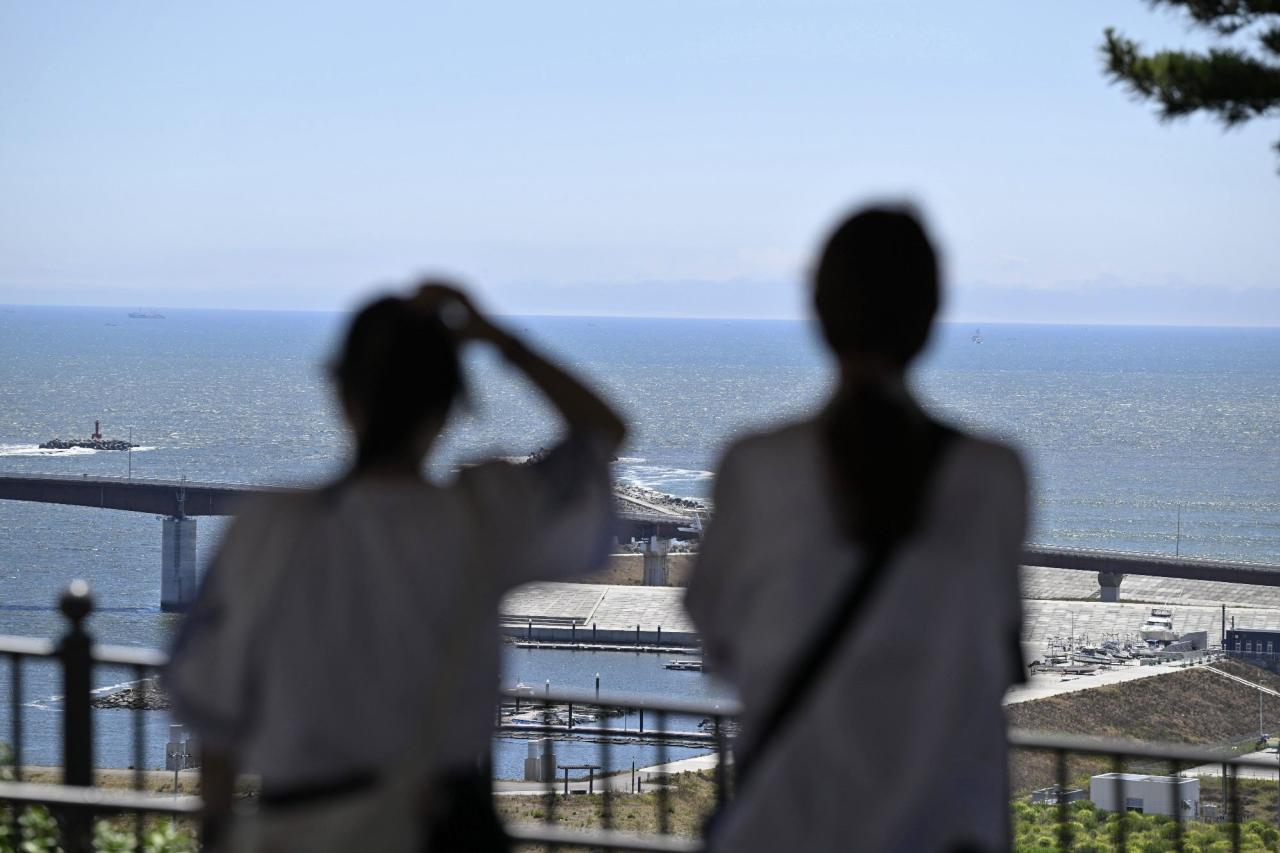
Japan also issued warnings after the earthquake, with the Japan Meteorological Agency predicting tsunamis as high as 10 feet along its Pacific coast. Millions of people were advised to evacuate, but the actual waves that arrived were much smaller—mostly around a foot high or less. Japanese authorities emphasized that it can take time to confirm whether a tsunami threat has passed, citing past events like the 2010 Chile earthquake and the 2011 Tohoku earthquake, which resulted in thousands of deaths.
While the immediate danger passed, the event highlighted the importance of preparedness and communication in the face of natural disasters. Communities across the Pacific remained vigilant, ensuring that safety measures were in place for any potential future threats.

Post a Comment for "Tsunami Waves Hit U.S. Following Major Russia Earthquake and Pacific Evacuations"
Post a Comment