Tsunami Alerts Persist Across South America After 8.8 Russia Quake: Live Updates
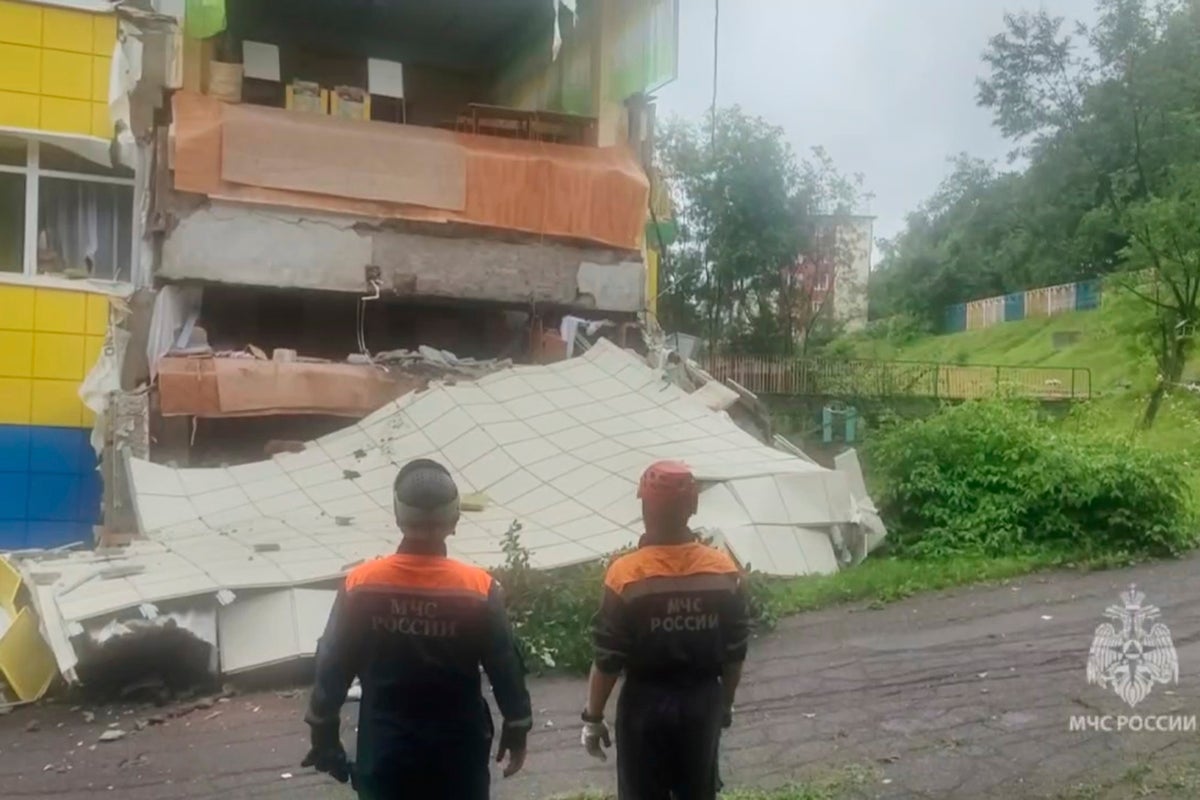
Overview of the Earthquake and Its Global Impact
An 8.8-magnitude earthquake struck off the coast of Russia's Kamchatka Peninsula in the early hours, triggering widespread tsunami warnings across the Pacific region. This event marked one of the most powerful earthquakes ever recorded, with seismic activity felt as far away as Hawaii, Japan, and parts of the U.S. west coast. While the initial fears of a devastating tsunami in the U.S. and Japan have subsided, new evacuation warnings have been issued along South America’s Pacific coast, highlighting the ongoing global impact of this natural disaster.
Evacuations and Warnings Across South America
Chile, Colombia, and Ecuador’s Galapagos Islands have seen significant evacuations and restrictions due to the threat of tsunamis. Chile’s President Gabriel Boric warned citizens that the first wave is often not the strongest, urging caution. Beaches and schools were closed, and maritime traffic was restricted. In Ecuador, classes were canceled in coastal communities, and in Colombia, beaches were completely evacuated. These measures reflect the high level of preparedness required in regions prone to such events.
Volcanic Activity Following the Earthquake
In addition to the earthquake, the Klyuchevskoy volcano on the Kamchatka Peninsula began erupting shortly after the tremor. Lava was observed flowing down its slopes, adding another layer of danger for nearby residents. The eruption was accompanied by strong glows and explosions, according to reports from the Russian Academy of Sciences' United Geophysical Service. This volcanic activity highlights the complex interplay between tectonic forces and geological hazards.
Effects on the U.S. and Japan
The U.S. and Japan were among the first to issue tsunami warnings following the earthquake. In Hawaii, evacuation orders were initially in place, but they were later lifted as the threat diminished. However, advisories remained in effect, and residents were advised to avoid coastal areas. In Japan, the situation was more severe, with waves reaching up to 3 meters in some areas. The Fukushima Daiichi nuclear plant, which had previously suffered damage from the 2011 earthquake and tsunami, took precautions, with workers evacuated to higher ground.
Travel Safety and Public Response
Travelers were advised to remain cautious as the situation unfolded. In Japan, officials warned of potential waves up to 4 meters, prompting evacuations in several coastal areas. In California, the National Weather Service reported waves of 3.6 feet, leading to beach closures and safety advisories. In Hawaii, residents were urged to stay away from the water due to strong currents, even as the immediate threat passed.
Medical Response Amid the Crisis
Amid the chaos, medical professionals demonstrated remarkable composure. In Petropavlovsk-Kamchatsky, a team of medics continued a surgery during the earthquake, using their hands to steady both the patient and equipment. Their actions were praised by local authorities, who emphasized the importance of maintaining calm during such emergencies.
Long-Term Impacts and Lessons Learned
The earthquake has underscored the need for robust emergency response systems and public awareness. Experts like Professor Ilan Kelman from UCL have emphasized that the first tsunami wave is often not the most dangerous, warning that subsequent waves can be far more destructive. This lesson was evident in the 2004 Indian Ocean tsunami, where many lives were lost due to people returning to the shore after the initial wave.
Ongoing Monitoring and Preparedness
Authorities continue to monitor the situation closely, with additional waves expected in the coming hours. In French Polynesia, the High Commission of the Republic reported that wave heights were lower than initially feared, but residents were still advised to remain cautious. Similarly, in British Columbia, a tsunami advisory was issued, warning of strong currents and unpredictable surges.
Conclusion
The 8.8-magnitude earthquake off the coast of Russia has had a profound impact on the Pacific region, triggering evacuations, warnings, and ongoing monitoring. While the immediate threat has passed in some areas, the long-term implications of this natural disaster will require continued vigilance and preparedness. As the world continues to grapple with the effects of such events, the importance of international cooperation and effective emergency management becomes increasingly clear.

Post a Comment for "Tsunami Alerts Persist Across South America After 8.8 Russia Quake: Live Updates"
Post a Comment