Trump's Tough Tone Now vs. Worse Chaos in 1968 Washington
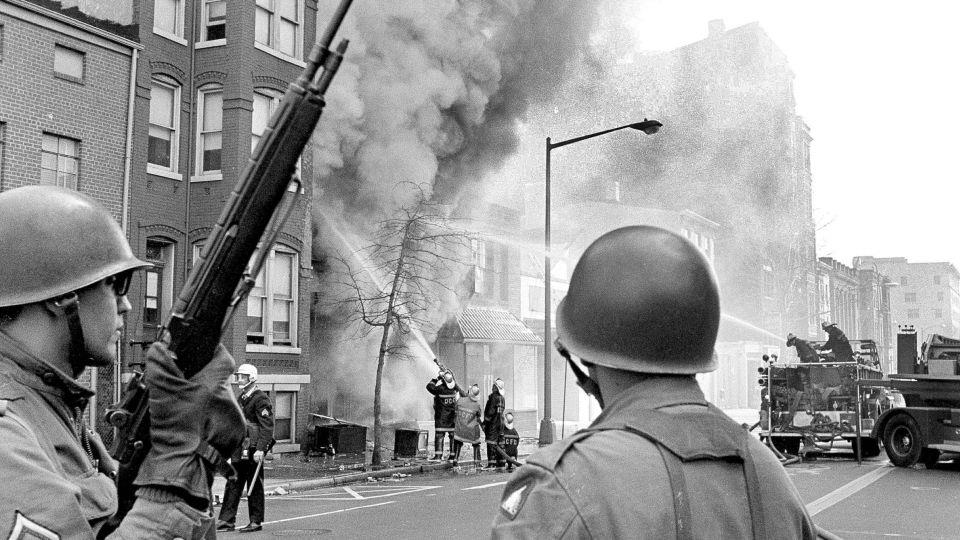
A Contrast in Crisis: Washington, DC’s Past and Present
The streets of Washington, DC, are currently under a federal military presence, with 800 National Guard troops deployed to the city. This move has been framed by President Donald Trump as a necessary response to an escalating crisis of lawlessness and violence. However, the situation on the ground appears far less dramatic than the president’s rhetoric suggests.
The Current Scene in Washington, DC
While the administration has announced several arrests this week, many of them related to immigration offenses, the actual conditions in the city do not align with the description of “violent gangs” and “bloodthirsty criminals.” Instead, National Guard members have been seen near major landmarks, posing for selfies with tourists, and maintaining a relatively low-profile presence.
This is a stark contrast to the chaos that unfolded in 1968 during the riots following the assassination of civil rights leader Dr. Martin Luther King Jr. At that time, the city was engulfed in flames, with smoke and destruction visible across neighborhoods. The National Guard was mobilized alongside active-duty Army and Marine units to restore order, marking one of the largest military deployments in the capital since the Civil War.
Historical Context: The 1968 Riots
The assassination of Dr. King sent shockwaves through the nation, particularly in Washington, DC, which had the highest percentage of Black residents among major U.S. cities at the time. Paul Delaney, a journalist at the time, recalled how anger over the killing led to spontaneous protests that quickly turned into widespread looting and destruction.
“Groups of protestors formed on 14th Street near Pitts Motel,” Delaney said. “They began marching to U Street and began breaking windows, looting, etc.” The unrest spread rapidly, leading to the burning of businesses and the devastation of neighborhoods like Shaw.
By the weekend, more than 13,000 soldiers were deployed to control the situation. The National Guard, along with federal forces, worked to quell the violence, which lasted four days and resulted in over 6,000 arrests and 13 deaths.
Disputes Over the Current Deployment
Local officials and residents are questioning the necessity of the current deployment. Mayor Muriel Bowser criticized the administration’s portrayal of the city as dangerous and lawless, stating, “We don’t live in a dirty city. We don’t have neighborhoods that should be bulldozed.”
Violent crime in Washington has actually been declining since spiking in 2023, according to Metropolitan Police Department records. Councilmember Charles Allen also challenged the administration’s narrative, saying it does not reflect the reality on the ground.
Legal and Political Challenges
President Trump’s decision to federalize the National Guard in Washington, DC, has raised legal questions. While the president has the authority to deploy the Guard in the District, he cannot extend the 30-day takeover without congressional approval or a national emergency declaration.
The District’s attorney general, Brian Schwalb, has filed a lawsuit against the administration, arguing that the president overstepped his authority by attempting to install an “emergency commissioner” in the Metropolitan Police Department.
Lessons from the Past
The 1968 riots left a lasting impact on the city, with neighborhoods like Shaw suffering extensive damage. However, decades of redevelopment and gentrification have transformed these areas into vibrant communities filled with shops, restaurants, and cultural institutions.
For historians like John DeFerrari, who was 10 years old during the riots, the current deployment feels unnecessary. “I think many Washingtonians think this is quite unnecessary,” he said.
Conclusion
The contrast between the current situation and the events of 1968 highlights the importance of accurate representation and measured responses to urban crises. While the federal government has the authority to intervene in Washington, DC, the necessity and proportionality of such actions remain subjects of debate. As the city continues to evolve, so too must the approaches taken to address its challenges.

Post a Comment for "Trump's Tough Tone Now vs. Worse Chaos in 1968 Washington"
Post a Comment