Trump's Prayer Order Sparks Outrage as Watchdogs Warn of Religion Overreach
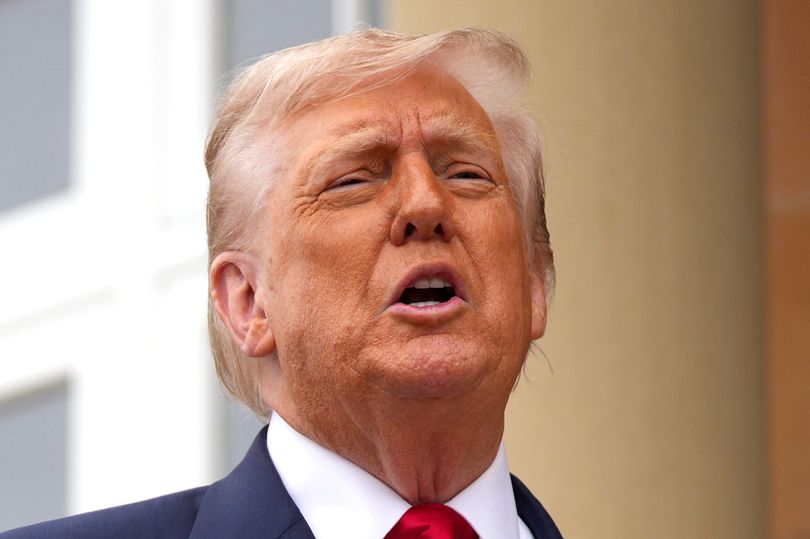
New Guidelines Spark Concerns Over Church-State Separation
The recent introduction of new guidelines by the second Donald Trump administration has raised significant concerns among groups that advocate for the separation of church and state. These guidelines, issued by the Office of Personnel Management, have sparked a debate over how religion should be integrated into the federal workplace.
Under the new guidelines, public employees are now permitted to pray and openly discuss religion. This includes the ability to "persuade others of the correctness of their own religious views," although they are not allowed to endorse a specific faith. The policy also allows supervisors to encourage workers to engage in expressions of faith, including prayer. Scott Kupor, who commented on the policy, emphasized that "Federal employees should never have to choose between their faith and their career."
This guidance is intended to ensure that the federal workplace is not only compliant with the law but also welcoming to Americans of all faiths. According to Kupor, under President Trump’s leadership, the administration is working to restore constitutional freedoms and make government a place where people of faith are respected rather than sidelined.
Historical Context and Similarities
The language used in the new guidelines closely mirrors a memo issued by the Clinton administration in 1997. That memo stated: "The following Guidelines, addressing religious exercise and religious expression, shall apply to all civilian executive branch agencies, officials, and employees in the Federal workplace." It also noted that these guidelines primarily address employees' religious exercise and expression when acting in their personal capacity within the federal workplace, without regular exposure to the public.
However, the 1997 memo did not comprehensively address whether and when the government and its employees could engage in religious speech directed at the public. Despite these similarities, many advocates remain concerned about the implications of the new guidelines.
Concerns from Advocates
Mikey Weinstein, president and founder of the Military Religious Freedom Foundation, expressed worry about the potential impact of the policy. He questioned what would happen if a supervisor decided to emphasize the importance of a particular version of Christianity. "What do you think your chances are for advancement?" he asked.
Weinstein argued that the memo conflicts with the Constitution and workers' rights. Others shared similar concerns, questioning the potential for discrimination against other religions. One person wrote, "What could possibly go wrong? He's not thinking things through again." Another raised concerns about whether the policy would include fundamentalist Muslims, Jews, atheists, and Rastafarians.
Some critics pointed out that the memo is not a change in law and does not hold the same weight as an Executive Order. They questioned its legal standing and the potential for misuse.
Perspectives from Supporters
On the other hand, Andrew Walker, associate dean at the Southern Baptist Theological Seminary, believes that Trump’s new policy simply “resets” the rules. He stated, "I have no problem with it whatsoever." Walker argued that the policy reaffirms the First Amendment, emphasizing that it includes proper caveats if individuals are not engaging in harassing behavior.
"To me, that’s simply reaffirming the First Amendment, that has proper caveats if you’re not engaging in harassing behavior," he said. "I think this is just reiterating basic principles of the First Amendment."
Expanding Religious Influence
This latest move by the Trump administration is part of a broader effort to embrace religion more openly in government. Shortly after taking office, Trump established the White House Faith Office. This office, run by State Department employees, is designed to report on anti-Christian bias from colleagues.
As the debate continues, the implications of these policies for the separation of church and state remain a topic of intense discussion. While some see the guidelines as a restoration of constitutional freedoms, others fear they may lead to the marginalization of non-Christian beliefs and create an environment where religious expression is prioritized over secular neutrality.

Post a Comment for "Trump's Prayer Order Sparks Outrage as Watchdogs Warn of Religion Overreach"
Post a Comment