Trump's new import tariffs hit dozens of nations as trade war intensifies
New Global Tariffs Take Effect Under Trump's Trade Policies
On Thursday, sweeping new global tariffs imposed by former U.S. President Donald Trump officially took effect, marking a significant escalation in his ongoing trade war. The U.S. Customs and Border Protection agency began collecting the increased tariffs at 12:01 a.m., following weeks of anticipation and intense negotiations with major trading partners.
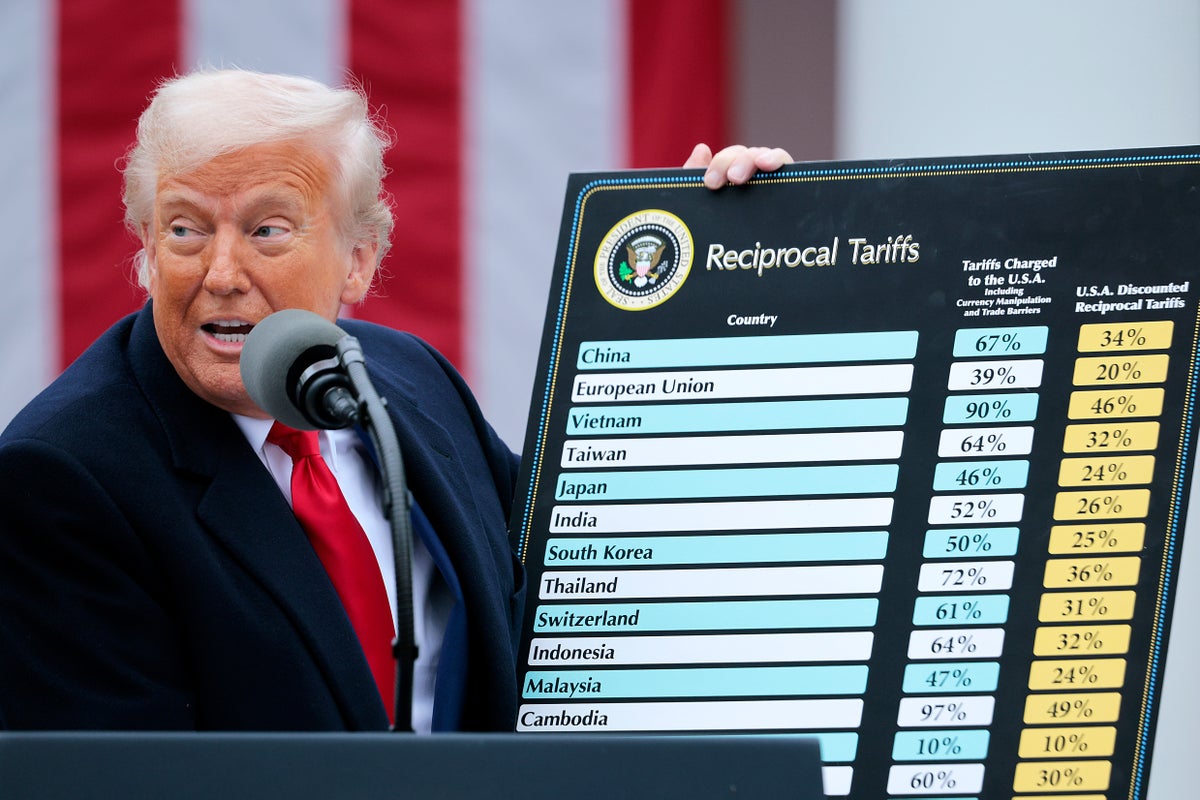
Prior to this, many countries had been subject to a baseline 10 percent import duty. However, Trump had paused higher rates that were initially announced in early April on what he referred to as “Liberation Day.” Since then, he has continuously adjusted his tariff plans, imposing much higher rates on several nations. For example, a 50 percent tariff is now applied to goods from Brazil, 39 percent from Switzerland, and 35 percent from Canada.
India is set to face a 50 percent tariff in 21 days, after Trump added an extra 25 percent this week due to India’s purchases of Russian oil. Additionally, potential tariffs of up to 200 percent on pharmaceutical imports and a 100 percent tax on computer chips may be introduced, according to Trump. Most U.S. imports of copper, steel, and aluminum are now also subject to a 50 percent duty.
Trump has claimed that these measures will bring in “billions of dollars” into the U.S., primarily from countries he believes have exploited the American market. He emphasized this point on his social media platform, Truth Social, stating, “THE ONLY THING THAT CAN STOP AMERICA'S GREATNESS WOULD BE A RADICAL LEFT COURT THAT WANTS TO SEE OUR COUNTRY FAIL!”
Several major trading partners, which account for around 40 percent of U.S. trade flows, have reached agreements and made concessions with Trump. The European Union, Japan, and South Korea have reduced their base tariff rates to 15 percent. The U.K. negotiated a 10 percent rate, while Vietnam, Indonesia, Pakistan, and the Philippines secured reductions to 19 or 20 percent.
Swiss officials have been actively visiting Washington this week to try to avoid a 39 percent tariff on U.S. imports of Swiss chocolate, watches, and other products. Countries facing stricter penalties are already experiencing the impact of these measures. South Africa, for instance, reported that the steep 30 percent rate on its exports of precious gems and metals has put 30,000 jobs at risk and forced the country to search for new markets outside the United States.
Despite the economic pressures, global financial markets reacted calmly to the tariff adjustments. Asian shares and U.S. futures remained largely unchanged. The tariffs announced on August 1 apply to 66 countries, Taiwan, and the Falkland Islands. These are a revised version of what Trump called “reciprocal tariffs,” first announced on April 2. This included import taxes of up to 50 percent on goods from countries with a trade surplus with the U.S., along with a 10 percent “baseline” tax on most others.
Some of the tariffs are being used to penalize nations that Trump has had issues with, even if the matters are unrelated to trade. For example, Brazil was hit with a 50 percent import tax largely due to Trump's dissatisfaction with how Brazil treated former President Jair Bolsonaro.
Trump has yet to announce whether he will extend a deadline set for August 12 for reaching a trade agreement with China, which would prevent earlier threats of tariffs of up to 245 percent. He has also indicated that additional tariffs could be imposed on China's purchases of Russian oil as part of efforts to pressure Moscow to end its war in Ukraine.
Treasury Secretary Scott Bessent mentioned that the president is considering another 90-day delay to allow time to finalize details of an agreement that would set tariffs on most products at 50 percent, including extra duties related to illicit trade in fentanyl.
Trump has specified that any goods found to have been trans-shipped from a third country to evade higher U.S. tariffs will be subject to an additional 40 percent import duty. However, the administration has provided few details on how these goods will be identified or enforced.

Post a Comment for "Trump's new import tariffs hit dozens of nations as trade war intensifies"
Post a Comment