Trump's new census may harm Texas' future
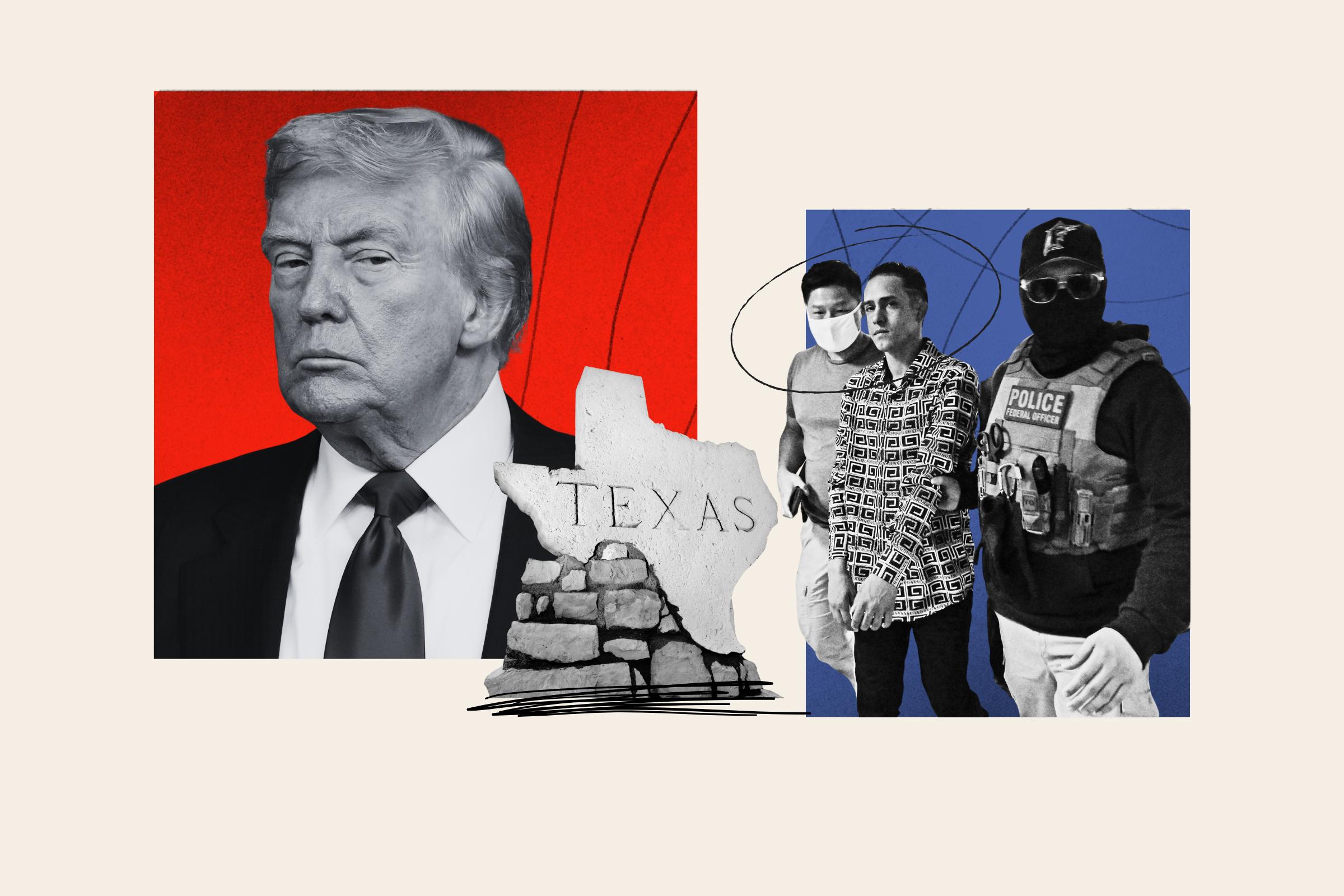
The Impact of a Proposed New National Census on Political Representation
The idea of conducting a new national census has been brought to the forefront by former President Donald Trump, who proposed excluding individuals living in the United States illegally from the count. This move could significantly affect the political power of states like Texas, reducing both their number of Electoral College votes and seats in the House of Representatives.
Why This Proposal Matters
The Trump administration's push for an early census, despite the next one being scheduled for 2030, has sparked considerable debate. Excluding undocumented immigrants from the census data would likely diminish the political representation of states with large illegal migrant populations, such as California and Texas. These states rely heavily on their total population figures to determine their congressional and electoral influence.
According to reports, the administration’s primary goal behind this proposal is to benefit Republicans politically. However, some experts remain skeptical about whether this strategy will actually yield the desired results.
Key Details About the Proposal
On August 7, Trump announced that he had directed the Department of Commerce to start work on a new national census that would exclude illegal migrants. The plan uses data from the 2024 presidential election as a baseline. This approach raises concerns because census data directly influences how many seats each state receives in the House of Representatives and how many Electoral College votes it gets during presidential elections.
If a state loses a significant portion of its population due to the exclusion of undocumented immigrants, its political influence could decrease substantially. In 2024, the Department of Homeland Security estimated that there were approximately 10.99 million people residing in the U.S. illegally. Among these, California had the largest population of undocumented immigrants, followed by Texas, Florida, and New Jersey.
Expert Opinions on the Implications
Joshua Blank, who leads the Texas Politics Project at the University of Texas at Austin, explained that a new census excluding undocumented immigrants would reduce Texas' population and thus its representation in the House of Representatives. He also pointed out that Texas did not actively promote census participation in 2020, which may have affected the accuracy of the count.
Blank noted that while the move might reduce Texas’ population for congressional districts, the actual impact could be less severe if the state had made a greater effort to ensure a complete count. He added that similar effects would likely apply to other states with large immigrant populations, such as California.
Legal Challenges and Constitutional Concerns
Trump’s proposal is expected to face legal challenges, as critics argue it violates the 14th Amendment, which mandates that the number of congressional representatives should be based on "the whole number of persons in each State." This constitutional provision has long been a cornerstone of census methodology.
Perspectives from Analysts and Officials
Gil Guerra, an immigration policy analyst at the Niskanen Center, emphasized the significance of census numbers for apportionment. He highlighted that states like California, Texas, and Florida have substantial undocumented populations that currently contribute to their congressional representation.
Robert Warren, a demographer at the Center for Migration Studies, suggested that the proposal would not shift enough House seats to make a meaningful difference. He noted that this trend has remained consistent over five consecutive censuses.
Trump himself expressed his support for the initiative on Truth Social, stating that the Department of Commerce would begin work on a new census using modern technology and data from the 2024 presidential election. He emphasized that individuals in the country illegally would not be counted.
A spokesperson for the Department of Commerce confirmed that the Census Bureau would adopt modern tools to enhance the accuracy of its data, focusing on legal residents.
What Comes Next?
If Trump proceeds with his plan, it is almost certain to trigger a major legal battle. Even if courts approve the initiative, experts agree that the overall political impact is difficult to predict. However, states with high numbers of undocumented immigrants, such as Texas, are likely to experience a reduction in influence.
This proposal highlights the complex relationship between census data, political representation, and immigration policy, raising important questions about fairness, accuracy, and constitutional rights.

Post a Comment for "Trump's new census may harm Texas' future"
Post a Comment