Trump's Name-Calling Gambit
The Tradition of Naming and Its Political Implications
Throughout history, the act of naming has been a powerful tool for asserting identity, ownership, and influence. This is especially true in the realm of politics, where names are not just labels but symbols of ideology and values. President Donald Trump, long before his presidency, had a deep connection to branding and naming, which became a defining feature of his political career.
As a businessman, Trump built a global brand around his name, associating it with luxury, success, and prestige. He used his name on properties, games, and even vodka, creating a recognizable and influential brand. This approach extended into his political life, where he continued to use naming as a way to shape public perception and reinforce his vision of America.
Historical Context of Naming
The tradition of renaming places to assert control or significance dates back centuries. Ancient figures like Alexander the Great famously named over 70 cities after himself, while European colonizers often renamed territories to reflect their own cultural or religious identities. These names often remained long after the original powers had faded, shaping the modern world's geography.
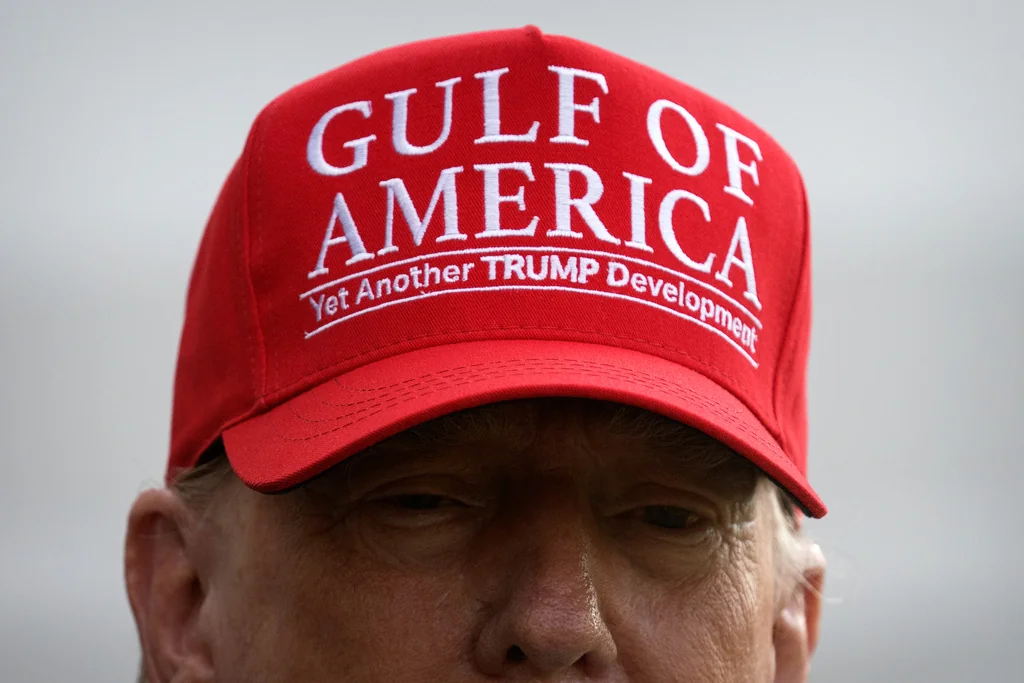
In more recent times, Trump’s efforts to rename places have drawn comparisons to these historical practices. His most notable and controversial move was the proposal to rename the Gulf of Mexico as the Gulf of America. This change was framed as a way to promote American pride and highlight the region’s economic importance. While the move was met with mixed reactions, it underscored the power of language in shaping national narratives.
Names as Political Statements
Political leaders have long used names to make statements about their policies and ideologies. In East Germany, for example, the Berlin Wall was officially called the "Anti-Fascist Protection Rampart," a term that helped justify its existence to the public. Similarly, Trump’s renaming of the Gulf of America aimed to reinforce a sense of American sovereignty and nationalism.
This kind of renaming can be seen as a form of soft propaganda, subtly influencing public perception. Those who adopt the new name may implicitly support the political message behind it. Trump’s supporters embraced the Gulf of America designation, while critics continued to use the original name, highlighting the divide in public opinion.
Domestic Renaming Battles
Renaming domestic locations has also become a contentious issue, reflecting broader ideological conflicts. In the United States, debates over the names of streets, monuments, and landmarks often center on historical memory and cultural values. Left-wing activists have pushed for changes that reflect Indigenous names or honor civil rights figures, while right-wing groups have resisted such moves, arguing that they distort historical narratives.
Trump aligned with the latter view, emphasizing the importance of preserving traditional names that reflect American heritage. His executive order renaming the Gulf of Mexico was part of this broader effort to celebrate American history and values.
Trump’s Renaming Efforts
One of Trump’s early renaming actions in his second term was the decision to rename Denali, the highest peak in North America, from its Indigenous name to Mount McKinley. This move was seen as an attempt to honor a former president and reinforce a traditional American narrative.
Trump also made a point of discussing these changes during his inaugural address, underscoring their significance. “We are going to be changing the name of the Gulf of Mexico to the Gulf of America,” he declared, signaling his commitment to reshaping the nation’s symbolic landscape.
His administration launched a broader renaming initiative, targeting what he considered “woke” names. One high-profile example was the renaming of Black Lives Matter Plaza in Washington, D.C., which had been a symbol of resistance against his policies. The plaza was eventually removed under pressure from Trump and his allies.
Reversing Previous Changes
Under the Biden administration, there was a push to remove the names of military bases that honored Confederate generals. However, Trump reversed some of these decisions, reinstating names like Fort Lee and Fort Hood. To avoid controversy, some of these names were associated with other military heroes who shared the same names, such as Fort Bragg, named after a World War II paratrooper.
The Legacy of Trump’s Naming Campaigns
Trump’s renaming efforts reflect a broader trend of using language to shape national identity. By rebranding places and symbols, he sought to reinforce a vision of America rooted in tradition and patriotism. While the longevity of these changes remains uncertain, they have already sparked significant debate and highlighted the power of naming in politics.
These initiatives demonstrate how deeply intertwined language and identity can be, and how political leaders can use naming as a tool to influence public perception and shape historical memory.

Post a Comment for "Trump's Name-Calling Gambit"
Post a Comment