Trump's Latest Bid to Scrap Key Climate Rules: Ignore the Science
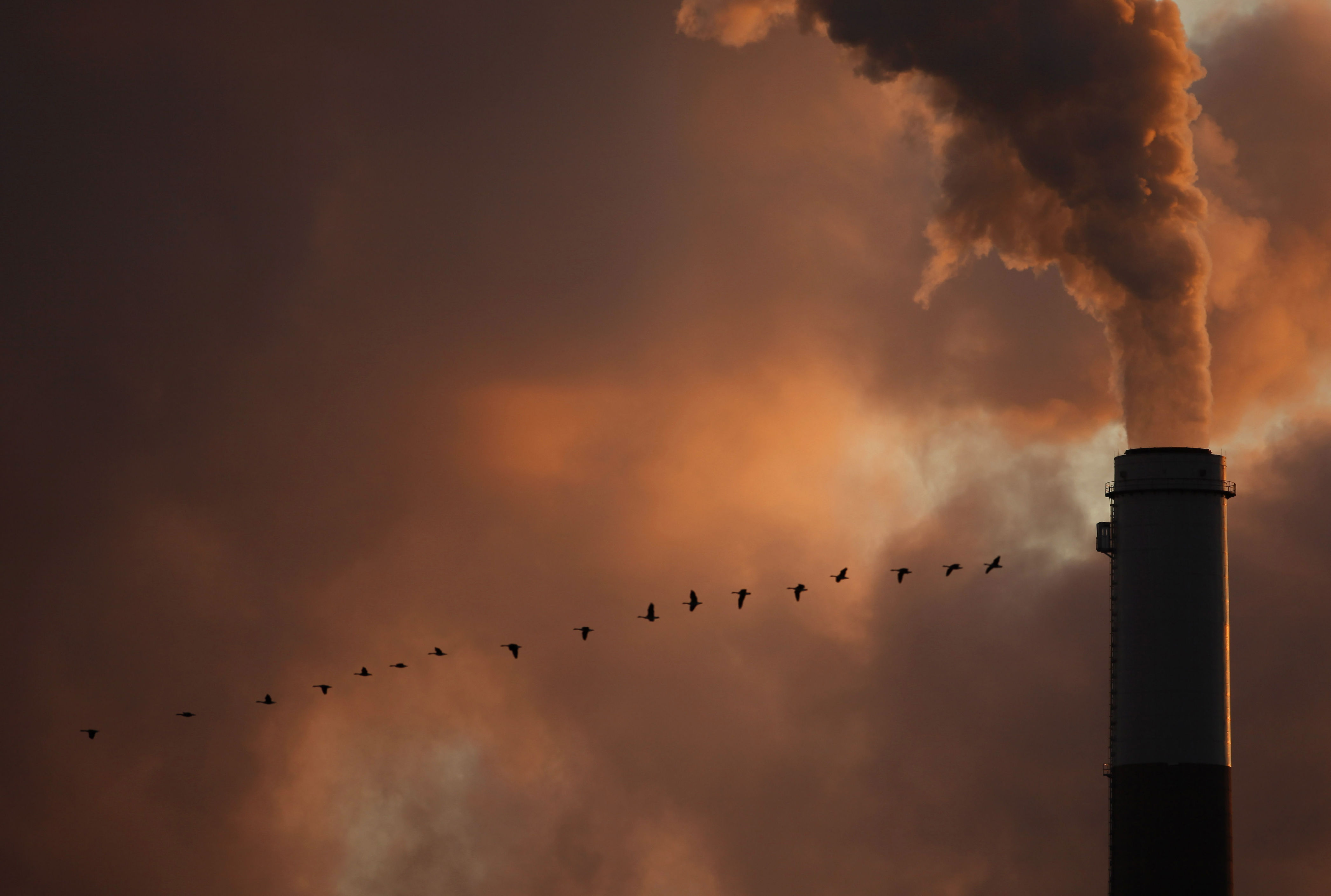
Trump Administration's Plan to Undermine Climate Regulations
The Trump administration is preparing to challenge the legal foundation of U.S. climate regulations by arguing that federal law does not require agencies to regulate greenhouse gas emissions. This move aims to weaken or eliminate existing limits on climate pollution, according to multiple sources familiar with the upcoming proposal.
Central to this effort is the Environmental Protection Agency (EPA), which is expected to unveil a plan to repeal the so-called "endangerment finding." This 2009 decision established that human emissions of carbon dioxide, methane, and other greenhouse gases pose a threat to public health and welfare. Rather than contesting the scientific consensus that fossil fuel use drives climate change, the administration is focusing on a legal argument rooted in a 2007 Supreme Court ruling. The court ruled that while the EPA has the authority to regulate greenhouse gases, it is not required to do so.
This strategy marks a shift from previous approaches, as the administration avoids directly disputing the science behind climate change. Instead, it will rely on the interpretation that the Supreme Court’s decision allowed but did not mandate regulation. If successful, this effort would represent one of the most significant steps taken by President Donald Trump to dismantle climate policies and advance his "energy dominance" agenda, which prioritizes expanding fossil fuel production.
The broader implications of this move are substantial. Alongside efforts to roll back vehicle tailpipe pollution rules and power plant emissions limits, the proposed changes could severely undermine U.S. efforts to curb global temperature rise. The United States has historically been the largest contributor to global warming, responsible for more than 1.3 degrees Celsius of temperature increase since the Industrial Revolution. It currently ranks as the second-largest polluter, after China.
EPA Administrator Lee Zeldin has become the public face of this initiative, referring to the endangerment finding as “the holy grail of the climate change religion.” However, he is not alone in shaping the proposal. The Office of Management and Budget (OMB) has played a central role in drafting the rule, according to Myron Ebell, who led the first Trump EPA transition team. The Justice Department has also contributed to the legal framework, emphasizing a legal rather than scientific rationale for the policy change.
This approach comes at a time when international pressure is mounting. The United Nations International Court of Justice recently ruled that climate change poses an “urgent and existential threat,” urging countries to cooperate to limit warming to 1.5 degrees above preindustrial levels. While the ruling is non-binding, it may influence future legal challenges. Additionally, the court stated that leaving the 2015 Paris Agreement does not exempt nations from their climate obligations.
Despite these challenges, Trump officials appear prepared to take the matter to court. By framing the issue as a legal question rather than a scientific one, the administration is shifting away from the strategy used under former EPA Administrator Scott Pruitt, who focused on challenging the scientific basis of climate regulations.
The EPA has sent its reconsideration proposal to the OMB for review, with plans to publish it for public comment once finalized. The White House referred inquiries to the EPA, while the OMB and Justice Department have not yet responded to requests for comment.
The legal basis for U.S. climate regulations stems from the 2007 Supreme Court case Massachusetts v. EPA, which affirmed the EPA’s authority to regulate greenhouse gases under the Clean Air Act. The court ruled that the agency could avoid regulation only if it proved that greenhouse gases do not contribute to climate change or provided a “reasonable explanation” for not issuing an endangerment finding.
Chief Justice John Roberts dissented in the original case, arguing that the risks of climate change were speculative. Since then, the Supreme Court has shifted to a 6-3 conservative majority, with three Trump-appointed justices. High-ranking Trump officials have been eager to test the court’s stance on climate policy.
OMB Director Russ Vought has spearheaded efforts to limit the influence of climate science on government decisions. In the Heritage Foundation’s Project 2025 blueprint, he argued that federal climate science restricts agency actions. Jeffrey Clark, who previously led the Justice Department’s environmental division, is now working at the OMB and has been instrumental in shaping the endangerment finding proposal.
Environmental groups have criticized the administration’s plan, calling it a favor to fossil fuel interests. Dan Becker of the Center for Biological Diversity stated that revoking the endangerment finding prioritizes “Big Oil over sound science and people’s health.” The move, they argue, would have lasting consequences for public health, wildlife, and future generations.

Post a Comment for "Trump's Latest Bid to Scrap Key Climate Rules: Ignore the Science"
Post a Comment