Trump's Jan. 6 Dismissals: Can They Block DOJ Prosecution of a Democrat?
The Legal Battle Over Political Prosecutions and the Shadow of January 6
President Donald Trump’s second term began with a controversial move that sparked widespread debate: the issuance of blanket pardons and dismissals for individuals charged in connection with the events of January 6. This decision raised questions about whether it effectively halted the prosecution of a Democratic figure before the process could even begin.
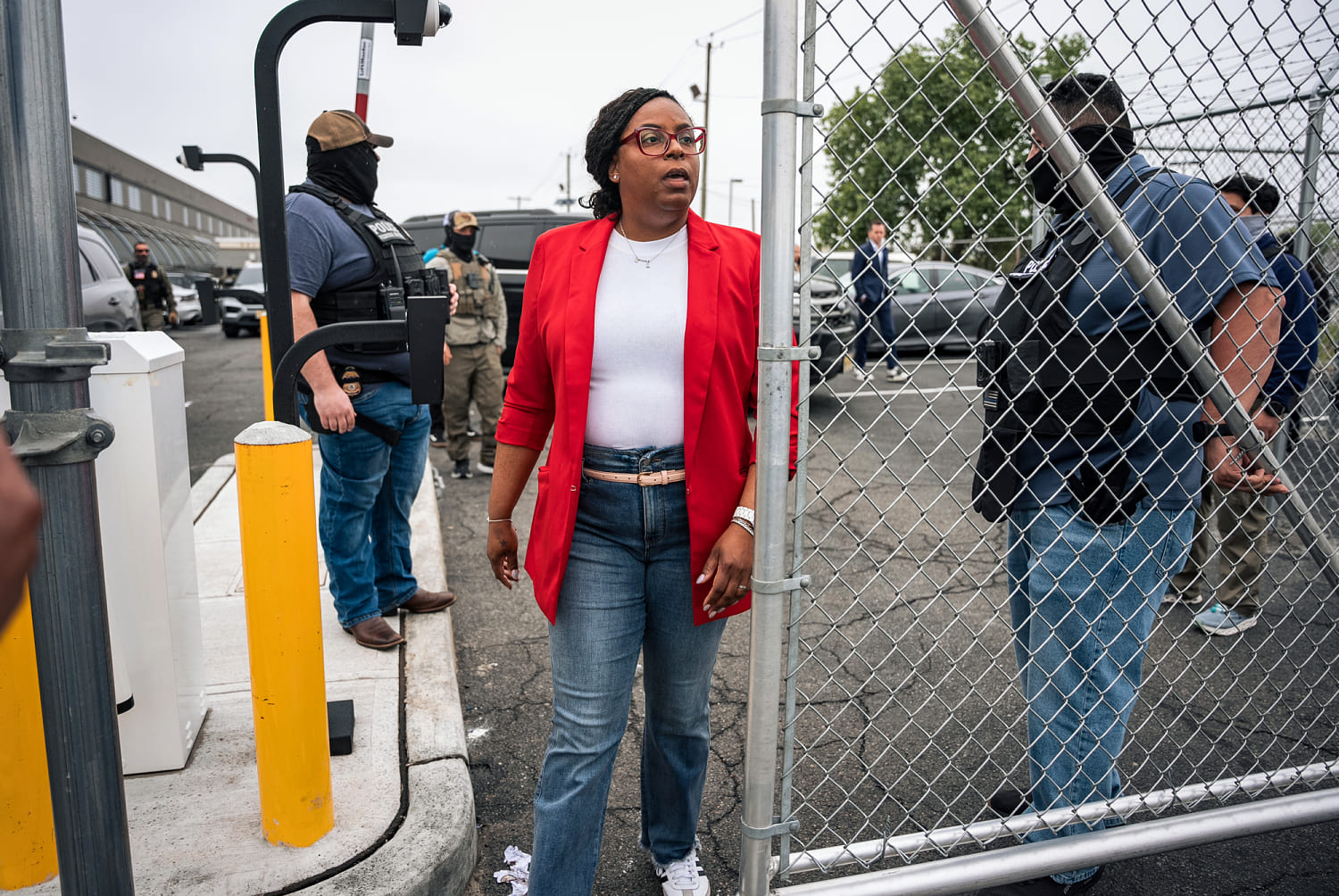
One such case involves U.S. Representative LaMonica McIver, a Democrat from New Jersey. She was charged in the spring with allegedly assaulting federal officers at an immigration facility in Newark during a congressional oversight visit. Her legal team has filed a motion to dismiss the case, arguing that the prosecution is selectively enforced and politically motivated. They contend that the Department of Justice’s decision to dismiss over 160 cases related to the January 6 attacks—many involving similar charges—demonstrates unconstitutional differential treatment.
McIver’s lawyers emphasized that her alleged actions were “manifestly less egregious” than those of the January 6 defendants, who were accused of storming the Capitol, throwing explosives, and using pepper spray against officers. They argue that the difference between her case and those dismissed by the DOJ lies solely in political affiliation. “This prosecution is all about politics and partisanship,” they wrote, calling the approach “precisely what the Constitution forbids.”
The filing serves as a reminder of the violence of January 6 and the administration’s focus on forgiving convictions and dismissing charges. However, the question remains: can these legal arguments actually lead to the dismissal of McIver’s case?
Navigating the High Bar of Selective Prosecution Claims
Winning a selective prosecution claim is an extremely high bar to clear. This was evident in Trump’s own federal Jan. 6 case, where the Department of Justice moved to dismiss the charges after he won the 2024 election, citing its policy against prosecuting sitting presidents. Before this dismissal, Trump had attempted to argue that he was being singled out for prosecution while others with similar conduct avoided charges. However, U.S. District Judge Tanya Chutkan rejected his argument, stating that he was not “similarly situated” to others.
McIver, who has pleaded not guilty, maintains that the DOJ cannot pursue charges against her simply because she is a Democrat conducting oversight of executive branch policies. She claims that the department is targeting her while dismissing charges against individuals with shared views who engaged in more severe conduct.
Her case does not hinge solely on this motion. She has also filed additional motions, including one based on legislative immunity. Her legal team argues that she was charged in connection with a “congressionally authorized oversight inspection,” and that the principles of legislative independence should protect her from prosecution.
Legislative Immunity and the Influence of Trump’s Legal Precedent
Legislative immunity differs from the presidential immunity that Trump secured in his Jan. 6 case. However, McIver’s lawyers are drawing on the precedent set in Trump v. United States, where the Supreme Court ruled in favor of presidential immunity based on separation of powers. They argue that the same rationale applies to legislative immunity, as it is designed to ensure the independence of Congress.
The outcomes of both the January 6 dismissals and the legal precedents set in Trump’s case are now playing a central role in McIver’s defense. As the DOJ prepares its responses to her motions, it will need to distinguish between these dismissals and the precedents to keep the case against her alive.
Comparisons to Other Cases and the Broader Implications
Notably, the same assault charge brought against McIver was also used against Sean Charles Dunn, who threw a sandwich at an officer in Washington, D.C., earlier this month. The administration’s effort to make an example of Dunn has drawn comparisons to the January 6 events and the apparent abandonment of its commitment to upholding law enforcement standards through dismissals and pardons.
While the outcomes of both McIver’s and Dunn’s cases remain uncertain, the legacy of January 6 continues to shape the legal landscape. Whether or not it provides a winning defense for critics of the administration, the events of that day will continue to influence ongoing legal battles and public perception.

Post a Comment for "Trump's Jan. 6 Dismissals: Can They Block DOJ Prosecution of a Democrat?"
Post a Comment