Trump's Homelessness Order Sparks Divided Responses
Colorado's Mixed Reactions to Trump’s New Executive Order on Homelessness
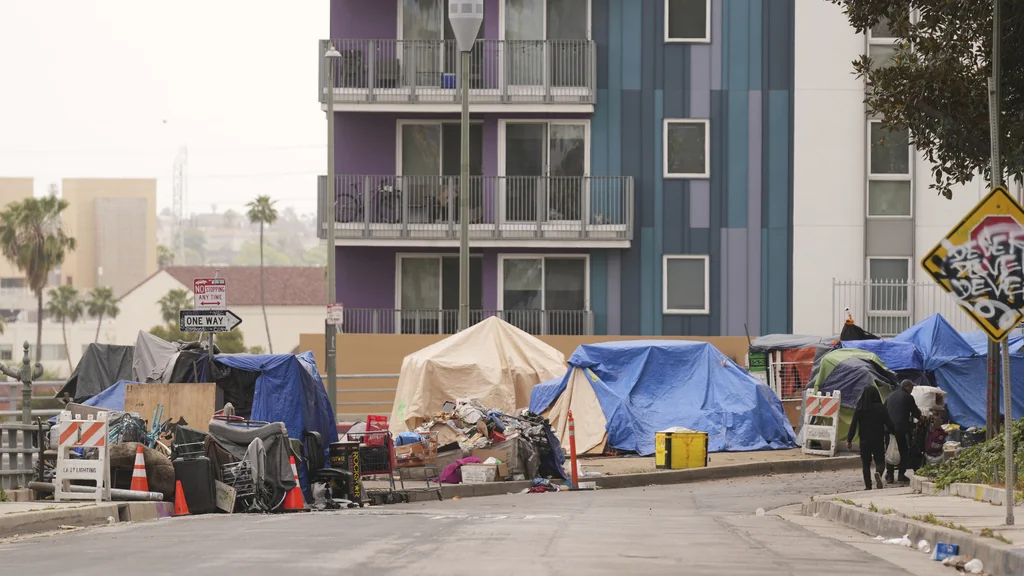
President Donald Trump’s recent executive order, titled “Ending Crime and Disorder on America’s Streets,” has sparked a range of responses from experts and policy groups in Colorado. The order marks a significant shift away from the traditional “Housing First” approach to addressing homelessness, which prioritizes providing stable housing as the first step toward recovery. Instead, the new directive emphasizes enforcement, treatment, and stricter regulations.
The executive order states that homelessness is a growing public safety concern, with issues such as drug use, mental health challenges, and disorderly behavior contributing to unsafe conditions in urban areas. It highlights the need for a different strategy, citing that tens of billions of dollars have been spent on programs that fail to address the root causes of homelessness. According to the 2024 point-in-time count, there are now 274,224 homeless individuals across the U.S., the highest number ever recorded.
In Colorado, homelessness remains a pressing issue. While Denver recently celebrated a reduction in street homelessness, data shows that the total number of homeless individuals—including those in shelters—has continued to rise. In 2025, the metro area reported 10,774 homeless people, up from 9,977 in 2024 and a 46% increase since 2019. Denver Mayor Mike Johnston acknowledged the need for more action in his recent State of the City address, emphasizing affordable housing, ending homelessness, and revitalizing downtown.
The Colorado Coalition for the Homeless and Affordable Housing Challenges
The Colorado Coalition for the Homeless, a nonprofit based in Denver, stresses the importance of affordable housing in tackling the crisis. The state ranks as the 10th least affordable in the country, according to a recent report by the National Low Income Housing Coalition. Full-time workers would need to earn $36.79 per hour to afford a modest two-bedroom apartment at Fair Market Rent in Colorado.
This affordability gap underscores the complexity of the issue, with many arguing that simply providing housing without addressing underlying problems like addiction and mental health may not be sufficient.
Key Components of the Executive Order
The new executive order outlines several key changes:
- Institutional Treatment: It calls for moving homeless individuals into long-term institutional settings to address drug and mental health issues.
- Involuntary Commitment: It reasserts the right of states to impose involuntary commitment on individuals with mental illness who pose risks to themselves or others.
- Enforcement Measures: Prohibits open drug use, urban camping, loitering, and squatting.
- Funding Restrictions: Ends federal funding for drug injection sites and programs that allow illicit drug use or provide paraphernalia.
- Treatment Requirements: Prevents funding for housing assistance unless it includes participation in mental health or substance use treatment.
- Housing Segregation: Allows age or gender-specific housing and prevents sex offenders from being housed with children.
These measures are tied to federal grant funding from the Departments of Health and Human Services, Housing and Urban Development, and Transportation, requiring compliance from states and municipalities.
Diverging Perspectives on the Order
Cathy Alderman, chief communications and public policy officer for the Colorado Coalition for the Homeless, expressed disappointment with the order, calling it enforcement-driven and punitive. She argued that forced recovery rarely works and emphasized the importance of voluntary support and investment in housing vouchers and affordable housing development.
On the other hand, Dustin Zvonek, a homelessness policy fellow for the Common Sense Institute, supports the order, believing it opens the door for alternative approaches beyond Housing First. He suggests that programs focusing on treatment or work could now receive equal federal funding, allowing for a broader evaluation of what strategies are most effective.
Public sentiment in Denver also varies. Do Better Denver, a social media account documenting local issues, praised the order as a “no-nonsense fix” for problems like those seen in the city. However, advocates like Alderman caution against a return to criminalization, urging a more holistic approach.
Zvonek acknowledges that while the order is a positive first step, legislative action will be necessary to ensure its long-term success. He believes that sustained congressional support will be crucial in making these policies stick.

Post a Comment for "Trump's Homelessness Order Sparks Divided Responses"
Post a Comment