Trump's FBI Picks 'Have No Clue,' Former Employee Claims
A Former FBI Employee’s Critique of Leadership and Ideological Shifts
A former FBI employee has shared concerns about the leadership within the U.S. Department of Justice and the FBI, suggesting that some of President Donald Trump’s appointees lack the necessary expertise to lead effectively. According to a report, Michael Feinberg, who served as an assistant special agent in charge at the FBI’s field office in Norfolk, Virginia, left the agency after facing pressure due to his association with a former agent who had criticized the president.
Feinberg, a 15-year veteran of the bureau, decided to resign rather than face potential demotion or further scrutiny. His departure came after his boss informed him that he would not be promoted, citing his friendship with Peter Strzok, a former counterintelligence agent known for his critical views on the president. Strzok had been fired during Trump’s first term after texts were released showing his negative opinions about the president, particularly regarding his role in the 2016 investigation into Russian election interference.
The connection to Strzok was enough for the FBI to cancel Feinberg’s promotion, according to his account. He was told that he might be demoted and required to take a polygraph test related to his friendship. Rather than face these consequences, Feinberg chose to leave the FBI.
In his resignation letter, Feinberg expressed deep love for his country and its Constitution, stating that it pains him that he can no longer serve as a part of the agency. He has since spoken out publicly, encouraged by former colleagues who are also concerned about possible repercussions from their superiors.
In an essay published by Lawfare, Feinberg argued that the FBI is increasingly focused on “ideological purity” and the politicization of its workforce, which he believes makes the agency less effective and less safe. He joined the FBI in 2009 with the goal of protecting U.S. interests and upholding the rule of law. Feinberg speaks Mandarin and played a key role in the FBI’s investigation into Huawei, a Chinese technology company accused of stealing trade secrets from U.S. firms.
After leaving the FBI, Feinberg is unsure if any senior counterintelligence officials still speak Chinese, which worries him given his long-term focus on combating the Chinese Communist Party and its influence. He has expressed concern over the shifting priorities within the FBI, noting that resources are being diverted away from serious threats like foreign intelligence services to focus on minor immigration issues.
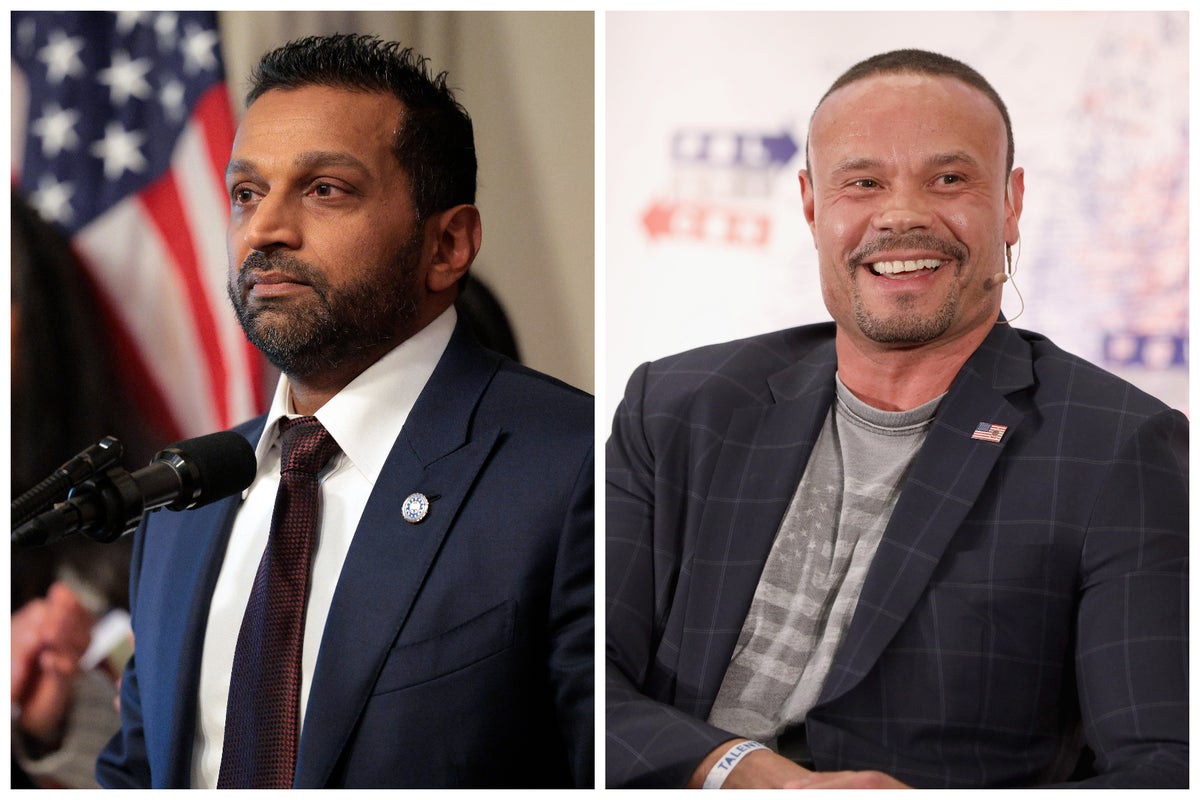
Feinberg also criticized the handling of the Jeffrey Epstein scandal, which recently involved FBI Deputy Director Dan Bongino and FBI Director Kash Patel. They initially suggested that significant revelations about Epstein and his connections to powerful individuals would be made. However, the Trump administration released a memo denying claims that Epstein had a client list and dismissed conspiracy theories surrounding his death in a Manhattan jail cell in 2019.
When asked about the Epstein scandal, Feinberg told The Atlantic that those in power “get a kick out of playing dress-up and acting tough. But they actually have no idea what they’re doing.”
Feinberg’s insights highlight growing concerns within the FBI about the impact of political pressures and ideological shifts on the agency’s effectiveness and mission. As the bureau continues to navigate complex challenges, the voices of former employees like Feinberg offer important perspectives on the evolving landscape of U.S. law enforcement.

Post a Comment for "Trump's FBI Picks 'Have No Clue,' Former Employee Claims"
Post a Comment