Trump's EU Trade Deal Revealed
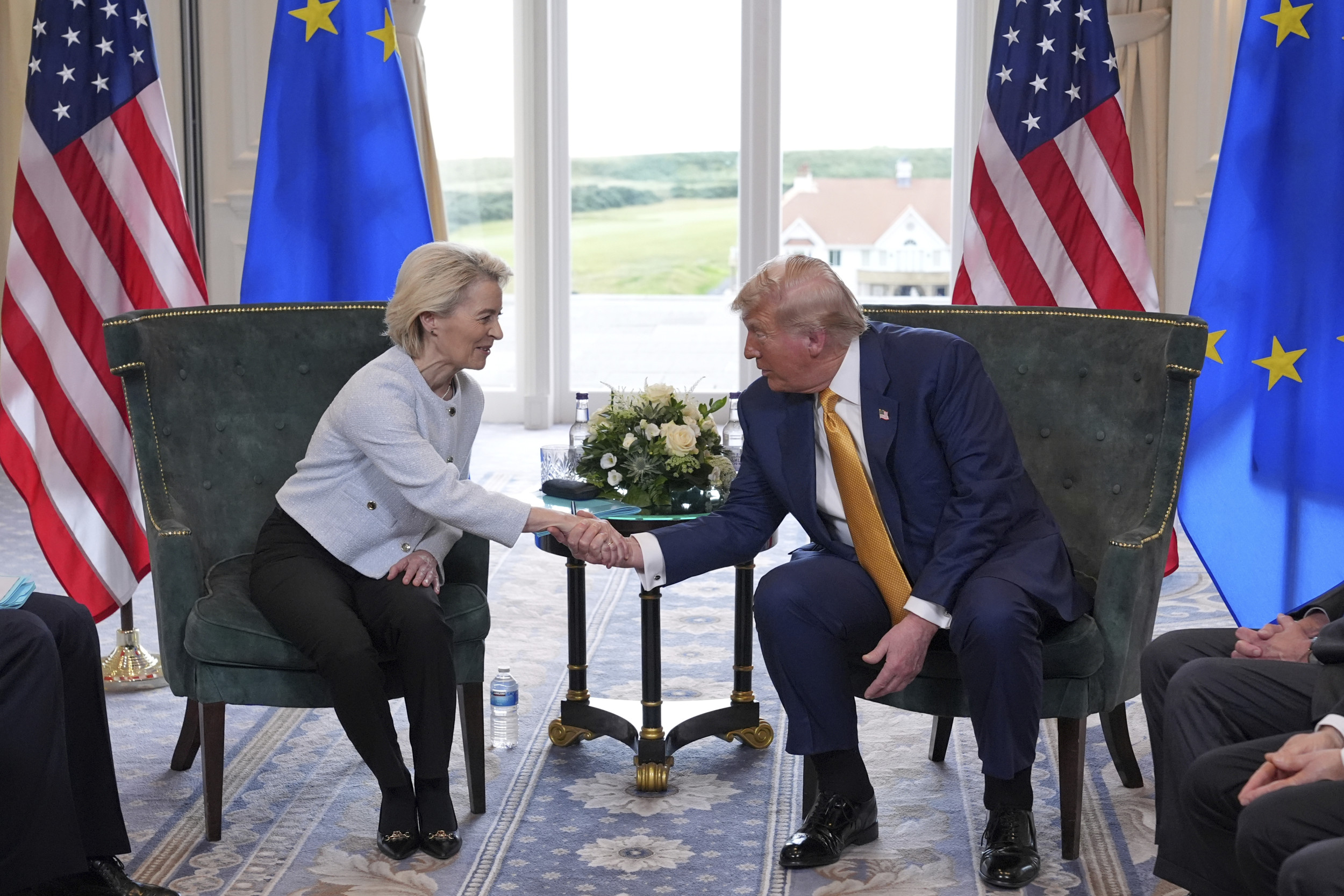
A Major Trade Agreement Between the U.S. and EU
After months of intense negotiations, the European Union (EU) and the United States have reached a significant trade deal that promises to ease tensions and reduce potential trade barriers between the two economic powerhouses. The agreement includes reduced tariffs in exchange for substantial purchases and investments from the EU. President Donald Trump highlighted the deal as "the biggest deal ever made," following a meeting with European Commission President Ursula von der Leyen.
Why This Deal Matters
The deal is crucial for avoiding a prolonged trade standoff and preventing a potential trans-Atlantic trade war. It addresses growing concerns in the world's largest bilateral trading relationship, which was valued at nearly $1 trillion last year. The announcement comes after weeks of back-and-forth discussions and periodic reports of stalled negotiations. For the administration, this deal marks a major achievement as it aims to finalize as many agreements as possible before the August 1 deadline.
Former Commerce Secretary Wilbur Ross noted that this could have been one of the most challenging deals to finalize due to the complexity of coordinating 27 EU member states on trade issues.
Key Terms of the New Deal
Following in-person negotiations between Trump and von der Leyen, the president outlined the terms of the new deal at his luxury golf course in Turnberry, Scotland. The EU has agreed to purchase $750 billion worth of U.S. energy products, including oil, gas, nuclear fuel, and semiconductors. Von der Leyen stated that this move will help diversify Europe’s supply sources and enhance its energy security.
Additionally, the deal involves a $600 billion investment by the EU in the U.S., primarily through purchases of American military equipment. In return, the U.S. will lower import taxes on most European products to 15 percent, significantly less than the 50-percent rate Trump had previously threatened in May.
This rate applies across various sectors, including cars, semiconductors, and pharmaceuticals. Von der Leyen emphasized that the 15 percent rate is a clear ceiling with no additional charges. However, Trump mentioned that the EU must "open up their countries" to more American exports as a condition of the deal.
The agreement also includes "zero-for-zero" tariffs on several goods, such as aircraft parts, certain chemicals, agricultural products, and critical raw materials. The EU plans to add more products to this list in the future. Despite these concessions, the 50-percent tariffs on steel and aluminum will remain unchanged, as Trump indicated they are part of a global policy.
Historical Context of EU Tariffs
Before Trump’s presidency, the U.S. and EU traded under the most-favored nation tariffs set by the World Trade Organization. According to analysis by Bruegel, the average tariff on European imports was around 1.4 percent prior to Trump taking office. His tariff announcements posed a risk of increasing this average to over 15 percent. Sector-specific tariffs were higher on agricultural products and certain vehicles.
Meanwhile, the EU reported that most U.S. exports faced little or no duty, with some products facing around a 1-percent tariff. However, higher charges applied to specific items, such as a 10-percent tariff on vehicles and 12-percent taxes on apparel.
Reactions to the Deal
European Commission President Ursula von der Leyen expressed optimism about the deal, stating that it brings predictability for businesses and ensures immediate tariff relief. She emphasized that the agreement would benefit both European companies and consumers while opening up new opportunities for American products in the EU market.
Chris Beauchamp, chief market analyst at IG, noted that this deal follows a pattern similar to the recent agreement with Japan, where the U.S. imposes tariffs while the other side commits to opening its markets. He suggested that the focus on trade issues may be waning, with Washington appearing to gain several "wins."
Robert Basedow, a professor at the London School of Economics, warned that the deal might not resolve all trans-Atlantic trade differences. He pointed out that Trump has a history of renegotiating agreements and may return with new demands. Basedow also highlighted that these deals are more political than legal, leaving room for interpretation.
What Comes Next?
Von der Leyen described the deal as a framework, noting that some details still need to be finalized. France 24 reported that the next steps will involve further discussions over the coming weeks. The agreement remains subject to approval by EU member states, with ambassadors set to meet for a debrief from the European Commission.
Basedow predicted that von der Leyen would face pushback from member states, businesses, and media, leading to internal political challenges within the EU.

Post a Comment for "Trump's EU Trade Deal Revealed"
Post a Comment