Trump's EPA Targets Greenhouse Gas Regulations
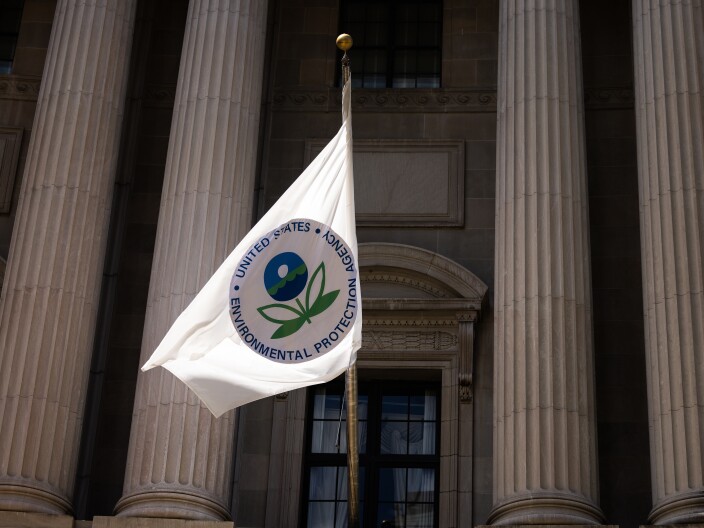
Trump Administration Proposes to Overturn Key Climate Regulation
The Trump administration has unveiled a plan to overturn a pivotal 2009 Environmental Protection Agency (EPA) decision that forms the foundation of many federal climate change mitigation efforts. This move aims to dismantle the agency's legal basis for regulating greenhouse gases, which have been central to U.S. environmental policy in recent years.
The EPA claims it lacks the legal authority to regulate emissions under the Clean Air Act. Specifically, the agency is seeking to eliminate what is known as the "endangerment finding." This determination, made by the Obama administration, concluded that pollutants such as methane and carbon dioxide from fossil fuel combustion pose a threat to public health and the environment. The finding has served as the cornerstone for numerous regulations targeting climate pollution.
In a statement released by the agency, EPA Administrator Lee Zeldin claimed that this proposal would bring clarity to automakers and consumers after 16 years of uncertainty. He emphasized that the move is part of a broader effort to reduce regulatory burdens on American businesses and consumers.
The proposed changes also include the removal of rules aimed at reducing climate pollution from cars and trucks. Transportation is currently the largest source of direct greenhouse gas emissions in the United States. Zeldin announced the plan at a car dealership in Indiana, but it remains a proposal for now. Climate advocates have already pledged to challenge the decision through public comments and, if necessary, in court.
A Response to Growing Climate Crises
This announcement comes amid a series of extreme weather events that have highlighted the urgency of climate action. The year 2023 was the hottest on record, with dangerous flooding affecting communities across the country. Climate-fueled wildfires devastated thousands of homes in Los Angeles, while warmer ocean temperatures intensified Hurricane Helene, increasing its potential for inland damage.
If the decision is finalized, it could accelerate President Trump’s efforts to roll back former President Biden’s climate initiatives. It may also make it more challenging for future administrations to address human-caused greenhouse gas emissions, which are driving global warming.
Historical Context of the Endangerment Finding
The endangerment finding was established following a landmark Supreme Court ruling in Massachusetts v. EPA in 2007. The Court determined that the EPA is required to regulate carbon dioxide and other greenhouse gas emissions under the Clean Air Act. In 2009, during the Obama administration, the EPA declared that these gases posed a hazard to public health.
This finding became the basis for regulations targeting climate pollution from coal and gas-fired power plants, vehicle exhaust, and methane emissions from the oil and gas industry. Despite repeated reaffirmations of the endangerment finding, the Trump administration has prioritized its reversal.
In 2022, Congress included language in the Inflation Reduction Act that classified greenhouse gases as pollutants under the Clean Air Act. This makes it more difficult for the EPA to abandon the finding. However, President Trump has continued to push for its elimination, signing an executive order on his first day in office that asked the EPA administrator to submit recommendations on the legality of the endangerment finding.
This move aligns with the Heritage Foundation's Project 2025, a conservative initiative aimed at limiting the government's ability to regulate climate pollution.
Legal and Political Arguments
The Trump administration argues that the EPA, under then-President Barack Obama, established the endangerment finding in a "flawed and unorthodox way" and did not strictly adhere to the Clean Air Act. The agency claims that previous administrators overstepped their legal authority and imposed significant costs on Americans.
The EPA also references past Supreme Court decisions that question the legality of the 2009 endangerment finding. These arguments are part of a broader strategy to limit the EPA’s regulatory power.
The U.S. is the largest historical emitter of man-made climate pollution and had committed to the 2015 Paris climate agreement. However, Trump has directed the U.S. to withdraw from the accord.
Reactions from Advocacy Groups
Climate advocacy groups have strongly criticized the proposed changes. Dan Becker of the Center for Biological Diversity stated that the move reflects a disregard for scientific evidence and public health. He called the decision “cynical” and warned that it would hinder efforts to reduce auto pollution.
Christy Goldfuss of the Natural Resources Defense Council emphasized that the EPA’s actions prioritize corporate interests over science and public welfare. She vowed that her organization would challenge the decision in court if necessary.
The Trump administration has long supported deregulation, with Trump himself suggesting in 2024 that oil executives should contribute $1 billion to his presidential bid in exchange for rolling back environmental rules. This stance underscores the administration’s commitment to reducing federal oversight of the energy sector.

Post a Comment for "Trump's EPA Targets Greenhouse Gas Regulations"
Post a Comment