Trump's EPA Seeks to Remove Greenhouse Gas Rules
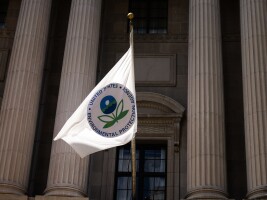
The Trump Administration's Plan to Challenge Key Climate Regulations
The Trump administration has unveiled a plan to reverse a significant 2009 Environmental Protection Agency (EPA) decision that has been central to federal efforts to address climate change. This move targets the "endangerment finding," which established that greenhouse gases, such as methane and carbon dioxide, pose a threat to public health and the environment. The EPA claims it lacks the legal authority to regulate these pollutants under the Clean Air Act.
In a statement released by the agency, EPA administrator Lee Zeldin emphasized that the proposal aims to reduce uncertainty for automakers and consumers. He described the move as a step toward easing regulatory burdens on American businesses and families. However, this announcement is still in the form of a proposal and is not yet finalized.
Impact on Transportation Emissions
One of the key aspects of the proposed changes includes eliminating rules designed to reduce climate pollution from cars and trucks. As the largest source of direct greenhouse gas emissions in the United States, transportation plays a critical role in the nation’s climate strategy. The administration's focus on this sector reflects its broader agenda to roll back environmental regulations that it views as economically burdensome.
Despite the proposal being just an initial step, climate advocates have already pledged to challenge the decision. They plan to do so through public comments during the rulemaking process and, if necessary, through legal action. Critics argue that the move undermines scientific consensus and puts public health at risk.
Response from Climate Advocates
Christy Goldfuss, executive director of the Natural Resources Defense Council, criticized the administration’s stance, stating that it ignores the growing threats posed by extreme weather events. She pointed to recent deadly floods, heat waves, and wildfires as evidence of the urgent need for climate action. Goldfuss argued that the administration’s approach is not only scientifically unfounded but also dangerous for the nation’s safety and welfare.
The timing of the proposal coincides with a series of alarming climate-related events. 2023 was the hottest year on record, with dangerous flooding affecting communities across the U.S. Climate-fueled wildfires devastated thousands of homes in Los Angeles, while hotter ocean temperatures contributed to the strength of Hurricane Helene.
Historical Context of the Endangerment Finding
The endangerment finding, established in 2009, is a cornerstone of U.S. climate action. It originated from a 2007 Supreme Court ruling in Massachusetts v. EPA, which determined that the EPA is required to regulate carbon dioxide and other greenhouse gas emissions under the Clean Air Act. Following this, the Obama administration declared that greenhouse gases posed a hazard to public health.
This finding has served as the basis for numerous regulations, including those targeting emissions from coal and gas-fired power plants, car and truck exhaust, and methane from the oil and gas industry. Despite repeated reaffirmations of the finding, the Trump administration has made its reversal a priority.
Legal and Political Implications
The Trump administration argues that the EPA, under President Barack Obama, established the endangerment finding in a flawed manner and did not adhere strictly to the Clean Air Act. The agency’s legal argument centers on the claim that previous administrators overstepped their authority and imposed significant costs on American citizens.
This position aligns with recommendations outlined in the Heritage Foundation’s Project 2025, a conservative policy initiative aimed at limiting the government’s ability to regulate climate pollution. In March, Zeldin announced the EPA’s intention to eliminate the endangerment finding, calling it the “most consequential day of deregulation in U.S. history.”
Broader Implications for Climate Policy
If the decision is upheld, it could significantly hinder future administrations’ efforts to combat human-caused greenhouse gas pollution. The U.S., as the largest historical emitter of man-made climate pollution, has committed to reducing emissions under the 2015 Paris climate agreement. However, the Trump administration has taken steps to withdraw from this international effort.
Critics argue that the administration’s actions prioritize the interests of industries like Big Oil over scientific evidence and public health. Dan Becker of the Center for Biological Diversity described the move as a “cynical one-two punch” that threatens progress on climate action.
Conclusion
As the debate over the endangerment finding continues, the outcome will have far-reaching implications for U.S. climate policy and environmental regulation. With climate advocates preparing to challenge the proposal, the coming months will be critical in determining the future of federal efforts to address the climate crisis.

Post a Comment for "Trump's EPA Seeks to Remove Greenhouse Gas Rules"
Post a Comment