Trump's EPA Aims to Eliminate Key Climate Regulation
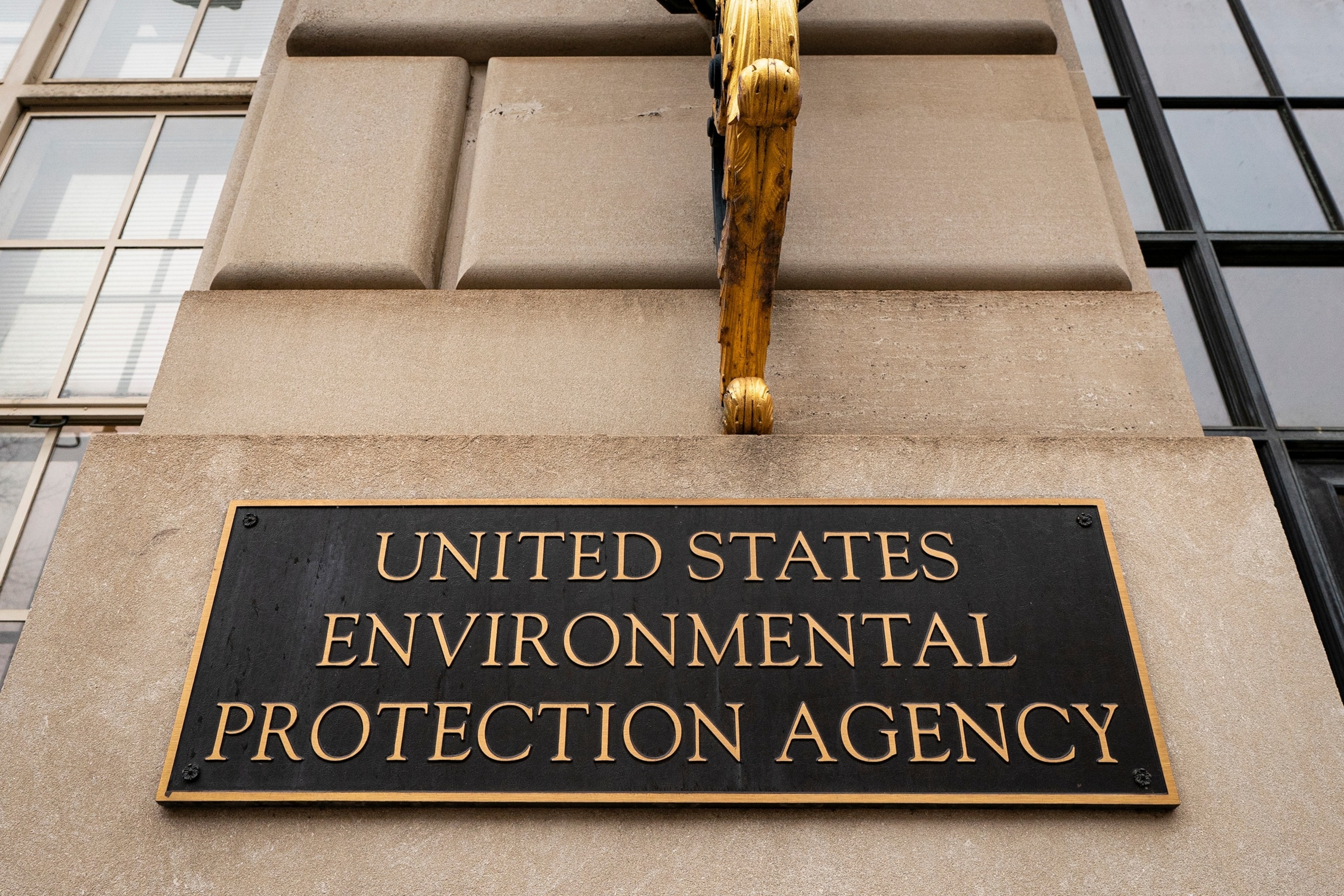
The EPA's Plan to Repeal the Endangerment Finding
The Environmental Protection Agency (EPA) has taken a significant step by announcing its intention to repeal a foundational environmental regulation known as the "endangerment finding." This decision, made in 2009, declared that greenhouse gases, including carbon dioxide, methane, and hydrofluorocarbons, pose a threat to public health and welfare. The ruling was based on extensive scientific analysis and over 380,000 public comments.
EPA Administrator Lee Zeldin, appointed by former President Donald Trump, argued that the agency lacks the legal authority to regulate greenhouse gases under the Clean Air Act. He claimed that the original endangerment finding was based on outdated or inaccurate predictions about climate science. At an event in Indiana, Zeldin emphasized that the proposed repeal would be the largest deregulatory action in U.S. history.
This move comes amid growing concerns from environmental groups and scientists who believe that repealing the endangerment finding could undermine efforts to combat climate change. They argue that the decision lacks both scientific and legal support, potentially leading to increased greenhouse gas emissions and more severe climate impacts.
Legal and Scientific Foundations of the Endangerment Finding
The endangerment finding originated from the 2007 Supreme Court case Massachusetts v. EPA. In this landmark ruling, the court determined that the EPA had the authority to regulate greenhouse gases under the Clean Air Act, as they are considered air pollutants. This decision became the legal basis for numerous federal regulations targeting emissions from vehicles, power plants, and other sources.
Zeldin stated that if the repeal is finalized, it could save $54 billion annually in costs. However, he also noted that if Congress wanted to amend the Clean Air Act to include greenhouse gases, the EPA would be able to regulate them accordingly. Additionally, Zeldin announced plans to repeal all greenhouse gas emissions regulations related to light, medium, and heavy-duty vehicles.
The transportation sector is the largest source of direct greenhouse gas emissions in the United States. In 2024, the EPA estimated that the 2027 vehicle standards could avoid 7.2 billion tons of CO2 emissions through 2055, equivalent to four times the transportation sector’s 2021 emissions. These standards were also projected to save drivers around $6,000 in fuel and maintenance costs over the life of their vehicles.
Criticism and Concerns from Environmental Groups
Environmental organizations have strongly criticized the EPA's plan, calling it a dangerous step backward in the fight against climate change. The Sierra Club, for example, stated that it is exploring legal options, including litigation, to challenge the decision. Loren Blackford, the Sierra Club’s acting executive director, described the move as formalizing climate denial as official policy.
Mike Gerrard, an environmental lawyer at Columbia University, said the EPA’s decision is part of a broader effort by the Trump administration to eliminate climate change regulations. He noted that while the short-term impact may be limited, the long-term consequences could be severe. Gerrard also predicted that lawsuits will likely follow, with the case possibly reaching the Supreme Court.
Joe Goffman, a former EPA official, warned that the goal of the repeal is to create a binding legal outcome that would prevent future regulation of greenhouse gases under the Clean Air Act. He emphasized that the courts have previously rejected similar challenges to the endangerment finding, suggesting that the current proposal may face similar scrutiny.
The Science of Climate Change and Public Health
In the years since the endangerment finding was first established, the scientific understanding of how greenhouse gases affect human health has only grown stronger. A 2021 study published in Nature Climate Change found that 37% of heat-related deaths between 1991 and 2018 were linked to human-driven climate change.
The Fifth National Climate Assessment, a comprehensive report on climate change impacts in the U.S., highlights that climate change is making it harder to maintain safe homes, healthy families, and strong communities. It underscores the need for continued regulatory efforts to address these growing risks.
Public Comment and Legal Challenges
The public will have the opportunity to provide feedback on the proposed rule before it becomes final. While the EPA’s decision may be delayed by legal challenges, previous attempts to overturn the endangerment finding have been unsuccessful. Courts have consistently upheld the legal foundation of the ruling, indicating that the current proposal may face similar resistance.
As the debate over the future of climate regulation continues, the outcome of this proposal could have lasting implications for environmental policy in the United States.

Post a Comment for "Trump's EPA Aims to Eliminate Key Climate Regulation"
Post a Comment