Trump's Citizenship Ban Unconstitutional, Appeals Court Rules
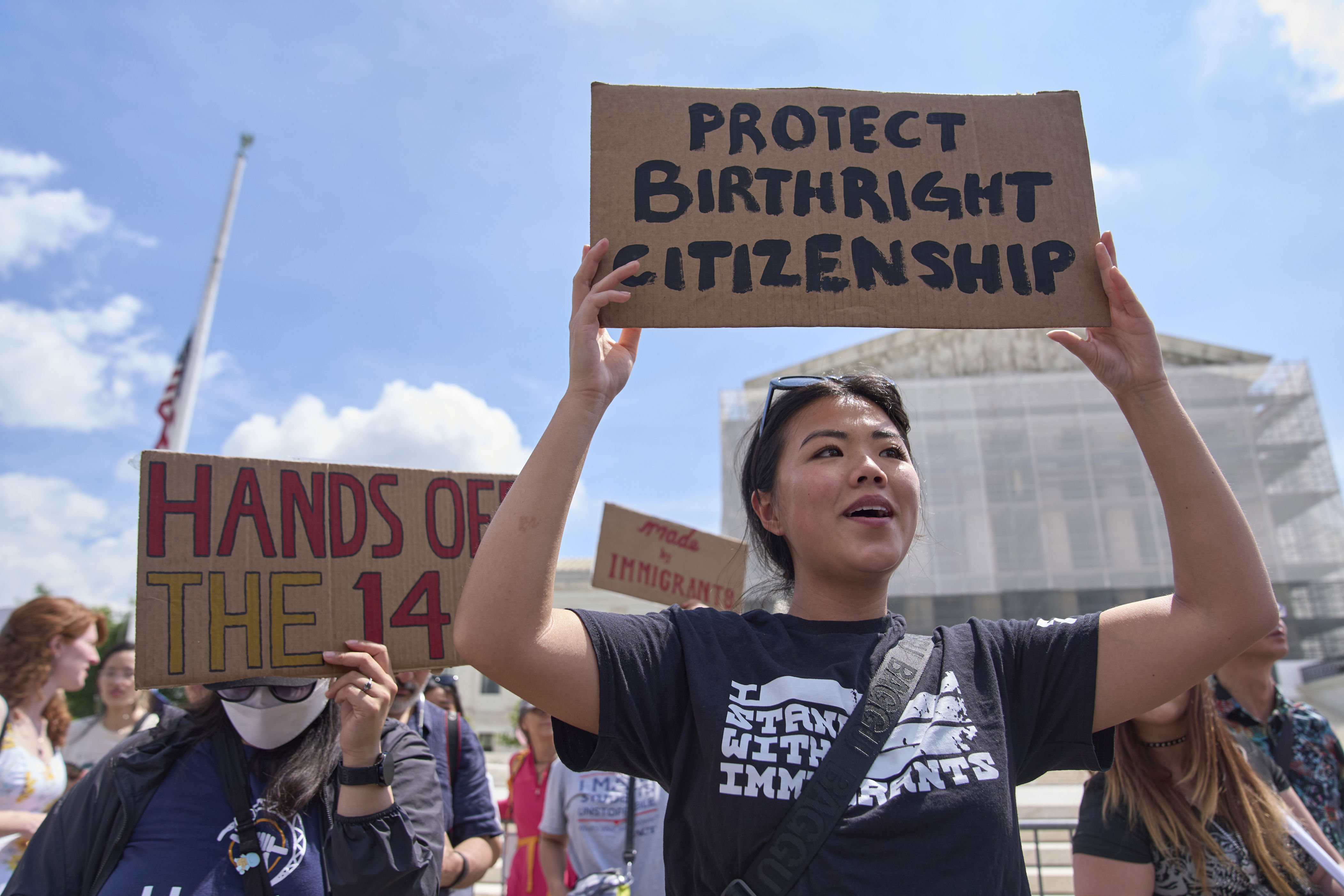
The Legal Battle Over Birthright Citizenship
A recent ruling by a federal appeals court has dealt another blow to the Trump administration’s efforts to end birthright citizenship in the United States. The decision, issued by a three-judge panel of the U.S. Court of Appeals for the 9th Circuit, declared that President Donald Trump’s executive order to deny automatic citizenship to children born in the U.S. to undocumented immigrants and temporary foreign visitors is unconstitutional. This ruling upholds a nationwide ban on the implementation of the controversial policy.
The 2-1 decision focused on the citizenship clause of the 14th Amendment, which guarantees citizenship to anyone born or naturalized in the United States. The majority opinion, written by Judge Ronald M. Gould and joined by Judge Michael Daly Hawkins, emphasized that the executive order’s proposed interpretation of this clause violates constitutional protections. Judge Patrick J. Bumatay, a Trump appointee, dissented in part, arguing against the ruling.
The court also affirmed a lower court’s nationwide injunction against the executive order, stating that it was necessary to prevent potential harm to states if the policy were to take effect. The case was initially brought by a coalition of Democratic-led states, with the first hearing taking place in a district court in Seattle. The decision came despite a recent U.S. Supreme Court ruling that supported the Trump administration’s position, allowing the executive order to proceed under certain conditions.
Implications of the Ruling
The Supreme Court’s decision last month did not directly address the constitutionality of the birthright citizenship order but instead ruled that lower courts had overstepped their authority by issuing universal injunctions against it. However, the high court left room for future challenges, noting that nationwide injunctions could still be used in specific circumstances. This flexibility has led to ongoing legal battles over the scope and application of such rulings.
The 9th Circuit panel highlighted concerns about the impact on states if the nationwide injunction were narrowed. They argued that states would still face significant administrative challenges in determining citizenship if the policy were implemented, especially since families often move between states. This reasoning underscores the complexity of enforcing a policy that could affect millions of people across different jurisdictions.
In addition to the 9th Circuit’s decision, a federal judge in New Hampshire recently placed a new nationwide block on the Trump administration’s order. This action followed a request from civil rights groups to certify a class-action challenge against the policy on behalf of U.S.-born children or future children who might be affected if the order takes effect.
Ongoing Legal Challenges
The 9th Circuit’s ruling means that two nationwide injunctions are currently in effect, signaling that the case could soon return to the Supreme Court for further review. The justices will need to determine whether the lower courts’ decisions align with their own ruling on the use of injunctions. This development highlights the ongoing legal uncertainty surrounding the executive order and its potential impact on immigration policy in the U.S.
Washington state Attorney General Nick Brown, one of the states involved in the lawsuit, praised the 9th Circuit’s decision on social media. He stated that the court recognized the importance of protecting the rights of children born in the country, emphasizing that the president cannot unilaterally redefine what it means to be American.
Broader Impact on Immigration Policy
The debate over birthright citizenship has long been a contentious issue in U.S. politics. Supporters of the current policy argue that it ensures equal treatment for all individuals born in the country, regardless of their parents’ immigration status. Opponents, however, claim that it incentivizes illegal immigration and places an unfair burden on public resources.
As the legal battle continues, the outcome of these cases will have far-reaching implications for immigration policy and the interpretation of the 14th Amendment. The rulings reflect the complex interplay between executive power, judicial oversight, and constitutional rights, shaping the future of how citizenship is defined and protected in the United States.

Post a Comment for "Trump's Citizenship Ban Unconstitutional, Appeals Court Rules"
Post a Comment