Trump's Bold Plan to Overhaul DC Policing Could Reshape U.S. Cities
The Political Divide Over Trump's Actions in Washington, D.C.
President Donald Trump's recent efforts to assert control over Washington, D.C.'s law enforcement have sparked a heated debate across the political spectrum. On one side, critics from the left view these actions as part of a broader strategy toward autocracy, with some activists calling it "vindictive authoritarian rule." They argue that such measures are extreme and unnecessary, especially during what many consider to be relatively normal times in the capital city. On the other hand, supporters on the right see Trump’s moves as a bold step to dismantle the entrenched bureaucracy of Democratic urban governance and improve the quality of life in D.C.
The outcome of this debate could significantly influence how Washington, D.C. — a symbol of American history, achievement, and dysfunction — is governed in the future. Will it become a model for effective policing and city management under Trump’s vision, or will it suffer from the consequences of his interventions?
National Guard Deployment and Federal Control
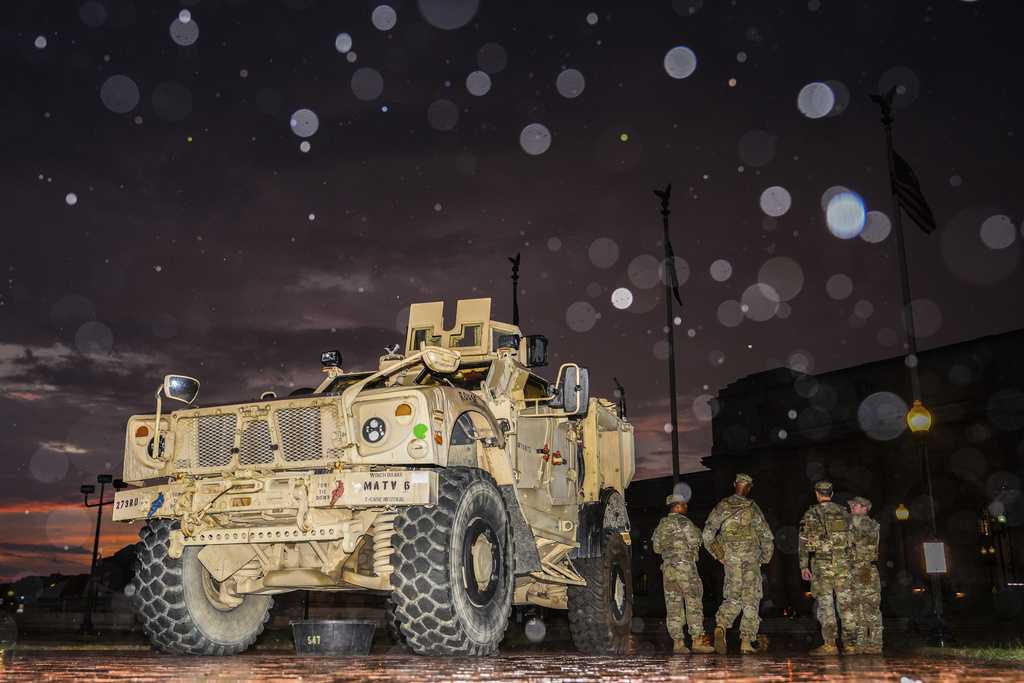
Under the banner of his “Making D.C. Safe and Beautiful Task Force,” Trump deployed approximately 800 National Guard troops to the streets of Washington, D.C., declaring that the city had been overrun by violent gangs and criminals. He also criticized the city’s cleanliness, stating, “If our capital is dirty, our whole country is dirty, and they don’t respect us.”
In addition, Trump sought to take direct control of the Metropolitan Police Department and appointed an emergency chief, which led to immediate backlash from local officials. Police Chief Pamela Smith described the move as a threat to law and order, saying, “I have never seen a single government action that would cause a greater threat to law and order than this dangerous directive.”
A federal judge later urged both sides to find a compromise, leading to a partial retreat from Trump’s plan. The Justice Department agreed to leave Smith in place but continued to push for cooperation with federal immigration enforcement, regardless of local laws.
A Historical Context
While the U.S. military has been deployed in American cities before, it has typically been in response to riots or major disasters like the 9/11 attacks. Trump’s use of force was based on an emergency he perceived, which many local officials and residents did not share. His approach has often relied on the language of emergency to justify various policies, including deportations, tariffs, and short-term National Guard deployments.
Washington, D.C. faces its own challenges, including crime and homelessness, but there was no widespread crisis that justified the level of intervention. In fact, violent crime has decreased in the city, as it has in many parts of the country.
A City of Contrasts
Washington, D.C. is a unique city that blends historic landmarks with modern urban life. It serves as a federal theme park, attracting millions of visitors each year, while also being home to neighborhoods that range from affluent areas to economically depressed zones plagued by crime and drug activity.
Despite its challenges, the city has experienced growth over the past three decades, with an increase in population and wealth. However, it remains a place where many Americans feel a sense of ownership and connection, making it a focal point for national discourse.
Reactions from Leaders and Activists
Philadelphia District Attorney Larry Krasner, a Democrat, criticized Trump’s actions, questioning whether the president was genuinely responding to an emergency or using it as a pretext to justify more aggressive tactics. Similarly, activists from the group Not Above the Law condemned what they saw as a dangerous escalation of power grabs by Trump.
Meanwhile, some local leaders, like the head of the D.C. Police Union, supported Trump’s intervention, though they emphasized that it should not become permanent. They argued that crime is out of control and that police officers are stretched thin.
Legislative Implications
The Home Rule Act allows a president to invoke emergency powers over the police department for 30 days, after which Congress must decide whether to extend the period. Trump’s attempt to use this provision has drawn interest from some Republicans in Congress, who are considering giving the president even more authority.
Rep. Andy Ogles of Tennessee proposed a resolution to eliminate the time limit on federal control, arguing that it would allow the president to "crush lawlessness, restore order, and reclaim our capital once and for all."
The Broader Question
As the situation in Washington, D.C. unfolds, a larger question remains: If Trump’s approach is successful in the district, what might that mean for other American cities? Could this serve as a template for federal intervention elsewhere, and where might the limits be?

Post a Comment for "Trump's Bold Plan to Overhaul DC Policing Could Reshape U.S. Cities"
Post a Comment