Trump's Big Japan Deal Sparks U.S. Auto Woes
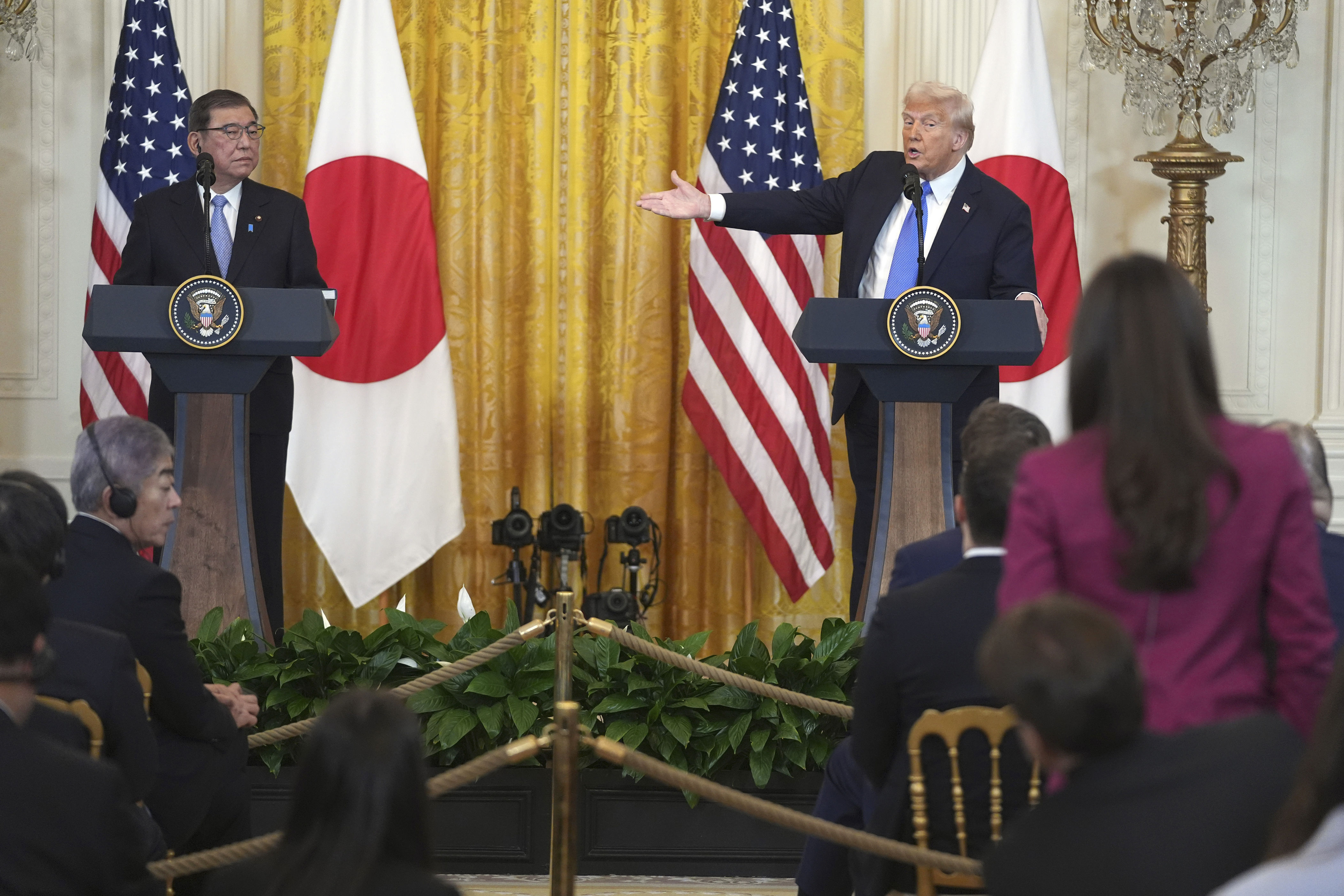
The U.S.-Japan Trade Deal and Its Impact on the Auto Industry
President Donald Trump’s trade policies have sparked significant debate, particularly with regard to the auto industry. His “massive” trade deal with Japan is now causing ripples across the American automotive sector. While the agreement appears to be a win for foreign carmakers, it has raised concerns among American automakers who believe they are at a disadvantage.
Trump imposed a 25 percent tariff on all foreign auto manufacturers in early April, which also affects cars made by U.S. companies using parts imported from Mexico and Canada. However, the president is now planning to lower this tariff to 15 percent specifically for Japanese autos and auto parts. This move could result in some U.S.-made vehicles facing higher duties than those manufactured entirely overseas.
The new deal with Japan suggests a potential path forward for reducing auto tariffs, an issue that has complicated trade talks with other major partners like the European Union and South Korea. This development has caused concern among U.S. automakers and workers, who fear it could harm domestic industry due to the complex North American supply chain.
Matt Blunt, president of the American Automotive Policy Council, expressed his concerns about the deal, stating that any agreement that charges a lower tariff for Japanese imports with minimal U.S. content than North American-built vehicles with high U.S. content is detrimental to the U.S. industry and its workers.
Treasury Secretary Scott Bessent credited the decision to lower Japan’s auto tariff rate to its offer of new investments, which he doubts other countries can replicate. However, one auto industry lobbyist suggested that Commerce Secretary Howard Lutnick has been exploring similar deals with the EU and South Korea, both of whom have substantial auto sectors. Four EU diplomats confirmed that the bloc is in discussions with the U.S. about a deal that would set a 15 percent baseline tariff on cars, mirroring the Japan accord.
The United Autoworkers labor union has criticized the deal, calling it an “abandonment of U.S. autos.” They argue that Japanese automakers have long exploited open access to the U.S. market while failing to support American workers. The union warned that if this becomes the blueprint for future trade deals, it will be a missed opportunity.
White House spokesperson Kush Desai defended the deal, emphasizing that President Trump has taken a strong interest in restoring the American auto industry's dominance. He noted that the administration is working closely with the auto industry to achieve this goal.
Despite these claims, domestic automakers have faced challenges due to the 25 percent duty, largely because of the integrated nature of the North American supply chain. U.S. companies rely heavily on Mexico and Canada for parts and production. To ease some of the pain, the White House has introduced a rebate scheme, but automakers are still struggling.
General Motors reported a $1 billion drop in second-quarter profits, partly due to the tariffs. Stellantis, which owns Chrysler and Jeep, expects to lose $2.7 billion in the first half of 2025. Tesla also experienced meager profitability and revenue, citing factors such as lower regulatory credit revenue and increased tariffs.
The impact of these tariffs extends beyond the U.S. Japanese car companies like Toyota and Honda saw their stock prices soar following the deal. Similarly, shares of South Korean and European carmakers rose, as hopes for similar agreements grew.
German auto companies, including Volkswagen, BMW, and Mercedes, have reported significant declines in U.S. exports. Volvo paused sales of some cars in the U.S., and South Korean companies Hyundai and Kia are expecting substantial losses from the tariffs.
As the U.S. continues negotiations with other countries, the focus remains on balancing trade interests while protecting domestic industries. The White House has assured American automakers that they won’t become a bargaining chip in other trade deals, though the situation remains fluid.
In Japan, Prime Minister Shigeru Ishiba celebrated the agreement, highlighting the focus on investment over tariffs. However, some experts believe Japan did not achieve its goals, as the 15 percent tariff still impacts Japanese goods significantly.
Overall, the U.S.-Japan trade deal highlights the complexities of international trade and the ongoing challenges faced by the global auto industry. As negotiations continue, the balance between economic interests and domestic protectionism will remain a central issue.

Post a Comment for "Trump's Big Japan Deal Sparks U.S. Auto Woes"
Post a Comment