Trump's Big Day: Live Updates from the White House
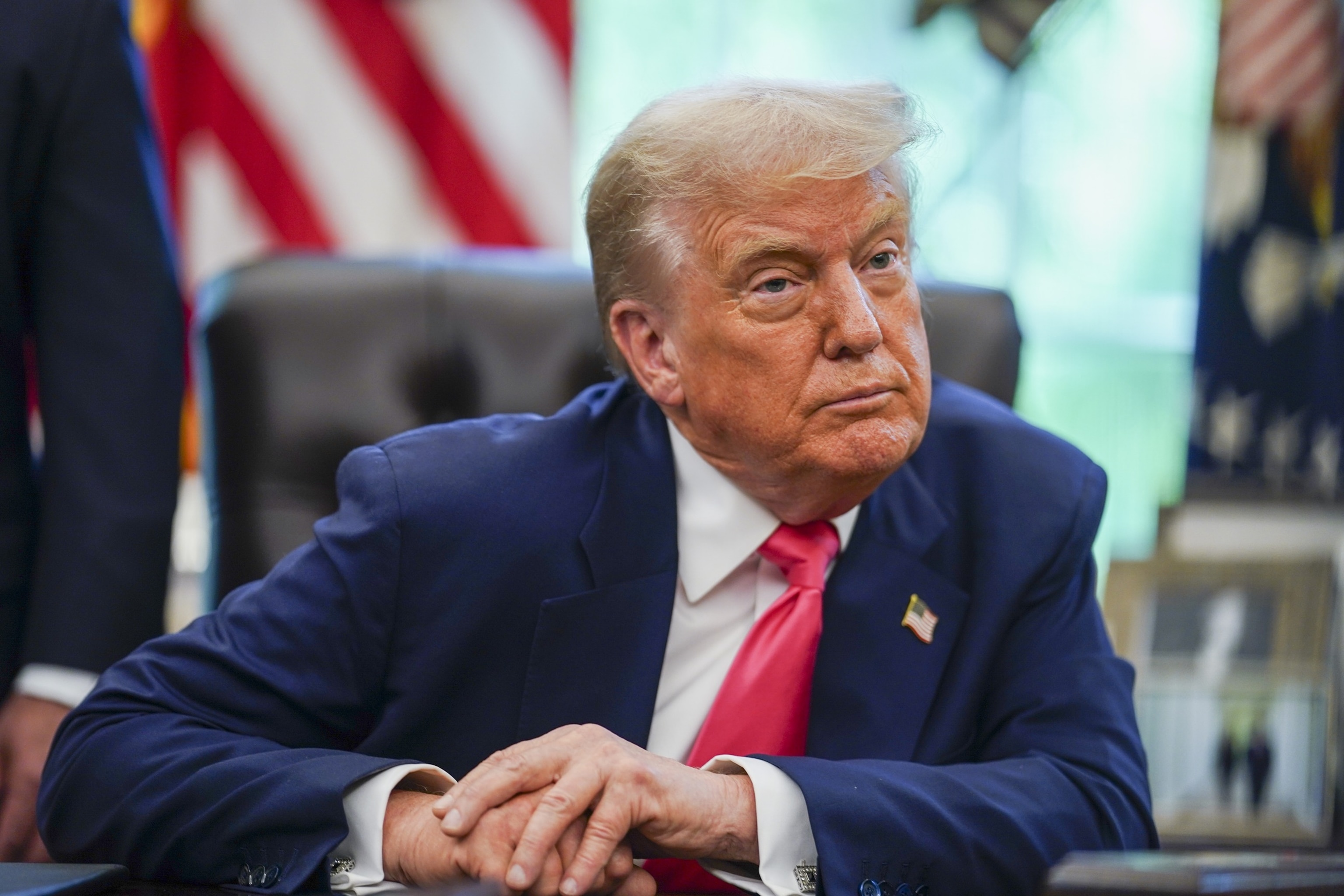
President Trump’s Crime Reduction Efforts in Washington, D.C.
After returning from Alaska following a high-stakes meeting with Russian President Vladimir Putin, President Donald Trump continues to push forward with his crime reduction initiatives in Washington, D.C. As part of this effort, the National Guard has been deployed to the city as part of a broader strategy to address violent crime and ensure public safety.
Legal Challenges and Revisions
On Friday, U.S. Attorney General Pam Bondi issued a revised directive that addressed concerns raised by local officials regarding her previous attempt to take over control of the Metropolitan Police Department (MPD). The original order had designated Drug Enforcement Administration head Terry Cole as the "Emergency Police Commissioner" of the MPD, but this was challenged legally by D.C. leaders. Following an emergency hearing, Judge Ana Reyes indicated that the administration's actions were unlawful, leading to a revision of the directive.
The revised directive now places Washington, D.C.'s Metropolitan Police Department Chief Pamela Smith back in charge of the city’s police force. Instead of being replaced by Cole, he will serve as a "designee" tasked with requesting assistance from the mayor for federal law enforcement needs. This change comes after the Justice Department agreed to scale back the original directive, acknowledging that it exceeded the federal government's authority under the Home Rule Act.
National Guard Deployment and Security Measures
The deployment of the National Guard to Washington, D.C., remains a central component of Trump’s plan to reduce crime. As of Sunday, the troops are currently unarmed, though officials have stated that this could change if new orders are issued. The number of National Guard members is expected to grow to 1,176 in the coming days, with 826 already mobilized and another 350 arriving from West Virginia.
Several state governors have also announced their support for the initiative. South Carolina Governor Henry McMaster authorized the deployment of 200 National Guard members, while Ohio Governor Mike DeWine sent 150 military police officers. West Virginia Governor Patrick Morrisey has also committed to sending 300-400 National Guard members to the capital.
Former Vice President Mike Pence has publicly supported the decision, stating that he believes it is important for the president to take decisive action to ensure the safety of the nation’s capital.
International Developments
Ukrainian President Volodymyr Zelenskyy arrived in Washington, D.C., ahead of his meeting with President Trump and European leaders on Monday. In a statement, Zelenskyy expressed gratitude toward Trump and America, emphasizing the need for lasting peace and security guarantees. He also highlighted that past agreements, such as forfeiting land, have not prevented further aggression from Russia.
Trump, in turn, teased a “big day” at the White House, expressing excitement about hosting multiple European leaders. He also reiterated his stance that Ukraine should not join NATO, stating, “NO GOING INTO NATO BY UKRAINE. Some things never change!!!”
Political Reactions and Concerns
The deployment of the National Guard and the federalization of the D.C. police department have sparked significant political debate. Democrats introduced a joint resolution to end the federalization, but it faces slim chances of passing in the House and Senate due to Republican majorities. Democratic Senator Chris Van Hollen criticized the move as an abuse of power, arguing that it undermines the ability of D.C. residents to govern themselves.
Metropolitan Police Chief Pamela Smith also voiced strong concerns about the original directive, calling it a “greater threat to law and order” than any action she has seen in her 29 years of service. She argued that the order would effectively freeze public safety operations in the district.
Ongoing Legal and Political Battles
Despite the revisions, the legal battle between the Trump administration and D.C. leaders continues. The revised directive has been welcomed by some, but others remain skeptical about its long-term implications. As the situation unfolds, the focus remains on ensuring public safety while respecting the rights and autonomy of local authorities.

Post a Comment for "Trump's Big Day: Live Updates from the White House"
Post a Comment