Trump's 'Big, Beautiful Bill' Threatens Gamblers: Key Insights
Understanding the Gambling Tax Provision in the New Tax Bill
A recent provision included in a major tax and spending bill passed by Congress has sparked controversy among lawmakers and industry experts. The measure, which was tucked into a 1,000-page bill, is designed to alter the way gambling losses are treated for tax purposes. This change has drawn attention from both sides of the political aisle, with some Republicans expressing surprise that they were not aware of its inclusion until after the bill passed.
What Exactly Does the Provision Do?
The provision reduces the tax deduction for gambling losses from 100% to 90%. This means that gamblers will be able to deduct only 90% of their losses instead of the full amount. The change is set to take effect at the start of next year unless Congress takes action to modify it.
This adjustment is part of a broader effort to extend expiring tax cuts from the 2017 tax law. However, the specific gambling loss deduction change has raised concerns about its impact on professional gamblers and the broader gambling industry.
Who Will Be Affected?
Experts suggest that while the provision may not affect the general public significantly, it could have a substantial impact on professional gamblers and casino operators. For example, a professional gambler who spends $1 million on poker tournaments and wins the same amount would previously have had no net income. With the new rule, they can only deduct $900,000 of their losses, resulting in a taxable gain.
This change could also pose challenges for the growing sports betting industry. Some worry that it might incentivize gamblers to turn to offshore markets where regulations may be less strict.
How Did It Get Into the Bill?
The provision found its way into the bill due to the complex process used by Republicans to pass the package. Known as budget reconciliation, this method allowed the bill to pass without Democratic support in the Senate. However, this process comes with limitations, requiring all provisions to have a budgetary effect.
To comply with these rules, the original gambling loss provision was modified to 90%. A spokesperson for the Senate’s chief tax writing committee explained that this change was necessary to meet reconciliation requirements.
What Are the Financial Implications?
According to an estimate from the Joint Committee on Taxation, the provision is expected to generate approximately $1.1 billion in revenue over the next decade. However, the overall cost of the tax package is projected to add more than $3 trillion to the nation’s deficits over the same period.
The bill includes various other changes, such as reductions in Medicaid and food assistance programs, restrictions on student loans, and modifications to the Consumer Financial Protection Bureau’s funding. These changes aim to reduce government spending but have raised concerns about their impact on vulnerable populations.
Is There a Chance Congress Will Undo It?
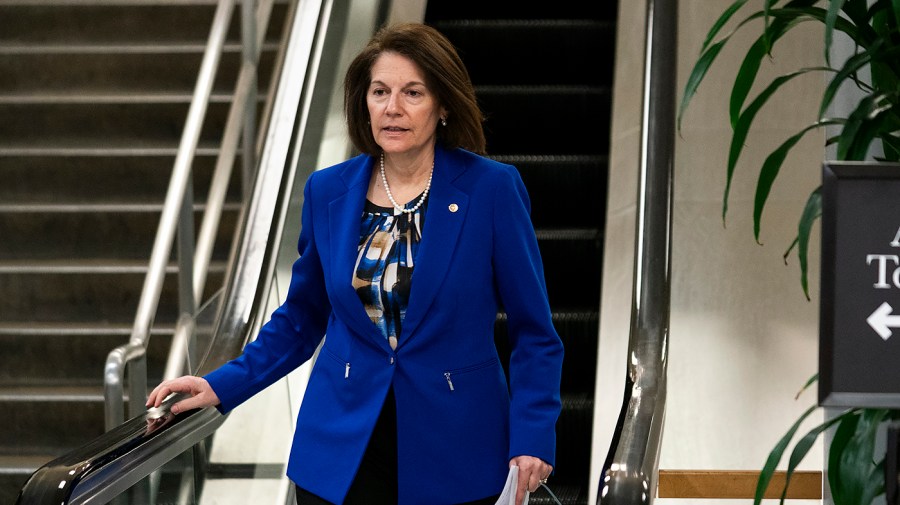
Some Democrats have voiced concerns about the provision, with Senator Catherine Cortez Masto attempting to repeal it earlier this month. She warned that the change could harm Nevada’s gaming industry, which is a significant economic driver for the state.
The Senate Finance Committee has indicated that Chairman Mike Crapo is open to receiving feedback from stakeholders. However, the committee noted that no concerns were raised about lowering the threshold during previous discussions.
Senator Ron Wyden, the top Democrat on the Finance Committee, has pledged to assist in addressing the issue. He criticized the Republicans for rushing the bill through without consulting affected parties, arguing that it caused damage to Nevada's economy.
As the debate continues, the future of the gambling tax provision remains uncertain. While some lawmakers are pushing for changes, others believe the provision is a necessary part of the broader tax reform efforts. The outcome will likely depend on ongoing negotiations and the willingness of both parties to find a compromise.

Post a Comment for "Trump's 'Big, Beautiful Bill' Threatens Gamblers: Key Insights"
Post a Comment