Trump's 'Big, Beautiful Bill' Sparks Concern for Gamblers: Key Details
Understanding the Gambling Tax Provision in the New Tax Bill
A recent provision in a major tax and spending bill signed into law by President Trump has sparked controversy among lawmakers and industry experts. This particular measure, tucked within a 1,000-page legislative package, has raised concerns about its impact on gamblers and the broader gambling industry.
What Does the Gambling Tax Provision Do?
The provision reduces the tax deduction for gambling losses from 100% to 90%. This change is part of a larger effort to extend expiring tax cuts from Trump’s 2017 tax law. The adjustment is set to take effect at the start of next year unless Congress takes action to reverse it.
Despite the significant implications, some Republican senators have downplayed the impact of the provision on their constituents. However, members from both parties have expressed concern over the rapid pace at which the bill was passed, with many feeling that critical details were not fully discussed before the final vote.
Who Is Affected?
Experts suggest that this provision will primarily affect professional gamblers and the casino industry. Adam Hoffer, director of excise tax policy at the Tax Foundation, explains that while the general public may not be significantly impacted, professional gamblers could face higher taxes.
For example, consider a professional gambler who spends $1 million annually on poker tournaments and wins the same amount. Previously, they would not owe any net income because their losses offset their winnings. With the new provision, however, they can only deduct $900,000 of their losses, leading to a higher tax liability.
This change also raises concerns about the future of the sports betting industry, as it could incentivize gamblers to turn to offshore markets that are not regulated.
How Did It Get Into the Bill?
The provision found its way into the bill through the use of budget reconciliation, a procedural tool that allowed Republicans to pass the legislation without Democratic support. Under this process, every provision had to have a budgetary effect, which led to the modification of the gambling loss deduction.
A spokesperson for the Senate Finance Committee explained that the gambling loss provision was adjusted to 90% to meet these requirements.
What Will It Save?
According to the Joint Committee on Taxation, the provision is expected to generate approximately $1.1 billion in revenue over the next decade. However, the overall cost of the tax package is projected to add more than $3 trillion to the national deficit over the same period.
While the tax burden does not directly fall on the gambling industry itself, there are concerns that reduced profitability for players could lead to decreased demand and increased participation in unregulated gambling markets.
Will Congress Undo It?
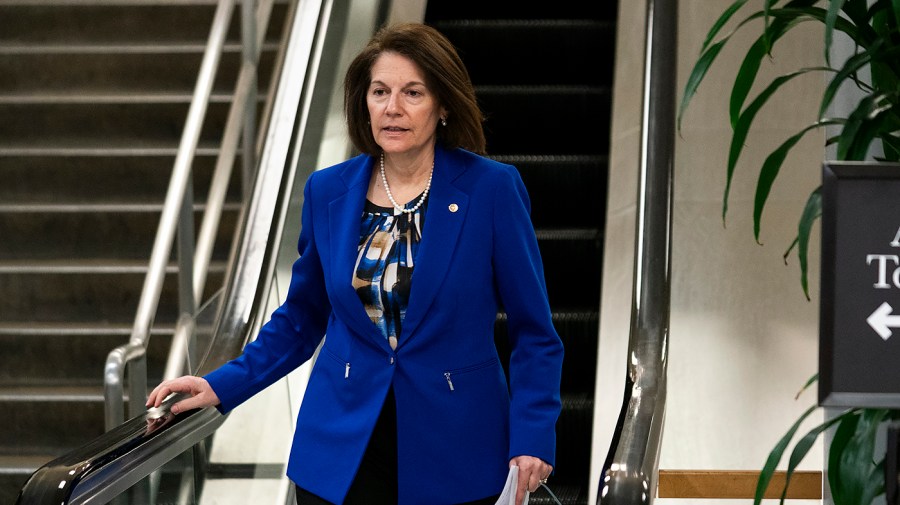
Some Democrats have expressed alarm over the provision, with Senator Catherine Cortez Masto (D-Nev.) attempting to undo it earlier this month. She warned that the provision could harm Nevada's gaming industry and disincentivize gamblers.
The Senate Finance Committee has stated that Chairman Mike Crapo is open to receiving feedback from stakeholders and learning more about industry reporting and compliance. However, no concerns were raised about lowering the threshold during previous discussions.
Senator Ron Wyden (Ore.), the top Democrat on the Finance Committee, has pledged to assist Cortez Masto in addressing the issue. He criticized the rushed passage of the bill, arguing that it caused damage to the economy of her state due to a lack of consultation.
As the debate continues, the impact of this provision on the gambling industry and individual gamblers remains a pressing concern for lawmakers and experts alike.

Post a Comment for "Trump's 'Big, Beautiful Bill' Sparks Concern for Gamblers: Key Details"
Post a Comment