Trump's Bid to End Birthright Citizenship Faces Legal Setback
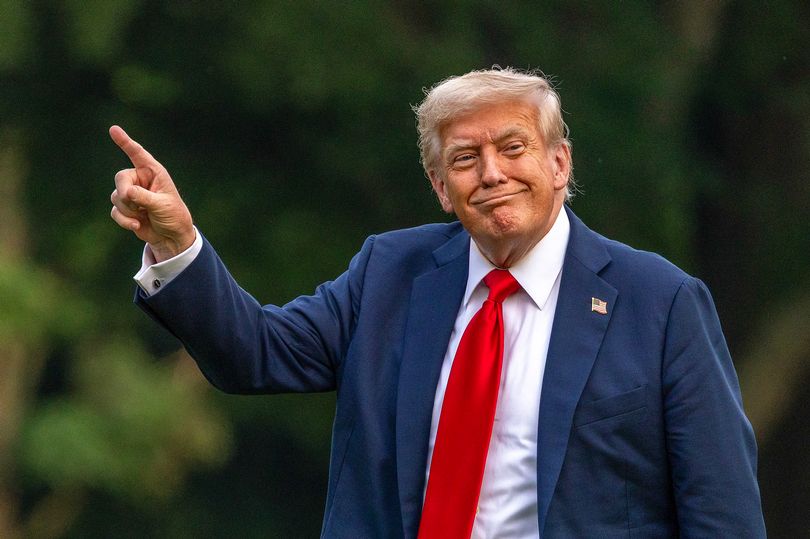
Legal Challenge to Trump's Executive Order on Birthright Citizenship
A federal appeals court has ruled that President Donald Trump’s executive order aimed at ending birthright citizenship is unconstitutional. This decision aligns with a lower court ruling that had previously blocked the enforcement of the order across the country. The 9th U.S. Circuit Court of Appeals’ decision marks a significant step in the ongoing legal battle over this controversial policy.
The ruling comes after a similar decision by a federal judge in New Hampshire, which also halted the implementation of the executive order. This development brings the issue closer to being reviewed by the Supreme Court once again.
In a previous case, the Supreme Court declined to rule on the constitutionality of Trump's order. Instead, they determined that federal judges lacked the authority to issue nationwide injunctions and sent individual cases back to lower courts for further review. However, the high court made an exception for challenges that certified a nationwide class of individuals, which is exactly what happened in this current case. The court recognized a class-action lawsuit that includes all children born in the United States after Trump issued the order in January.
The 9th Circuit Court has now prevented the Trump administration from enforcing the order, which would have denied citizenship to children born to individuals who are in the United States illegally or temporarily. In its ruling, the majority stated, “The district court correctly concluded that the Executive Order’s proposed interpretation, denying citizenship to many persons born in the United States, is unconstitutional. We fully agree.”
Birthright citizenship ensures that anyone born in the United States automatically becomes an American citizen, regardless of their parents' legal status. This principle dates back to the post-Civil War era when Congress ratified the 14th Amendment. The amendment was designed to guarantee citizenship to Black people, including former slaves. It states, “All persons born or naturalized in the United States and subject to the jurisdiction thereof, are citizens of the United States.”
This principle was reinforced in 1898 when the Supreme Court ruled in the case of Wong Kim Ark. He was a man born in the U.S. to Chinese parents who was denied reentry after traveling overseas. His case established that the 14th Amendment grants citizenship to anyone born in the U.S., regardless of their parents’ legal status. Since then, birthright citizenship has been considered a fundamental part of U.S. law, with only a few exceptions, such as for children born to foreign diplomats.
Trump's executive order, signed in January, sought to deny automatic citizenship to children born to parents living in the U.S. illegally or temporarily. This policy is part of his broader hard-line immigration agenda, which he has described as a "magnet for illegal immigration." Trump and his supporters argue that the phrase "subject to the jurisdiction thereof" in the 14th Amendment allows the U.S. to deny citizenship to babies born to women in the country illegally.
However, a series of federal judges have rejected this interpretation, issuing nationwide injunctions to prevent the order from taking effect. U.S. District Judge John Coughenour, who has served on the bench for over four decades, emphasized the clarity of the legal question during a hearing earlier this year. He stated, “I can’t remember another case where the question presented was as clear as this one is. This is a blatantly unconstitutional order.”
The 9th Circuit’s ruling is expected to be appealed to the Supreme Court by the Trump administration. This ongoing legal battle highlights the deep divisions surrounding birthright citizenship and the broader implications for U.S. immigration policy. As the case moves forward, it will continue to draw significant attention from legal experts, lawmakers, and the public.

Post a Comment for "Trump's Bid to End Birthright Citizenship Faces Legal Setback"
Post a Comment