Trump's Battle with NYC Over Homelessness
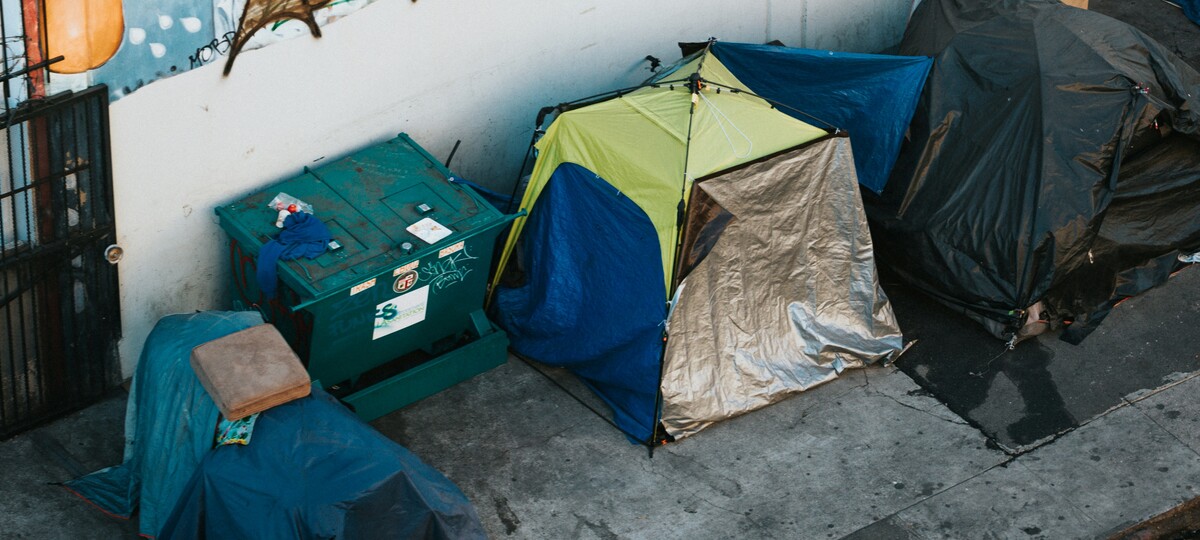
A Growing Divide Over Homelessness and Public Safety
New York City has long been a hub of diversity, culture, and opportunity. However, the city’s streets and subways have become increasingly unsafe for many residents, with reports of drug use, mental health crises, and public disturbances becoming more frequent. The public is growing weary of the sight of individuals struggling with addiction or mental illness, often described as “drug-addled zombies” or “mumbling, mentally deranged vagrants.” These concerns have sparked a heated debate over how to address homelessness and public safety.
President Donald Trump recently took a strong stance on this issue, asserting that federal funding should no longer support programs that enable drug use or allow the mentally ill to roam freely. His executive order emphasized that the majority of homeless individuals are either addicted to drugs or suffering from mental health conditions. Trump argued that while compassion is essential, it must be balanced with the need for safe, orderly communities. He called for policies that prioritize treatment and recovery rather than merely providing housing without addressing underlying issues.
This approach directly challenges long-standing policies in New York City, particularly those promoted by progressive leaders. One such policy is “housing first,” which provides permanent housing to the homeless without requiring them to participate in addiction or mental health treatment. Despite billions of dollars invested in this model, the number of homeless individuals has continued to rise, raising questions about its effectiveness.
Another controversial policy is harm reduction, which includes distributing clean needles and establishing supervised injection sites. While proponents argue that these measures reduce the risk of overdose and disease transmission, critics like Betsy McCaughey, a former New York State Lieutenant Governor, see them as enabling addiction rather than solving it. She argues that harm reduction creates an environment where drug use becomes normalized, leading to more public health and safety risks.
Trump’s new executive order threatens to cut off federal funding for programs that do not meet his criteria, including those that facilitate drug use or fail to provide adequate treatment. This move has set the stage for a potential clash between federal and local authorities, as New York City and state officials may resist these changes. With roughly $7 billion in federal funds at stake, the implications are significant.
The debate extends beyond policy and into the political arena. In the upcoming Manhattan district attorney race, Republican candidate Maud Maron is challenging incumbent Democrat Alvin Bragg, who has faced criticism for allowing areas like Washington Square Park to become hubs for drug activity. Maron has condemned harm reduction as “Orwellian doublespeak,” arguing that it perpetuates addiction and harms public spaces.
Similarly, in the mayoral election, Mayor Eric Adams has taken steps to address the issue of mentally ill individuals, supporting involuntary hospitalization for those who pose a danger to themselves or others. However, his main challenger, Zohran Mamdani, advocates for a more lenient approach, emphasizing outreach and services for the unhoused. Mamdani has proposed converting empty retail spaces in subway stations into shelters, a plan that some fear would attract more homeless individuals to the subways, further complicating daily commutes for New Yorkers.
While organizations like the American Civil Liberties Union and the National Alliance to End Homelessness criticize Trump’s policies, many residents argue that public safety and quality of life must not be overlooked. The challenge lies in finding a balance between compassion for the homeless and the need for safe, functional communities.
As voters prepare to make their choices in upcoming elections, they will need to consider the broader impact of these policies on their daily lives. The question remains: How can society support those in need without compromising the safety and dignity of the wider population?

Post a Comment for "Trump's Battle with NYC Over Homelessness"
Post a Comment