Trump's AI Plan: A Step Forward in One Area, Lagging in Another
Overview of the AI Action Plan
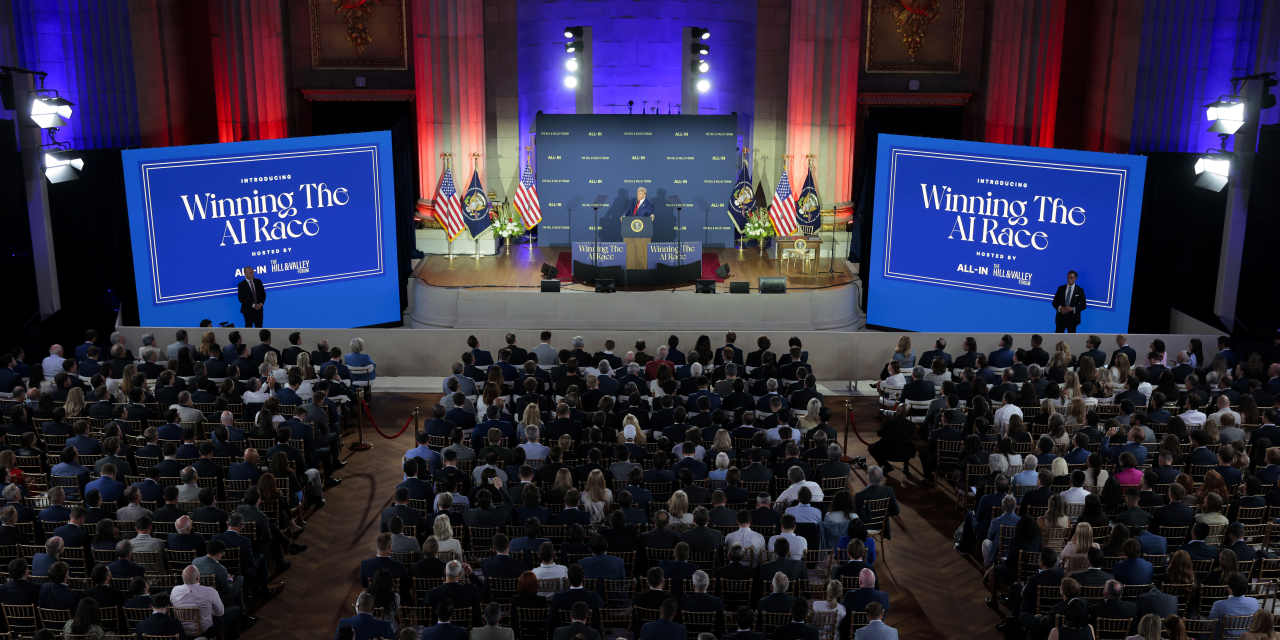
In Washington, D.C., a significant event took place as President Donald Trump unveiled an “action plan” for artificial intelligence. This initiative was accompanied by a speech highlighting the rapid development of AI and introduced new executive orders aimed at promoting AI advancements.
The plan, released on Wednesday morning by the White House, focuses on accelerating the sale of AI technology internationally and encouraging the swift construction of data centers. During his speech, Trump emphasized that one of the executive orders would position America as an AI export powerhouse, while another aims to expedite major AI infrastructure projects.
Additionally, the plan suggests that federal funding for AI-related projects in U.S. states with "burdensome AI regulations" could be withheld. This approach echoes previous Republican efforts to limit state laws governing AI, although it had not been included in their recent tax-and-spending law.
Trump expressed concerns about states hindering AI progress, stating, “You can’t have one state holding you up.” However, this proposal may face legal challenges due to potential conflicts with state authorities.
Reactions from Experts and Think Tanks
Daniel Castro, vice president of the Information Technology and Innovation Foundation, a tech-policy think tank, praised the plan as a “home run.” He stated that the initiative aligns with what the country needs: a forward-looking agenda focused on rapidly developing and deploying AI both domestically and internationally.
Susan Ariel Aaronson, a research professor at George Washington University with expertise in AI governance, noted that the government received over 10,000 comments on the plan. While acknowledging public input on investment, infrastructure, and high-speed computing, she pointed out that the plan lacked focus on AI literacy and sustainability of trust among users, developers, deployers, and policymakers globally.
Industry Perspectives
A key manufacturing group, the National Association of Manufacturers, supported the plan, calling it a “pro-AI policy environment.” Jay Timmons, the group’s president, emphasized the importance of not rushing to impose burdensome laws when workable rules already exist. He highlighted the need for tailored requirements and light-touch regulations to ensure small and medium-sized manufacturers can access AI technology.
Conversely, Public Citizen, a left-leaning advocacy group, criticized the plan for its regulatory approach. Lisa Gilbert, co-president of the group, argued that the plan risks sidelining consumer protections, worker rights, and civil liberties in favor of Silicon Valley's growth-at-any-cost agenda. She raised concerns about the potential creation of energy-hungry AI data centers without environmental reviews or local input.
Support from Business Groups
The American Fintech Council welcomed the plan, describing it as a “bold and welcome commitment to ensuring American leadership in one of the most transformative technologies of our time.”
During his 50-minute speech, Trump aligned with AI companies in their disputes with publishers. He argued that using knowledge from books or articles does not constitute copyright violations or require negotiations with every content provider. He emphasized the need to allow AI to utilize this knowledge pool without complex contract negotiations.
Trump also addressed what his administration calls “woke AI,” referring to perceived liberal bias in some models.
Analyst Insights and Market Implications
Raymond James analysts noted that “tailwinds” are expected to boost major U.S. tech firms, cybersecurity providers, semiconductor and energy-infrastructure companies, and AI-focused education and workforce firms. They identified several publicly traded tech companies that could benefit from Trump’s “AI Action Plan,” including Alphabet, Amazon, Atlassian, Meta Platforms, Microsoft, Salesforce, and ServiceNow.

Post a Comment for "Trump's AI Plan: A Step Forward in One Area, Lagging in Another"
Post a Comment