Trump Unfreezes $10.8M for Connecticut After-School Programs
Trump Administration Releases Partial Funding for Connecticut After-School Programs
The Trump administration has released approximately $10.8 million in federal funding for Connecticut’s after-school programs this week. This amount, however, is just a small fraction of the more than $50 million in education funds that were withheld as part of a broader review to ensure spending aligned with President Donald Trump’s priorities.
This partial release comes shortly after the administration abruptly blocked roughly $6 billion in congressionally approved federal education funds across the country. The sudden decision left school districts and program providers scrambling to manage significant budget shortfalls ahead of the new school year. In response, Connecticut joined a coalition of other states in filing a lawsuit against the administration over the funding freeze. The move has put summer school and after-school programs, teacher training, English language instruction, and other essential services at risk across the state.
On Monday evening, the U.S. Department of Education formally notified the Connecticut State Department of Education that the Title IV-B: 21st Century Community Learning Centers grant would be funded at $10,860,333. This information was shared with Connecticut superintendents via an email from Education Commissioner Charlene Russell-Tucker on July 23. The funds are intended to support community learning centers that offer academic enrichment opportunities for children during non-school hours, along with professional development and networking opportunities for schools and community-based organizations.
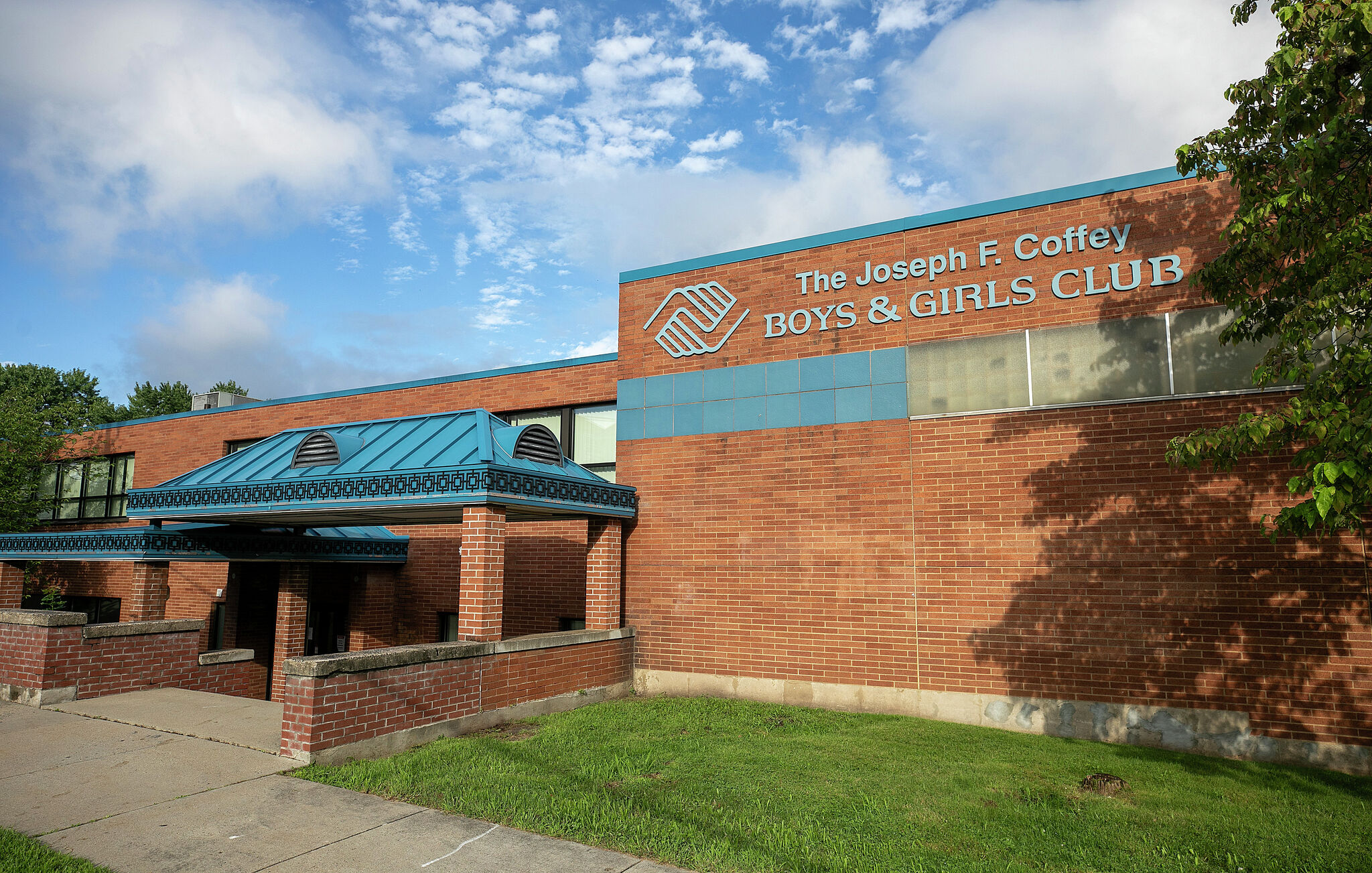
In Connecticut, the funding primarily supports community organizations such as Boys & Girls Clubs, early learning centers, before and after-school program providers, and workforce centers. However, the Trump administration’s release of around $1.3 billion in Title IV-B funds nationwide came with conditions. Recipients must comply with federal civil rights laws and "all other applicable laws and regulations," according to a memo sent to states on July 18. This has raised concerns about the administration's use of civil rights laws to restrict diversity, equity, and inclusion efforts.
The memo also warned that if grantees use funds for unallowable activities, the Department may take enforcement actions, including recovering funds under the General Education Provisions Act. Additionally, the education department will conduct reviews of grantees’ use of funds to ensure ongoing compliance with applicable laws and regulations.
Although about a fifth of the previously frozen funding has now been released, some leaders of after-school program organizations have stated that significant damage and disruption have already occurred, with some programs paused or scheduled to close. For the remaining blocked grants, federal education department officials have not yet made decisions, according to the July 18 memo.
Connecticut Attorney General William Tong described the decision as a “half-measure.” He emphasized that while some funds have been made available for certain programs, it is far from sufficient. “Half-measures do not make up for the real damage the Trump Administration is doing to students, parents, teachers, and schools,” he said in a statement. Tong stressed the need for certainty regarding budgets and programming decisions as the new school year approaches.
Connecticut is still missing approximately $40 million in federal education funding that nearly every school district had anticipated receiving by July 1. Kate Dias, president of the Connecticut Education Association, highlighted the impact of the withholding on children, families, and communities. She noted that the $10.8 million released represents less than one-fifth of the $53.6 million in federal funding Connecticut schools should receive.
The remaining blocked funds have left many districts with substantial budget gaps, affecting teacher training, recruitment and retention, technology use, language instruction, adult education, and literacy services. Connecticut will continue its legal action against the Trump administration, arguing that the decision to freeze over $53 million for Connecticut schools and $6.8 billion nationwide was unconstitutional, unlawful, and arbitrary.
Russell-Tucker informed superintendents in her July 23 email that decisions on other impounded funds, including those supporting educator development, student achievement, English learners, and adult education, have not yet been made. She pledged to keep them updated on any developments.
“We hope this is just the beginning and that Attorney General Tong’s lawsuit will secure the full return of the $6.8 billion in education funds that Congress allocated to schools nationwide,” Dias added.

Post a Comment for "Trump Unfreezes $10.8M for Connecticut After-School Programs"
Post a Comment