Trump tariffs: Your grocery shopping survival guide
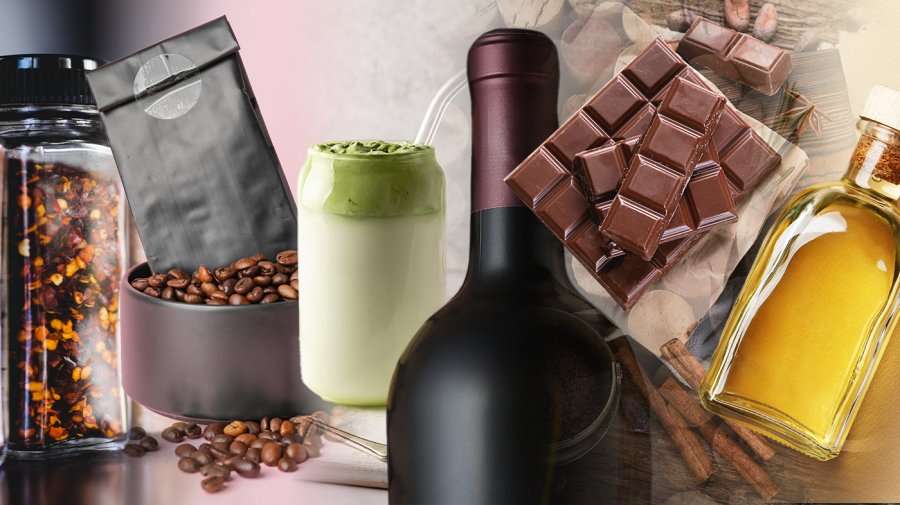
The Impact of Trump’s Tariffs on Popular Grocery Items
President Donald Trump's tariffs have introduced a new layer of complexity to the American grocery market, potentially increasing the cost of some of the most popular imported items. From coffee and olive oil to wine, matcha, and spices, consumers may soon see price hikes as businesses adjust to the new trade policies.
The "Liberation Day" tariffs, which took effect in early August, have prompted businesses and consumers to monitor price changes closely. While recent inflation data did not show an overall increase in food prices, economists predict that this could change as companies pass on additional costs to consumers. Wholesale prices rose by 0.9% last month, marking the largest monthly increase since June 2022, indicating that inflation may still be on the rise.
Martha Gimbel, executive director of the Budget Lab at Yale, noted that while some price increases are expected, they have been relatively modest so far. She explained that unlike other goods, certain products like avocados cannot be stockpiled easily, making them more susceptible to price fluctuations.
Here are six iconic imported grocery products that could be affected by these new tariffs:
Coffee
Coffee prices had already begun to rise before a 50% tariff on Brazil, the top coffee importer to the U.S., was implemented. According to inflation data, coffee prices increased by 25% over the past three months. Brazilian coffee exports have also started experiencing shipment delays.
Some brands, such as Nespresso pods, face a 40% tariff due to their Swiss origin, while Colombia, the second-largest coffee importer, is subject to a 10% duty. Experts suggest that importers may look for alternative sources with exemptions, but in many cases, the added costs will likely be passed on to consumers.
Representative Ro Khanna has proposed a bipartisan bill to repeal the coffee tariffs, highlighting concerns about the impact on consumers.
Olive Oil
Olive oil producers are facing additional challenges due to climate-related disruptions, including droughts in Spain and record-high temperatures in regions like Sicily and Greece. Allen Dushi, co-founder of Graza, mentioned that the company has delayed price increases, but any rise in import costs may take several months to appear on store shelves.
Spain and Italy account for two-thirds of U.S. olive oil imports, both subject to a 15% tariff under the U.S.-E.U. trade deal. Other top producers, such as Tunisia and Turkey, face higher tariffs.
Wine
The U.S.-E.U. trade deal initially offered hope for relief, but the beverage industry has pushed for exemptions for wine and spirits. A coalition called Toasts not Tariffs warned that the tariffs could lead to $2 billion in lost sales and over 25,000 job cuts in the U.S.
Eric Foret, a wine buyer at Le French Wine Club, noted that price increases have been gradual, with small increments adding up over time. France, Italy, and Spain are major wine importers, and their shipments are impacted by the tariffs.
Matcha
A 15% tariff on Japan could affect the price of matcha lattes, which are already expensive. Japanese green tea accounts for about half of American green tea imports by value, and demand for matcha has surged due to social media trends.
David Cooper, owner of Spot of Tea, expressed concerns about supply chain disruptions and rising costs. He highlighted the uncertainty surrounding tariffs on South Korean cups, which his shop sources from.
Chocolate
Switzerland, home to many renowned chocolate brands, faces a 39% tariff. While some manufacturers can mitigate the impact by producing in the U.S., others, like Läderach, are struggling with additional costs. Swiss leaders have reportedly considered canceling an order for American F-35 fighter jets in response to the tariffs.
Spices
Trump's decision to raise tariffs on India to 50% has caused concern among spice producers. India is the top U.S. importer of spices like nutmeg, cardamom, and coriander. The American Spice Trade Association warned that the importation of spices supports around 50,000 U.S. jobs. McCormick, a major spice producer, expects potential annual costs of up to $90 million due to the tariffs.

Post a Comment for "Trump tariffs: Your grocery shopping survival guide"
Post a Comment