Trump Seeks Release of Epstein Grand Jury Records—What's Next?
The Department of Justice and the Push for Transparency on Jeffrey Epstein’s Grand Jury Transcripts
The Department of Justice (DOJ) has taken action in response to a long-standing demand for transparency regarding the grand jury transcripts connected to disgraced financier and convicted sex offender Jeffrey Epstein. On July 18, the DOJ filed a motion requesting the release of these documents, following President Donald Trump's public call for their disclosure. However, this request faced immediate pushback from a federal judge in Florida, who denied the motion, citing that the DOJ’s case did not meet the criteria for unsealing the records.
The grand jury proceedings in question took place in West Palm Beach in 2005 and 2007, as part of an investigation into Epstein. Despite this, two federal judges in New York are still reviewing similar requests from the DOJ to unseal the grand jury records. These efforts come amid heightened scrutiny of the Epstein case, particularly after the conviction of Ghislaine Maxwell, Epstein’s longtime associate, who was sentenced to 20 years in prison in 2022 for conspiring with him to sexually abuse minors.
In a separate development, the House Oversight Committee issued a subpoena for Maxwell to appear for a deposition at the Federal Correctional Institution Tallahassee on August 11. According to Republican Rep. James Comer, the committee chairman, the DOJ is cooperating with this process.
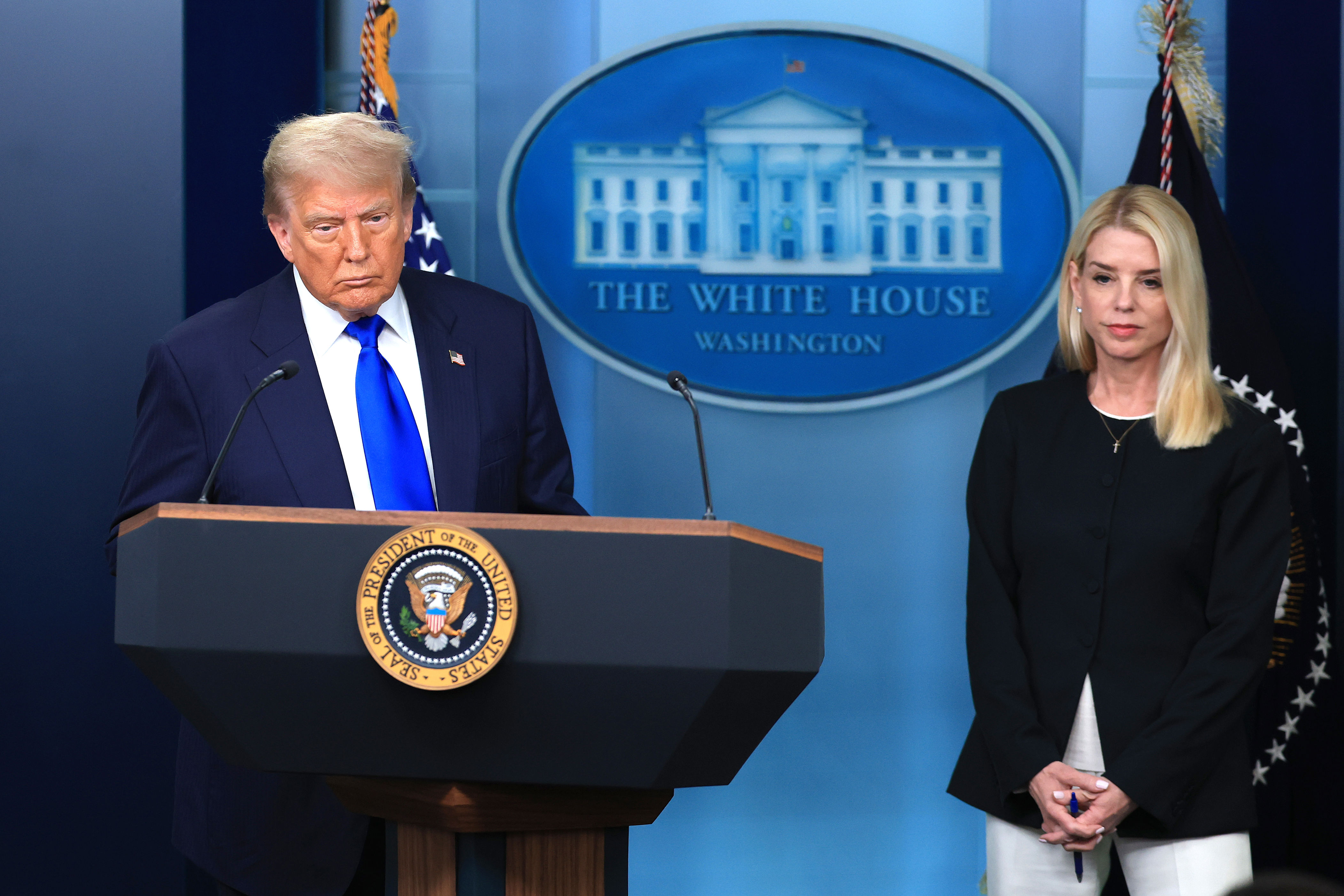
The motion to unseal the grand jury records was signed by Attorney General Pam Bondi and Deputy Attorney General Todd Blanche, and it comes amid growing public interest in the Epstein files. This interest has been fueled by recent revelations, including a memo from the DOJ and FBI that refuted conspiracy theories surrounding the case. There are also ongoing questions about the relationship between Trump and Epstein, as the two were known to have socialized.
Trump addressed the issue on Truth Social, stating that he had asked the DOJ to release all grand jury testimony related to Epstein, subject to court approval. He criticized those calling for more transparency, suggesting they would never be satisfied. However, his instructions have not led to the full release of the DOJ files, which many—including figures within the MAGA community—continue to demand.
Bondi has faced criticism for not releasing the Epstein files in full, and there have been persistent calls for a so-called “client list” supposedly linked to Epstein. While a recently released memo claims no such list exists, previous releases of documents were heavily redacted, leading to widespread backlash.
A letter sent by Sen. Richard Durbin of Illinois to the heads of the DOJ and FBI alleged that the FBI instructed agents to “flag” any mention of Trump while reviewing Epstein-related files earlier this year. This has added another layer of complexity to the already contentious situation.
Epstein’s former attorney, Alan Dershowitz, argued that the grand jury transcripts may not reveal as much as other documents, such as discovery information and depositions from the Maxwell case. He suggested that Maxwell could be willing to testify before Congress if offered immunity, emphasizing her central role in the case.
With the Trump administration’s request for the release of the grand jury records and ongoing judicial reviews in New York, the next steps remain uncertain. Understanding the legal framework behind grand jury proceedings is essential. According to the U.S. Courts, a grand jury consists of 16-23 jurors tasked with determining whether there is enough “probable cause” to indict an individual. Proceedings are typically sealed to protect the safety of individuals under investigation and witnesses.
Congress notes that while secrecy is generally maintained, there have been instances where grand jury records were unsealed for matters of public interest. For example, in 2018, a D.C. court ruled to unseal certain dockets related to the Ken Starr investigation into Bill Clinton.
The DOJ’s current motion emphasizes the public interest in the Epstein and Maxwell cases, though it acknowledges the need to redact victim-related and personal identifying information. The decision on whether to unseal the documents will depend on a careful balance between transparency and privacy concerns.
The process of unsealing the grand jury records could take weeks, months, or even longer, as courts consider the implications of releasing sensitive information. This includes consulting with individuals who may not have been charged and ensuring that the rights of victims are protected.
Efforts to access sealed documents related to the Epstein case have been ongoing. In 2017, Radar Online sued the FBI for access to these files under the Freedom of Information Act. In 2024, career prosecutor Maurene Comey filed a declaration arguing that releasing the documents could interfere with Maxwell’s appeal. Her arguments were upheld by a Federal District Court, although she was later fired from her position as a U.S. federal prosecutor.
These developments highlight the complex interplay between public interest, legal procedures, and the need to protect the rights of individuals involved in high-profile cases. As the debate over the Epstein files continues, the outcome will likely shape future discussions on transparency and accountability in the justice system.

Post a Comment for "Trump Seeks Release of Epstein Grand Jury Records—What's Next?"
Post a Comment