Trump-Putin Summit: Why Peace Before Ceasefire Won't End the Ukraine War
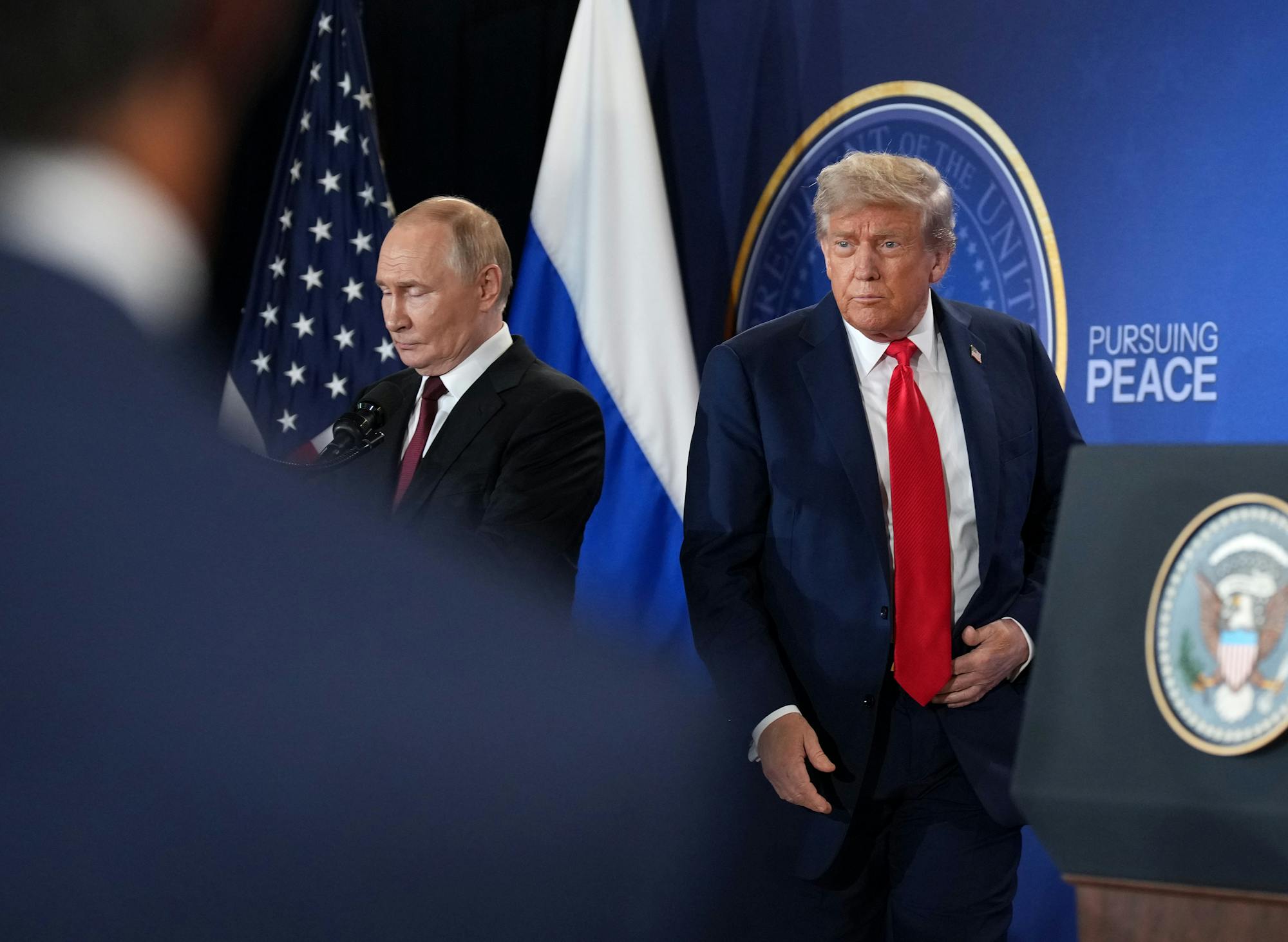
The Unconventional Summit Between Trump and Putin
The summit meeting between U.S. President Donald Trump and Russian leader Vladimir Putin in Anchorage, Alaska, on August 15, 2025, was anything but conventional. It raised more questions than it answered, leaving many observers confused about its purpose, conduct, and outcomes. This unusual gathering broke with traditional diplomatic norms, as it was hastily arranged, lacked preparation at key levels, and left conflicting accounts of what transpired.
The Conversation U.S. spoke with Donald Heflin, a veteran diplomat and professor at Tufts University’s Fletcher School, to shed light on the events and potential future developments.
A Hasty and Unproductive Meeting
Heflin noted that while the lack of concrete results from the summit was not surprising, the manner in which the meeting unfolded was problematic. He pointed out that neither Russia nor Ukraine had expressed interest in coming to the peace table. Additionally, the summit was poorly prepared, both at the high-level diplomatic stage and among the staff involved.
Despite this, there were signs in the days leading up to the summit that the White House was aiming for a ceasefire followed by further talks. However, these expectations were not met, and the reason remains unclear.
Key Issues in the Talks
One of the main issues was the disagreement over the approach to peace. Putin pushed for immediate permanent peace talks without a ceasefire, while Ukraine and its European allies preferred a temporary ceasefire first. The latter is standard practice, as a ceasefire typically allows both sides to maintain their current territorial positions, avoiding the need to retreat to previous borders.
Another major point of contention was Putin's insistence on retaining territory seized during previous conflicts. This stance is unacceptable to Ukraine and its allies, who view it as a violation of international norms.
The Broader Implications
The situation raises broader concerns about the precedent set by allowing an aggressor to retain occupied territory. History shows that such actions can encourage further aggression. For example, when Saddam Hussein invaded Kuwait, the international community intervened to reverse the occupation.
The U.S. has long supported Ukraine through security guarantees and military aid, especially after Ukraine gave up its nuclear arsenal. If the U.S. fails to stand by Ukraine, it could send a dangerous message about the reliability of American commitments.
Global Concerns and Regional Stability
The summit also highlighted the complex relationship between the U.S. and China, as well as the importance of maintaining stability in Europe. At least six European leaders, along with Ukrainian President Zelenskyy, are expected to meet with Trump and Secretary of State Marco Rubio. Their goal is to present a united front against any moves that could destabilize the region.
These leaders likely came away from earlier discussions with the impression that the U.S. was leaning toward a ceasefire. However, Trump’s decision to align with Putin’s position on skipping the ceasefire has caused concern among allies.
The Path Forward
Heflin emphasized that until a ceasefire is announced, little progress will be made. The next step will depend on whether Trump sticks to his initial plan for a comprehensive peace agreement or shifts back to the European perspective of prioritizing a ceasefire.
While critics of Trump may not always agree with his policies, they should acknowledge his aversion to war. He views conflict as chaotic and unpredictable, and his primary goal is to end the fighting.
Humanitarian Concerns
The issue of thousands of Ukrainian children reportedly taken by Russia also plays a significant role in the negotiations. These children were essentially kidnapped, and their return could serve as a gesture of goodwill. However, whether this will be addressed remains uncertain.
Conclusion
The summit in Anchorage highlighted the challenges of diplomacy in an increasingly complex global landscape. As the situation unfolds, the world will be watching closely to see if meaningful progress can be made. The stakes are high, not just for Ukraine and Russia, but for the stability of the entire region and the credibility of international agreements.

Post a Comment for "Trump-Putin Summit: Why Peace Before Ceasefire Won't End the Ukraine War"
Post a Comment