Trump Pushes Fed to Cut Rates to 1% — At What Cost to Jobs and Economy?
Understanding the Implications of Trump’s Pressure on the Federal Reserve
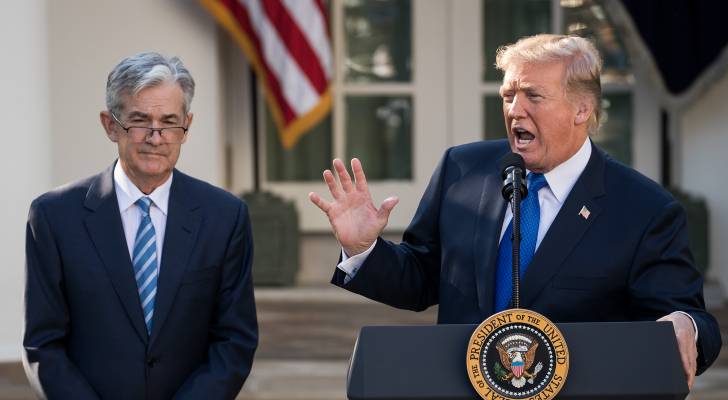
President Donald Trump has been actively pushing for a significant reduction in interest rates, urging Federal Reserve Chair Jerome Powell to cut the federal funds rate from its current level of 4.25% to 4.5% down to as low as 1%. However, the Fed has maintained its stance, keeping rates steady at this level. This decision comes amid growing concerns about the potential consequences of such pressure on the central bank's independence and the broader economy.
Supporters of lower interest rates argue that reducing borrowing costs could benefit consumers, businesses, and the overall economy. Lower rates would make mortgages, auto loans, and credit cards more affordable, potentially stimulating economic growth. However, not all members of the Fed agree. Governors Michelle Bowman and Christopher Waller were among the few who voted against the rate decision, marking the first time since 1993 that multiple governors have opposed a rate move.
Critics, including economists, former Fed officials, and business leaders, warn that political interference in monetary policy could lead to negative outcomes. They caution that such actions might result in higher inflation, market instability, and long-term damage to the Fed’s credibility. The central bank’s independence is crucial for maintaining stable economic conditions, and any perceived threats to that independence could undermine investor confidence.
The Role of Bond Yields in Economic Stability
While Trump focuses on the federal funds rate, some experts emphasize the importance of bond yields in shaping the broader economy. Treasury Secretary Scott Bessent highlighted that the administration is paying closer attention to the 10-year Treasury yield rather than the fed funds rate. This distinction is important because the federal funds rate primarily affects short-term borrowing, such as credit cards and personal loans, while long-term borrowing—like mortgages and auto loans—is more closely tied to bond yields.
For instance, even as the Fed reduced its policy rate from 5.5% in September 2024 to 4.5% by August 2025, mortgage rates did not follow suit. Instead, bond yields increased, leading to higher borrowing costs. Economists warn that if the Fed cuts rates too quickly, bond yields could rise further, potentially driving up mortgage rates and counteracting the intended effect of making borrowing cheaper.
Risks of Eroding Central Bank Independence
Daniel Tarullo, a former Federal Reserve governor and professor at Harvard Law School, has warned that efforts to pressure or remove Fed leadership could be counterproductive. He argues that bond yields and investor confidence depend on the belief that the central bank will act independently and responsibly. If this trust is undermined, it could lead to higher long-term interest rates and a loss of the Fed’s credibility as an inflation fighter.
A similar scenario unfolded in Turkey, where President Recep Tayyip Erdoğan repeatedly pressured the central bank to cut rates despite economic advice. The result was a sharp decline in the value of the Turkish lira and a surge in inflation. While the U.S. has institutional safeguards in place to protect the Fed’s independence, experts say that the mere pressure from the White House can still erode market confidence.
What Comes Next for the Federal Reserve?
With Powell’s term as Fed chair set to end in May 2026, the upcoming change in leadership could have significant implications for monetary policy. Trump will have the authority to nominate a new chair or re-nominate Powell, but the nominee must be confirmed by the Senate. It is important to note that the Federal Open Market Committee (FOMC), which includes the chair, six Fed governors, and 12 regional Federal Reserve bank presidents, determines the federal funds rate.
While the chair plays a critical role, they do not have the power to dictate policy unilaterally. As Tarullo noted, “It’s not the case that the chair can simply dictate what policy is going to be and the rest of the FOMC will fall into line.” This structure ensures that decisions are made collectively, reflecting a balance of perspectives.
The Broader Implications for Consumers and Investors
For consumers, the takeaway is that the impact of interest rate changes is more complex than it may appear. While aggressive rate cuts could lower borrowing costs in the short term, economists warn that they could also lead to higher inflation and long-term instability, especially if the Fed’s independence is compromised. Unless inflation cools or the economy slows, rates on mortgages, credit cards, and auto loans are unlikely to drop significantly anytime soon.
Investors should also consider the broader implications of political pressure on the Fed. Market confidence is essential for stable economic growth, and any perceived threats to the central bank’s independence could lead to volatility. As such, staying informed and understanding the dynamics of monetary policy is crucial for making sound financial decisions.

Post a Comment for "Trump Pushes Fed to Cut Rates to 1% — At What Cost to Jobs and Economy?"
Post a Comment