Trump Proposes U.S. Aid for Gaza as Europe Joins Effort
New Aid Plan for Gaza Remains Vague
After the White House announced that President Donald Trump would present a "new aid plan" for Gaza, officials on Tuesday remained silent on specific details about how the U.S. might collaborate with European and Arab allies to deliver aid during "tactical pauses" in the ongoing conflict. Trump emphasized the importance of ensuring that funds are used effectively during a press briefing on Air Force One, as he returned from Scotland.
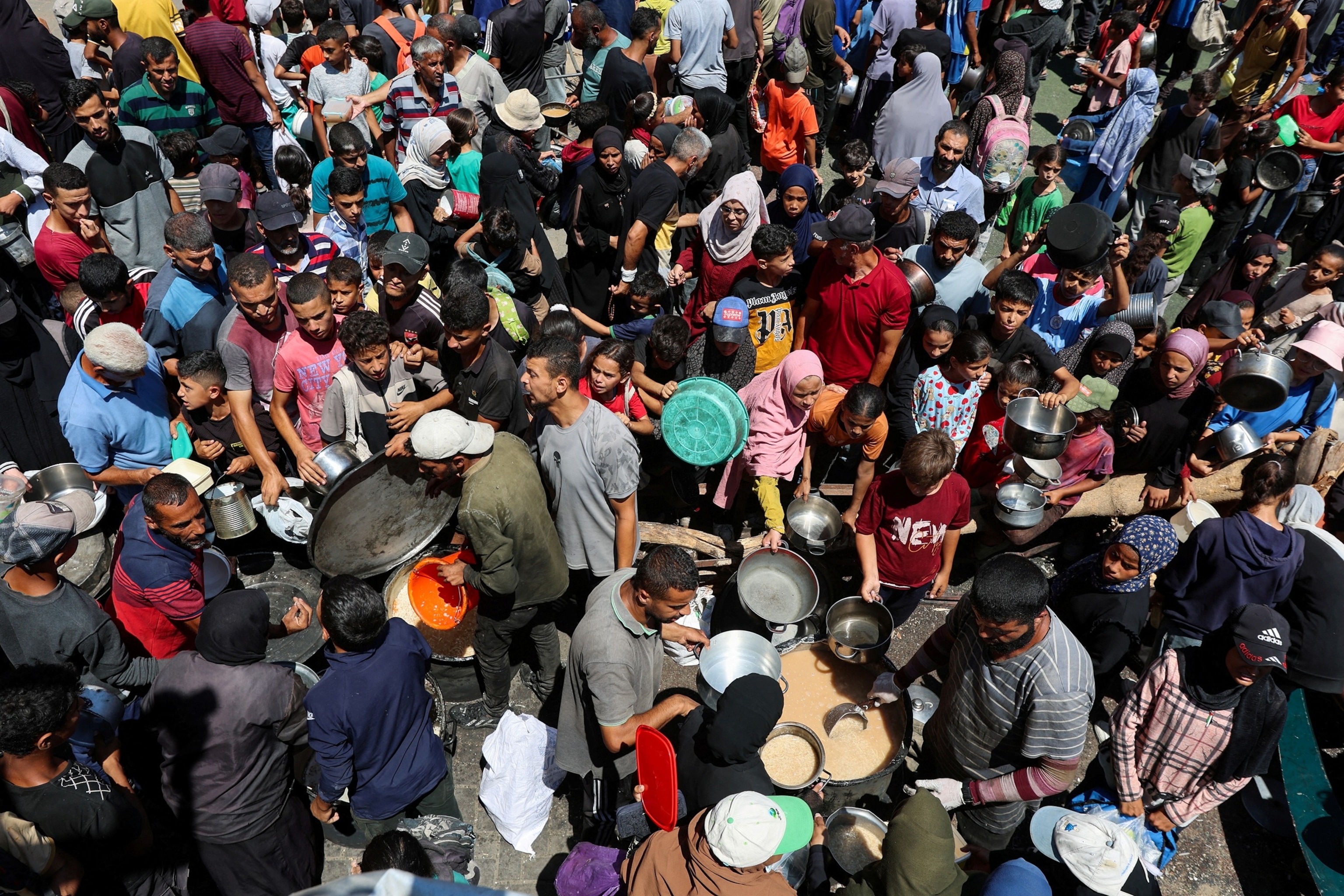
"We want to make sure it's being spent properly," Trump said, highlighting the need for proper distribution of aid. The humanitarian situation in Gaza has worsened, with rising deaths due to malnutrition and international criticism over limited aid access.
International Responses and Accusations
State Department spokesperson Tammy Bruce stated that the current hunger crisis is attributed to Hamas' refusal to lay down arms and release hostages. She also mentioned that more support is needed from various entities, including the Gaza Humanitarian Foundation (GHF). However, Bruce did not provide specifics on when more updates on aid would be released, despite Trump’s upcoming trip to the United Kingdom.
The GHF, a U.S. contractor backed by a $30 million donation, has faced criticism from the U.N., Amnesty International, and other organizations for its inability to meet the massive needs in Gaza. Israel and the Trump administration have accused Hamas of misusing aid to fund militant activities, although Hamas denies these claims.
Discrepancies and Concerns
Trump claimed the U.S. had provided $60 million in aid to Gaza, but Bruce only confirmed $30 million from the State Department. This discrepancy has raised questions about the actual amount of aid being delivered. Additionally, the GHF has not addressed concerns about the $30 million difference or the so-called "food centers" that have led to long queues and even deaths at aid sites.
The United Nations reported over 1,000 deaths at food aid sites in recent weeks, most of which are managed by the GHF. However, Israel disputes these casualty figures, claiming they are inaccurate.
U.S. Absence from Airdrop Efforts
While European countries like the United Kingdom and France have joined airdrop efforts led by Jordan and the UAE, the U.S. has not participated. Despite Trump’s statement that the U.S. would "do more" in Gaza, there have been no new aid commitments during Israeli-announced pauses.
The U.S. has supported the U.K.'s involvement in the airdrop campaign, according to a source familiar with the operations. Six countries have joined the effort so far. This absence has created tension with European allies, particularly after the U.K. announced plans to recognize Palestinian statehood in September unless Israel takes steps to resolve the situation in Gaza.
Diplomatic Tensions and Aid Challenges
Trump did not discuss the issue of statehood with British Prime Minister Keir Starmer, while British Foreign Secretary David Lammy stated that the decision was made unilaterally. France, another key U.S. ally, is participating in a U.N. conference focused on a two-state solution, which Bruce criticized as "ill-timed and unproductive."
Despite the ongoing challenges, aid continues to arrive in Gaza at a slow pace, even during the 10-hour windows that Israeli authorities claim allow more aid to reach Palestinians. The Integrated Food Security Phase Classification (IPC) warned that the worst-case scenario of famine is unfolding, with starvation-related deaths increasing rapidly.
Ongoing Struggles and Limited Progress
Aid organizations have reported that the initial movements of aid are insufficient since the pauses were announced. Jasmin Kozowy, founder of Instant Aid, noted that while the new pause policy represents a "slight opening," it is still not enough. She cited the resumption of aid by the Global Empowerment Mission, which can deliver 20 million meals to Gaza, but emphasized that this is not sufficient to address the growing crisis.
The World Food Programme (WFP), which aimed to move 80 to 100 trucks into Gaza during the pauses, has only managed to transport half that number. Abeer Etefa, WFP's senior spokesperson for the Middle East, explained that desperation among Gazans has led to looting of aid trucks and continued casualties due to live fire directed at crowds.

Post a Comment for "Trump Proposes U.S. Aid for Gaza as Europe Joins Effort"
Post a Comment