Trump Plans Putin-Zelenskyy Meeting as U.S. Promises Security Support
Trump's Efforts to Facilitate Peace Talks Between Putin and Zelenskyy
President Donald Trump has taken significant steps to initiate a face-to-face meeting between Russian President Vladimir Putin and Ukrainian President Volodymyr Zelenskyy. This move comes as part of his broader strategy to find a resolution to the ongoing conflict in Ukraine, which has been escalating since Russia’s invasion began in 2022. Trump emphasized that he has started arranging the logistics for this potential meeting, with the goal of creating a pathway toward ending the war.
The discussions also involved European leaders, including French President Emmanuel Macron, German Chancellor Friedrich Merz, and others. These meetings took place at the White House, where the focus was on securing European security guarantees to prevent further Russian aggression once the current conflict concludes. Trump reaffirmed the U.S.’s commitment to supporting these efforts, highlighting the importance of a coordinated approach among Western nations.
A Shift in Approach
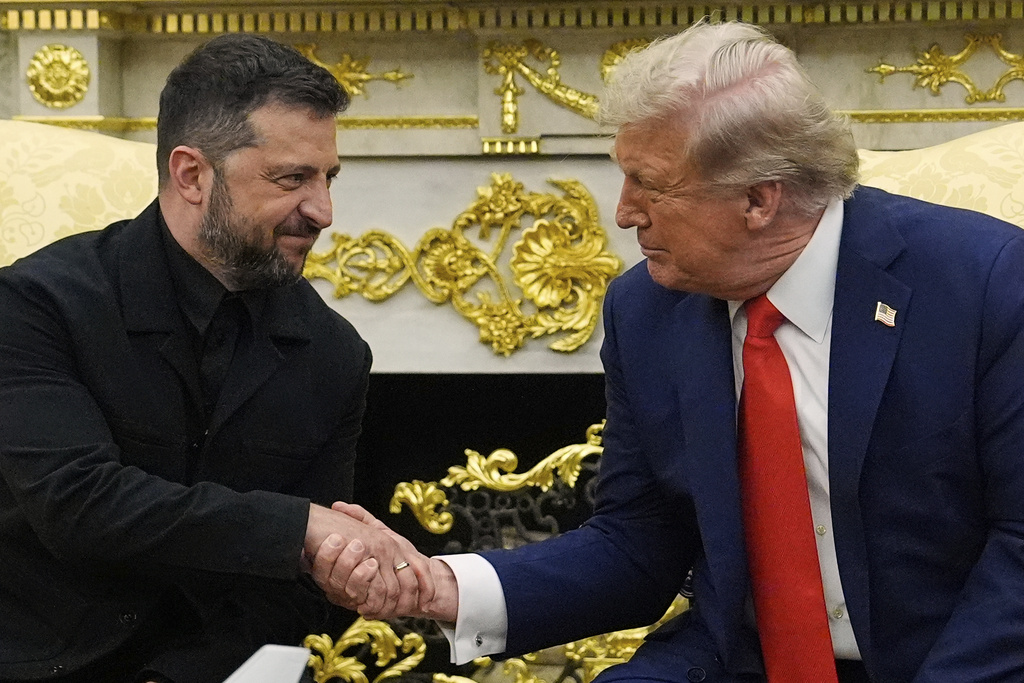
Trump’s recent engagement with Zelenskyy marked a notable shift from previous interactions. In February, their meeting had turned tense when Trump expressed frustration over what he perceived as insufficient gratitude from the Ukrainian leader for U.S. military aid. However, Monday’s meeting appeared more constructive, with Zelenskyy presenting a letter from his wife, Olena Zelenska, to Melania Trump.
This time, Zelenskyy made a conscious effort to appear more formal, donning a dark jacket and buttoned shirt—contrasting with his earlier casual attire during the invasion. He explained that his less formal style since 2022 was meant to show solidarity with Ukrainian soldiers. The change in appearance was seen as a sign of increased diplomatic seriousness.
Security Guarantees and Concerns
One of the key outcomes of the meeting was the agreement on the need for strong U.S. involvement in shaping security guarantees for Ukraine. Zelenskyy stressed that it is crucial for the United States to signal its commitment to supporting Ukraine’s security. He emphasized that without such assurances, Ukraine would be vulnerable to further Russian aggression.
However, there are concerns about the feasibility of these guarantees. Russian Foreign Ministry spokesperson Maria Zakharova rejected the idea of a NATO peacekeeping force in Ukraine, warning that such a move could lead to further escalation and unpredictable consequences. This highlights the delicate balance that must be struck between ensuring Ukraine’s security and avoiding actions that could provoke Moscow.
The Role of Direct Talks
Trump’s proposal for direct talks between Putin and Zelenskyy has drawn both support and skepticism. While some European leaders have expressed optimism about the potential for progress, others remain cautious. German Chancellor Merz, for example, called for an immediate ceasefire following the trilateral meeting, suggesting that a temporary pause in hostilities could create the conditions for a lasting peace.
Zelenskyy himself acknowledged the challenges of setting conditions for any meeting with Putin. He noted that if Ukraine starts imposing demands, Russia may do the same, leading to further complications. Instead, he advocated for a meeting without preconditions, focusing on exploring possible paths to end the war.
Broader Implications
Trump’s approach has also raised questions about the role of the U.S. and NATO in the conflict. While he did not commit to sending American troops to bolster Ukraine’s security, he suggested a “NATO-like” presence, with details to be worked out with European leaders. This reflects a strategic attempt to involve allies while avoiding direct military intervention.
At the same time, NATO Secretary General Mark Rutte warned that if Russia does not engage in meaningful talks, the U.S. and Europe may take additional measures, including tariffs and sanctions. This underscores the high stakes involved in the negotiations and the potential for further escalation if diplomatic efforts fail.
Looking Ahead
As the situation continues to evolve, the success of Trump’s peace initiative will depend on several factors, including the willingness of both sides to engage in meaningful dialogue and the ability of the international community to provide consistent support to Ukraine. With tensions still high and the future uncertain, the coming weeks will be critical in determining whether a lasting peace can be achieved.

Post a Comment for "Trump Plans Putin-Zelenskyy Meeting as U.S. Promises Security Support"
Post a Comment