Trump May Pardon Ghislaine Maxwell. Here's Why He Won't.
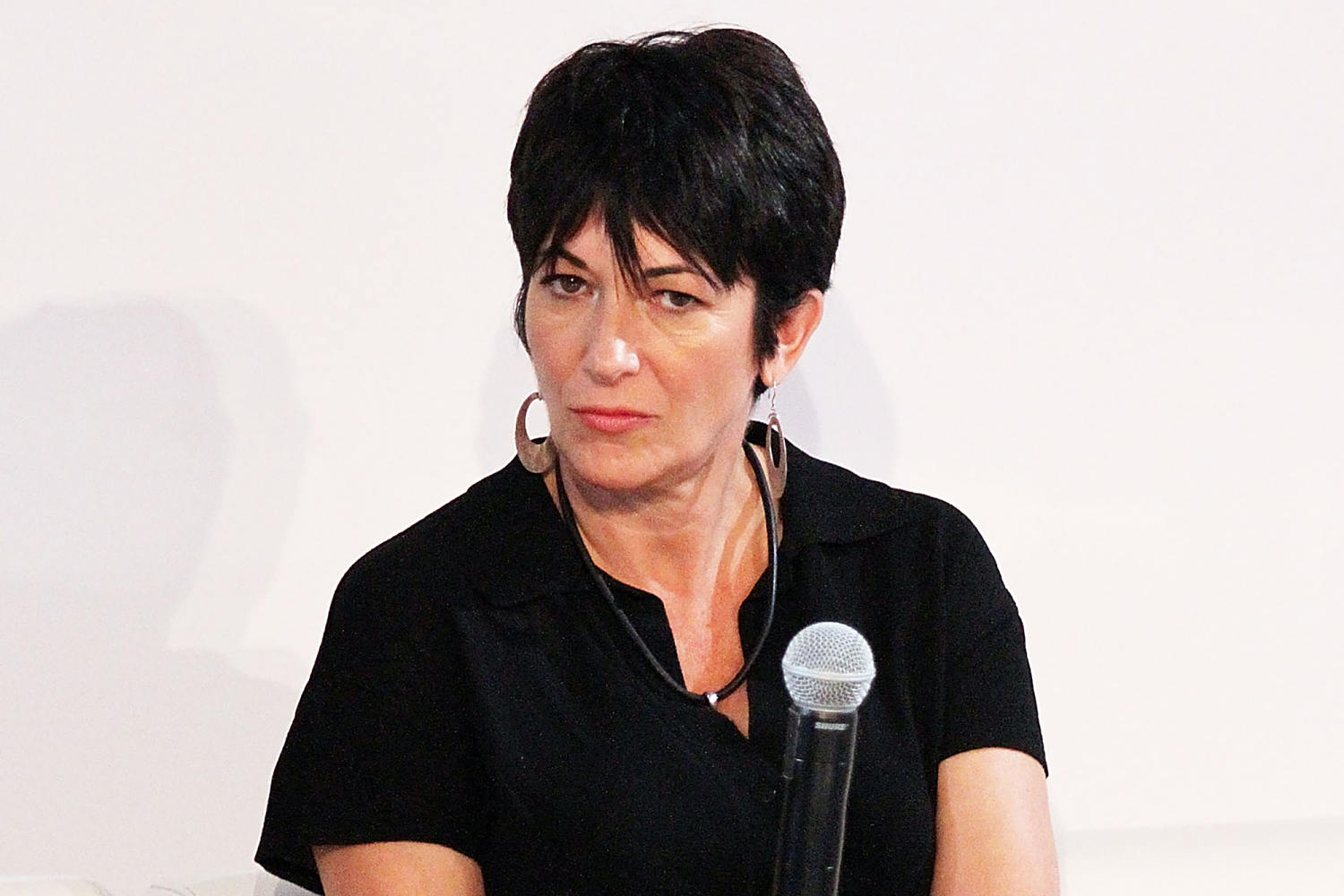
The Legal and Political Implications of a Potential Pardon for Ghislaine Maxwell
After the Department of Justice (DOJ) met with Ghislaine Maxwell in a Florida courthouse, many questions arose about the purpose of the meeting. Maxwell, who is currently serving a 20-year federal sentence for sex trafficking, was once an alleged enabler of Jeffrey Epstein’s crimes. Now, the DOJ is seeking her cooperation, but what exactly are they hoping to gain from her?
One major question is whether Maxwell has any information that could be damaging to the president or if she simply has nothing relevant to share. The government's interest in speaking with her might be purely for the sake of justice, but it's also possible that the president has a personal stake in what she knows.
Another key issue is what the government might offer Maxwell in exchange for her cooperation. The most obvious option would be a presidential pardon, which could grant her freedom. When asked about the possibility of pardoning Maxwell, former President Trump stated, “I’m allowed to do it, but it’s something I have not thought about.” Maxwell’s attorney responded by saying, “We haven’t spoken to the president — or anybody — about a pardon,” but added, “we hope he exercises that power in a right and just way.”
The president’s pardon power is one of the broadest powers granted by the Constitution. It allows the president to forgive individuals for federal crimes, and this power is largely unrestricted. This was highlighted in the Supreme Court’s 2024 decision in Trump v. United States, which ruled that a former president has absolute immunity from criminal prosecution for core official acts. While the pardon power falls under this category, it remains a tool that can be used without significant legal constraints.
Legal scholars, such as Kim Wehle, have pointed out that the pardon power is unique in its lack of limitations. Even if used corruptly or to facilitate a crime, the president retains the ability to issue a pardon. Justice Sonia Sotomayor emphasized this in her dissent, stating, “Takes a bribe in exchange for a pardon? Immune. Immune, immune, immune.”
While it is common for prosecutors to seek information from criminals in exchange for leniency, there are risks involved. A person serving a long prison sentence may be willing to say anything to secure their release. However, the DOJ often relies on such cooperation because criminals tend to know other criminals, and juries are generally aware of the flaws in cooperating witnesses.
Maxwell’s attorneys could theoretically request a pardon in exchange for her testimony, especially if the DOJ deems her information valuable. However, the likelihood of this happening depends on the president’s willingness to act in his own self-interest. If Trump believes there is nothing in the Epstein files that could damage him, then Maxwell’s information may not be worth much to him.
Moreover, Maxwell is considered too controversial for Trump to associate with. The president prefers to pardon individuals who bring him positive media attention rather than negative scrutiny. He has made efforts to distance himself from Epstein and has been reluctant to issue pardons broadly. For example, he did not pardon Michael Cohen, despite their close relationship, which has led to ongoing issues with the former lawyer.
The January 6 pardons were mass pardons, but they were not random. They targeted individuals within Trump’s base, likely offering political benefits. Similarly, past presidents have used pardons for strategic reasons. For instance, Bill Clinton pardoned his brother and a billionaire financier who had donated to the Clinton Library and Hillary Clinton’s campaign.
The Framers of the Constitution intentionally gave the president broad pardon powers, even though some debated its inclusion. This power has historically been used for self-interest, though the Office of the Pardon Attorney typically handles more routine cases. Now, with the Supreme Court’s recent immunity decision, the president has even more latitude to use this power openly.
While the law allows the president to issue pardons, the ethical implications remain significant. There is a concern that the president could potentially sell pardons for political gain. In the case of Ghislaine Maxwell, it is crucial to ensure that any potential pardon is granted for the sake of justice rather than personal interest.

Post a Comment for "Trump May Pardon Ghislaine Maxwell. Here's Why He Won't."
Post a Comment