Trump Extends Putin's Timeline
The Alaska Summit and Its Aftermath
The recent meeting between former U.S. President Donald Trump and Russian President Vladimir Putin in Alaska has sparked a wave of controversy and concern. The summit, which appeared to be an impromptu gathering, drew sharp criticism for the way Trump welcomed Putin, who is widely seen as responsible for the ongoing conflict in Ukraine. This encounter raised questions about America's stance on global affairs and its relationship with key allies.
Trump’s decision to meet with Putin was likely influenced by a desire to shift media attention away from other issues, such as the fallout from the Jeffrey Epstein scandal. However, the outcome of the summit remains unclear, as the discussions behind closed doors were not made public. When the two leaders emerged, their statements were vague and lacked substantive content, leaving many wondering what was actually discussed.
Following the summit, Trump attempted to downplay the event, suggesting that Ukrainian President Volodymyr Zelensky should accept Putin’s proposed terms. This implication of U.S. support for a potential agreement that would involve freezing the front lines and partitioning Ukraine was met with skepticism by both Zelensky and European leaders. In response, several European leaders quickly traveled to Washington to express their concerns and reinforce their commitment to supporting Ukraine.
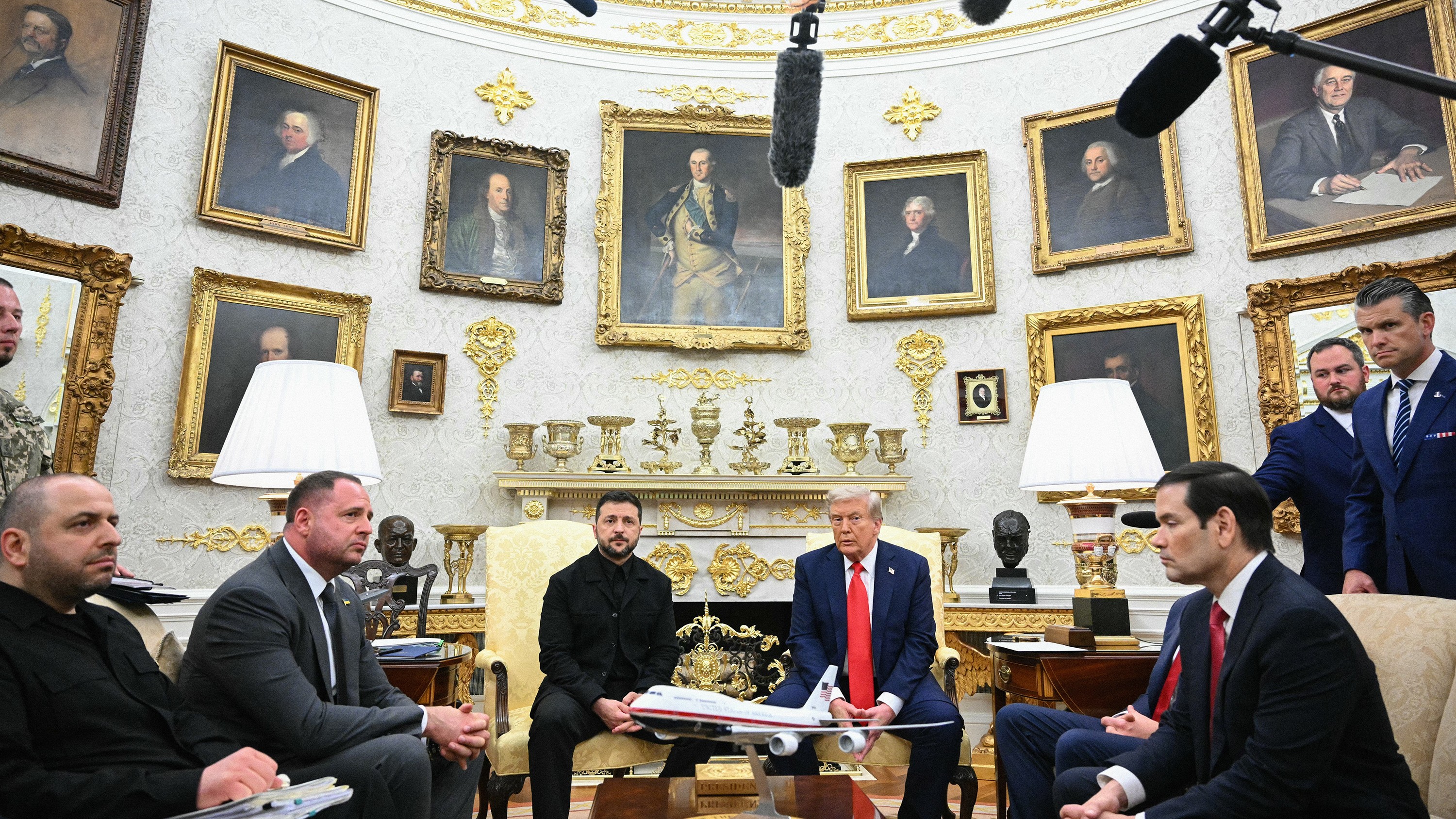
This diplomatic effort marked a significant shift from previous interactions, where Zelensky had faced criticism from Trump during a visit to the White House. This time, he was accompanied by leaders from five NATO nations, along with the NATO secretary general and the president of the European Commission. Their presence highlighted the importance of unity among Western allies in addressing the situation in Ukraine.
Despite the initial concerns, it appears that some individuals at the meeting managed to dissuade Trump from pursuing a land-for-peace deal. This development is encouraging, as there were indications that the White House had a map of Ukraine that seemed to align closely with Putin’s interests. After the discussions, Trump called Putin and issued a statement on Truth Social, claiming that he had secured Putin’s agreement for a bilateral meeting between Putin and Zelensky.
However, the proposed plan to have Zelensky and Putin meet without mediators seems impractical. Trump’s belief that he can facilitate a one-on-one meeting between the two leaders, followed by a trilateral meeting involving himself, raises questions about the feasibility of such an approach. Without a cease-fire or a clear agreement on Ukraine’s future, these meetings may result in little more than a reiteration of demands from both sides.
The Russian perspective on Trump’s offer of further negotiations is cautious. While the Kremlin expressed support for continuing direct talks, the language used in their statement was vague and lacked concrete commitments. This ambiguity allows Putin to maintain a position of flexibility while continuing military operations in Ukraine.
Although the Europeans seem to have prevented Trump from endorsing a land-for-peace deal, the situation remains precarious. The potential for an American-imposed partition of Ukraine is still a concern, and the mini NATO delegation’s efforts have been crucial in averting such a scenario. At the very least, their actions have delayed any immediate decisions that could have negatively impacted Ukraine.
Ultimately, Trump’s actions have not led to any meaningful progress in resolving the conflict. Putin’s war continues, and the situation in Ukraine remains dire. However, there are still positive elements to consider, such as the continued presence of Alaska within the United States, the strength of NATO, and the resilience of Kyiv. In the context of a second Trump presidency, these factors may represent the best possible outcome under the circumstances.

Post a Comment for "Trump Extends Putin's Timeline"
Post a Comment