Trump Ends CAFE Fines, SUVs and Trucks Make a Comeback
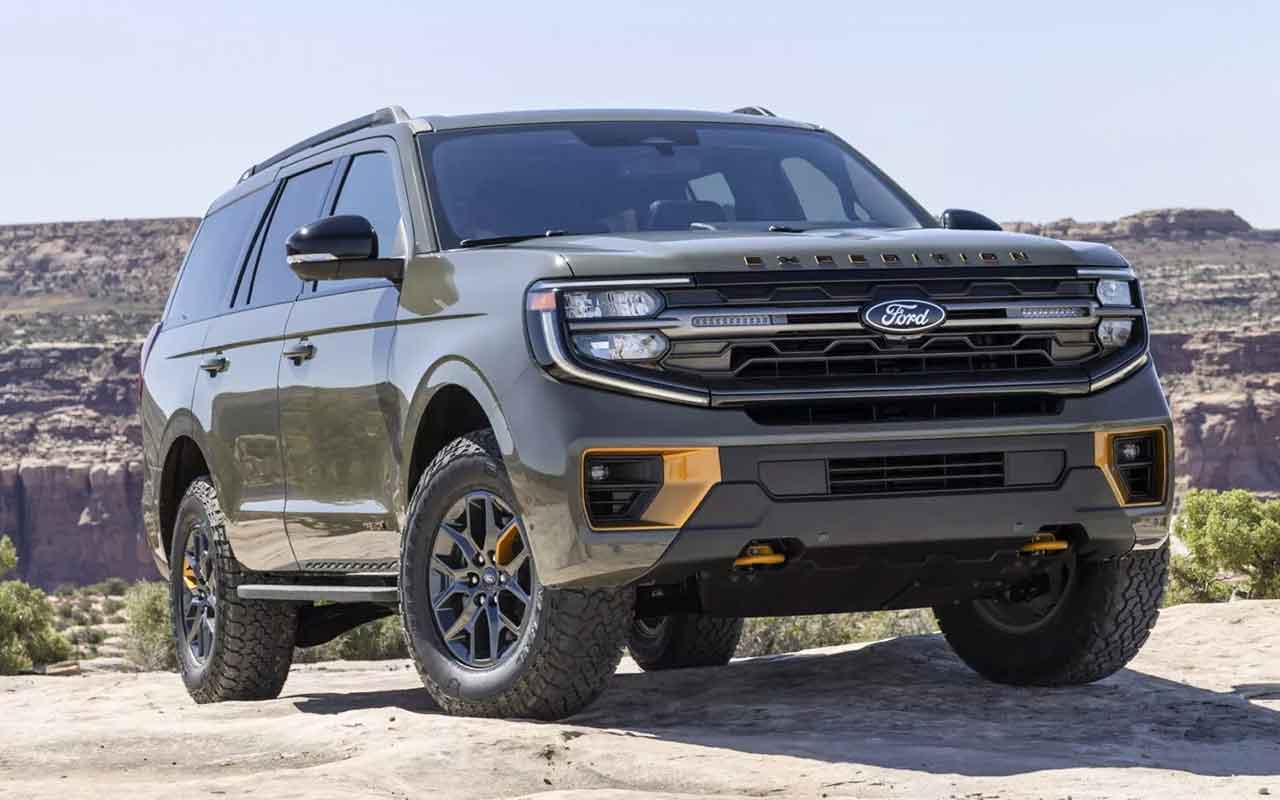
The U.S. Auto Industry's Shift Toward Internal Combustion Engines
In 2025, the U.S. auto industry is undergoing a significant transformation, driven by evolving regulations and policy changes. A key factor in this shift has been the decision to remove penalties for automakers that fail to meet Corporate Average Fuel Economy (CAFE) standards. This change has created an environment where internal combustion engine (ICE) vehicles, especially large SUVs and pickup trucks, are seeing a resurgence.
Detroit’s Big Three—General Motors (GM), Ford, and Stellantis—are now reorienting their strategies to focus on high-margin ICE vehicles rather than electric models. Stellantis CEO Antonio Filosa highlighted the potential for substantial profits from this move, while GM CEO Mary Barra mentioned the extended sales window for ICE vehicles during a recent earnings call. Similarly, Ford CEO Jim Farley expressed optimism about "billions in profit opportunities" in the coming years.
EV Transition Faces Setbacks
Despite significant investments in electric vehicle (EV) development, U.S. automakers are reassessing their strategies. GM's goal of transitioning fully to EVs by 2035 and Ford's plan to produce a three-row electric SUV in Canada are now being reconsidered. Stellantis, which had previously phased out its HEMI V8 engine and introduced an all-electric Dodge Charger, is also changing direction.
The sluggish sales of EVs and the high costs associated with their production have prompted these companies to refocus on profitable ICE models. Stellantis is planning to launch a new Charger with a gasoline-powered V6 engine, while Ford is repurposing its Canadian plant to build large trucks instead of electric SUVs. Meanwhile, GM has stopped commenting on its 2035 EV transition timeline.
Consumer Demand for Large Vehicles Remains Strong
Market trends support the shift back to ICE vehicles. American consumers continue to favor larger vehicles, with large SUVs and trucks leading the sales charts. An industry insider noted, "Americans love their big cars," and added that automakers are pushing the boundaries to create even more large SUVs. However, there is a cautionary note: completely halting EV investments could jeopardize the U.S.'s position in technology and sustainability.
EVs Are Not Being Abandoned, But Their Priority Has Changed
Although U.S. automakers are not abandoning their EV development plans, regulatory rollbacks and strong demand for profitable ICE vehicles are likely to slow their investments in electric models. GM, Ford, and Stellantis remain committed to EVs in the long term but are prioritizing ICE strategies for immediate profitability.
The recent slowdown in EV sales has raised doubts about the pace of electrification, reinforcing the perception that large ICE vehicles offer better profit margins.
Balancing Profitability and Sustainability
In summary, the relaxation of fuel economy standards is steering the U.S. auto industry toward an ICE-dominant future. While this shift may boost short-term profits, it could also hinder progress on climate goals and slow the development of the EV sector. The industry now faces the challenge of balancing short-term financial gains with long-term sustainability and EV strategies in a rapidly changing market.
Recent Automotive News Highlights
- The Acura RSX Is Back—But Now It’s a $50K Electric SUV: A nostalgic model returns with a modern twist.
- The Smallest Mercedes Just Got Serious: Meet the All-New GLA: A compact luxury SUV with enhanced performance.
- Ford Just Killed the Assembly Line Henry Ford Invented: A major shift in manufacturing processes.

Post a Comment for "Trump Ends CAFE Fines, SUVs and Trucks Make a Comeback"
Post a Comment