Trump Declares Emergency to Tackle Crime and Homelessness in D.C.
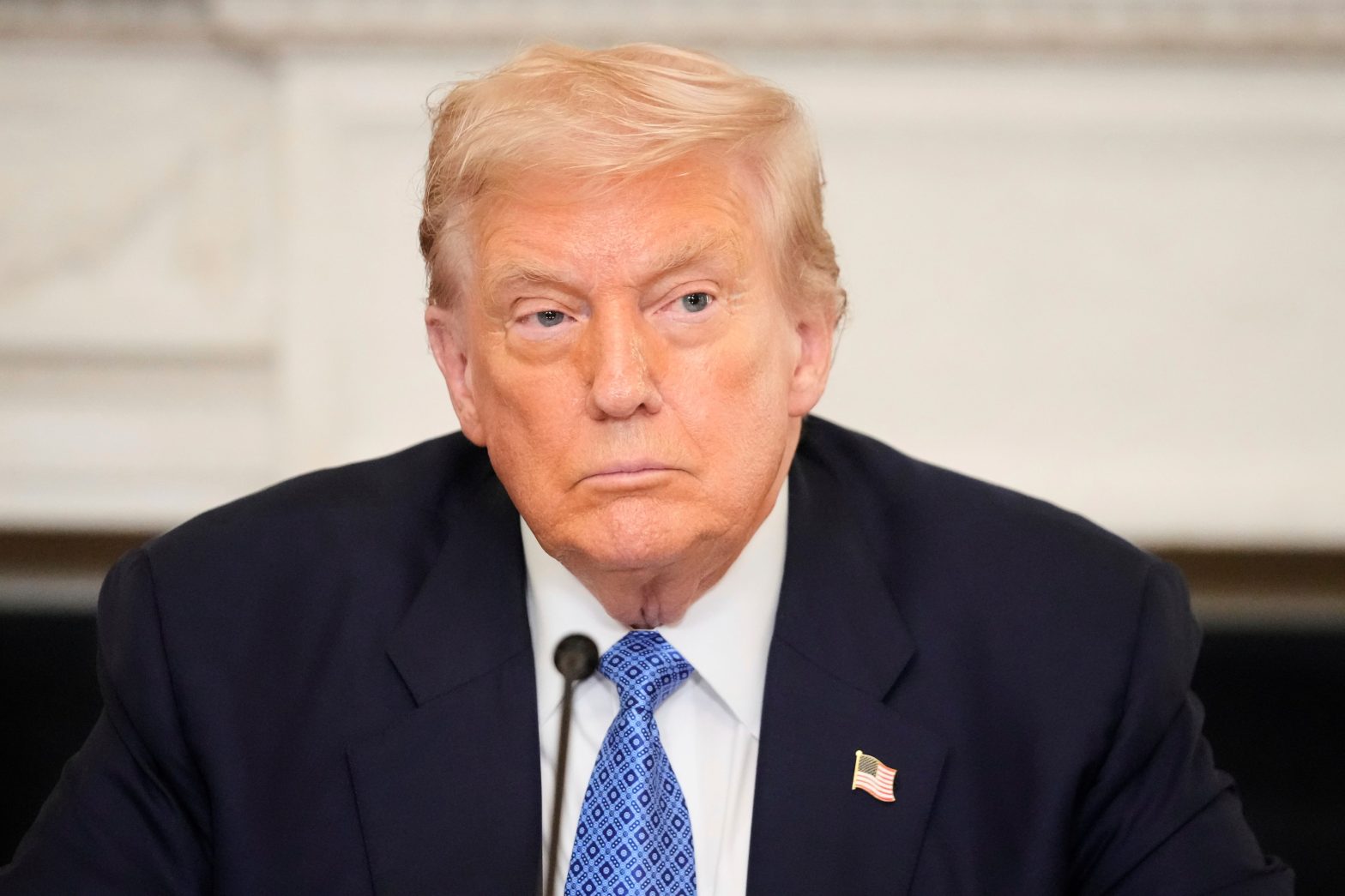
President Trump Announces Emergency Measures to Address Crime and Homelessness in Washington, D.C.
President Donald Trump has declared a public safety emergency for Washington, D.C., taking significant steps to combat what he describes as rampant crime and disorder in the capital. The move includes mobilizing the National Guard to assist local law enforcement and implementing measures to address homelessness and public safety concerns. However, the announcement has sparked considerable debate and criticism from various political and community leaders.
At a press conference held on Monday, Trump emphasized the urgency of the situation, calling it "Liberation Day in D.C." He stated that the city was experiencing a crisis of "complete and total lawlessness," citing recent incidents such as shootings and beatings—some targeting government employees—as evidence of the need for immediate action.
Trump also pledged to eliminate homeless camps that he claims have contributed to the city's decline in cleanliness and quality of life. To achieve these goals, he signed two executive orders. One order aims to federalize the local police force, while the other authorizes the use of the National Guard to support law enforcement efforts across the country. This move marks a significant shift toward a more centralized approach to public safety in the District.
The president was joined by key advisors, including U.S. Attorney General Pam Bondi and U.S. Attorney for the District of Columbia Jeanine Pirro. Bondi made a strong statement, declaring that "crime is ending in D.C. and it is ending today." Pirro criticized the current legal framework, arguing that weak laws allow criminals to operate with impunity. She called for changes to the city’s legal system and blamed local officials for creating an environment where criminal activity thrives.
Despite the president's rhetoric, not everyone supports his approach. A small protest rally, consisting of fewer than 100 people, took place near the White House during the press conference. Protesters carried signs reading "Trump Must Go Now" and voiced their opposition to the administration’s policies.
D.C. Council member Charles Allen, a Democrat, expressed concern over the executive orders, calling them "extreme, outrageous, and dangerous." He pointed out that the National Guard is trained for warfare and disaster response, not for community policing. Allen warned that the actions taken could threaten the safety of residents and undermine trust in local governance.
Keya Chatterjee, director of the nonprofit organization Free DC, argued that addressing the root causes of crime, such as poverty and lack of access to basic needs, is a more effective solution than a heavy-handed law enforcement approach. Her organization advocates for greater self-determination for the District of Columbia, emphasizing that the city belongs to its residents.
Mayor Muriel Bowser has challenged the accuracy of Trump’s claims about rising crime rates. According to Metropolitan Police Department statistics, violent crime in the district has decreased by 26% this year compared to the previous year. This marks the lowest level of violent crime in the past 30 years and continues to show a downward trend. Homicides are down by 12%, property crime by 4%, and overall crime by 7% in the past year.
As the debate over the best approach to public safety in Washington, D.C., continues, the focus remains on balancing security, constitutional rights, and the well-being of the city’s residents. The coming weeks will likely see increased scrutiny of the administration’s policies and their impact on the community.

Post a Comment for "Trump Declares Emergency to Tackle Crime and Homelessness in D.C."
Post a Comment