Trump Cuts Funds, Detroit Candidates Face Key Question | Opinion
Detroit's Cultural Legacy and the Need for Artistic Leadership
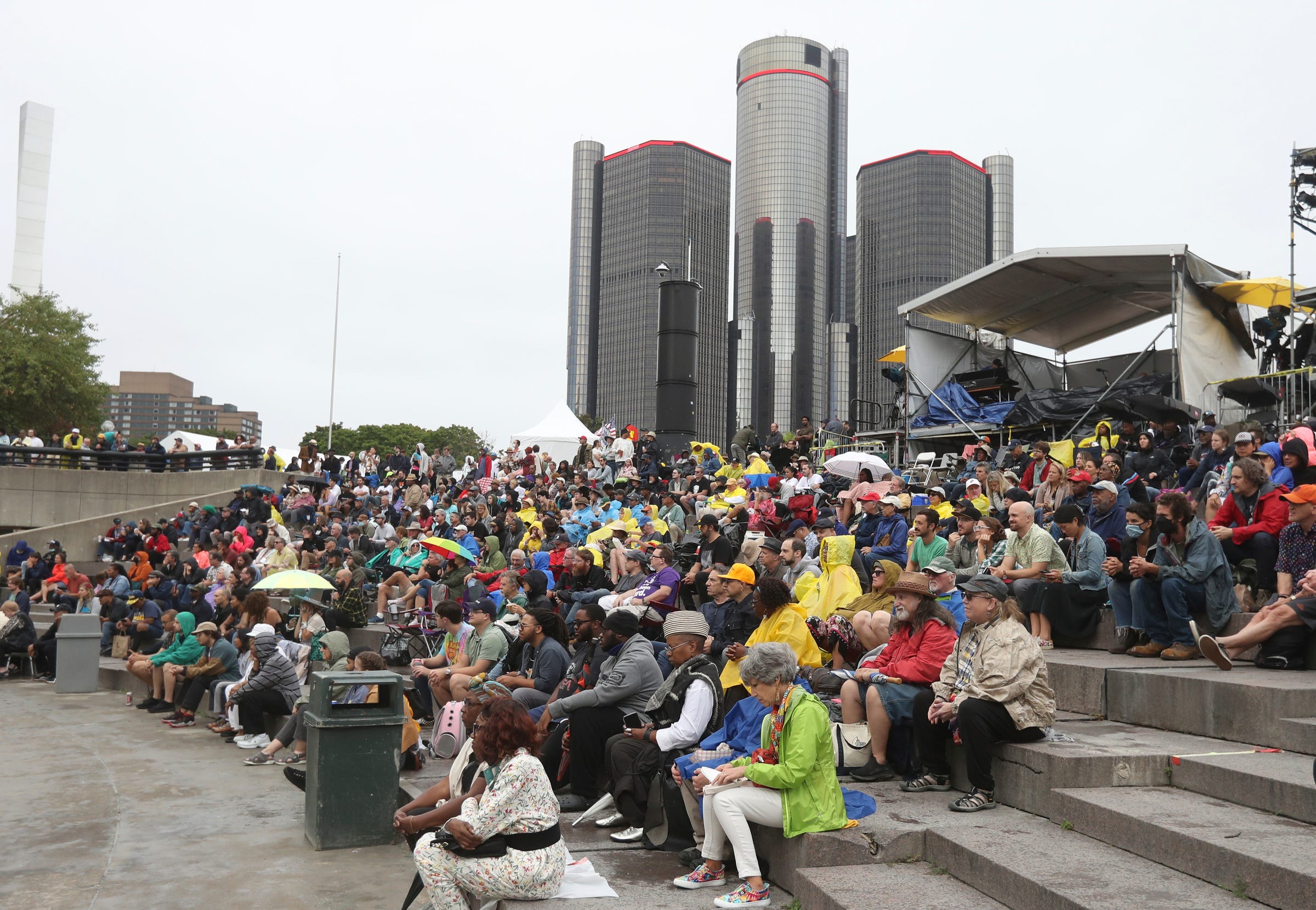
Detroit has long been recognized as a city that pulses with creativity, innovation, and artistic expression. It is not just the birthplace of Motown or the home of the auto industry; it is a global hub for music, art, and culture. The city’s legacy is deeply intertwined with its artistic contributions, yet there seems to be a growing disconnect between this rich heritage and the priorities of current political leaders.
The arts have played a foundational role in shaping Detroit’s identity, much like the automotive industry did. From the soulful sounds of Motown to the rise of techno music, Detroit has consistently produced cultural exports that resonate worldwide. However, as the city moves forward, it is increasingly alarming to see that many of the mayoral candidates are not addressing the importance of preserving and expanding this artistic landscape.
A City at a Crossroads
With the upcoming mayoral election on August 5, the focus has largely been on pressing issues such as affordable housing, homelessness, and economic development. While these are undeniably critical concerns, they should not come at the expense of the arts. In fact, the arts can play a pivotal role in addressing some of these challenges by fostering community engagement, creating jobs, and driving tourism.
Detroit ACE, the office for Detroit Arts, Culture and Entrepreneurship, has made significant strides in supporting the city’s creative community. Under the leadership of Rochelle Riley, the organization has launched initiatives such as the children’s art gallery and nine arts alleys across the city. These efforts have helped shine a light on Detroit’s artistic heritage and provide platforms for local artists to thrive.
However, the future of these programs remains uncertain, especially with the looming threat of federal funding cuts. As highlighted by Riley, the potential loss of such support could have devastating consequences for the arts in Detroit. This is a warning that cannot be ignored.
The Economic Power of the Arts
There is a common misconception that the arts are an optional luxury rather than an essential component of a thriving economy. But the data tells a different story. Studies have shown that the arts sector contributes significantly to a city’s economic growth. For instance, in 2022 alone, the arts and culture sector generated $151.7 billion in economic activity, supported 2.6 million jobs, and generated $29.1 billion in tax revenue.
This is not just about aesthetics or entertainment; it is about investment in a city’s future. When cities prioritize the arts, they open doors to new opportunities, attract tourists, and create vibrant communities. Detroit’s reputation as a cultural powerhouse is not accidental—it is the result of decades of artistic excellence and innovation.
A Call to Action
As the next mayor of Detroit prepares to take office, it is imperative that they recognize the value of the arts and make them a central part of their agenda. This means not only continuing the efforts of Detroit ACE but also developing a comprehensive vision for how the city can further leverage its artistic strengths.
It is also crucial for candidates to address the broader implications of budget cuts and policy changes that threaten the arts. With the current administration’s approach to funding, the need for strong advocacy for the arts has never been greater. Supporting the arts is not just about preserving the past; it is about building a more resilient and prosperous future.
The Importance of Education and Community
Another key aspect of the arts’ impact lies in education. Detroit Public Schools once had some of the most robust music and arts programs in the country. These programs were not just extracurricular activities—they were essential components of a well-rounded education. They provided students with the tools to express themselves, think critically, and engage with the world around them.
Unfortunately, these programs have faced cuts over the years, often due to financial constraints. But the evidence shows that investing in the arts leads to better outcomes for students and, ultimately, for society as a whole. A generation that grows up with access to the arts is more likely to become informed, engaged, and innovative citizens.
Looking Ahead
As Detroit continues to rebuild and redefine itself, the arts must remain at the forefront of the conversation. The city’s unique cultural identity is its greatest asset, and it is up to the next generation of leaders to ensure that this legacy is preserved and expanded.
The stakes are high, and the time to act is now. Whether through policy, funding, or public support, every effort counts in safeguarding the arts and ensuring that Detroit remains a beacon of creativity and inspiration for generations to come.

Post a Comment for "Trump Cuts Funds, Detroit Candidates Face Key Question | Opinion"
Post a Comment