Trump Considers Pardoning Ghislaine Maxwell: Can Trust Be Restored?
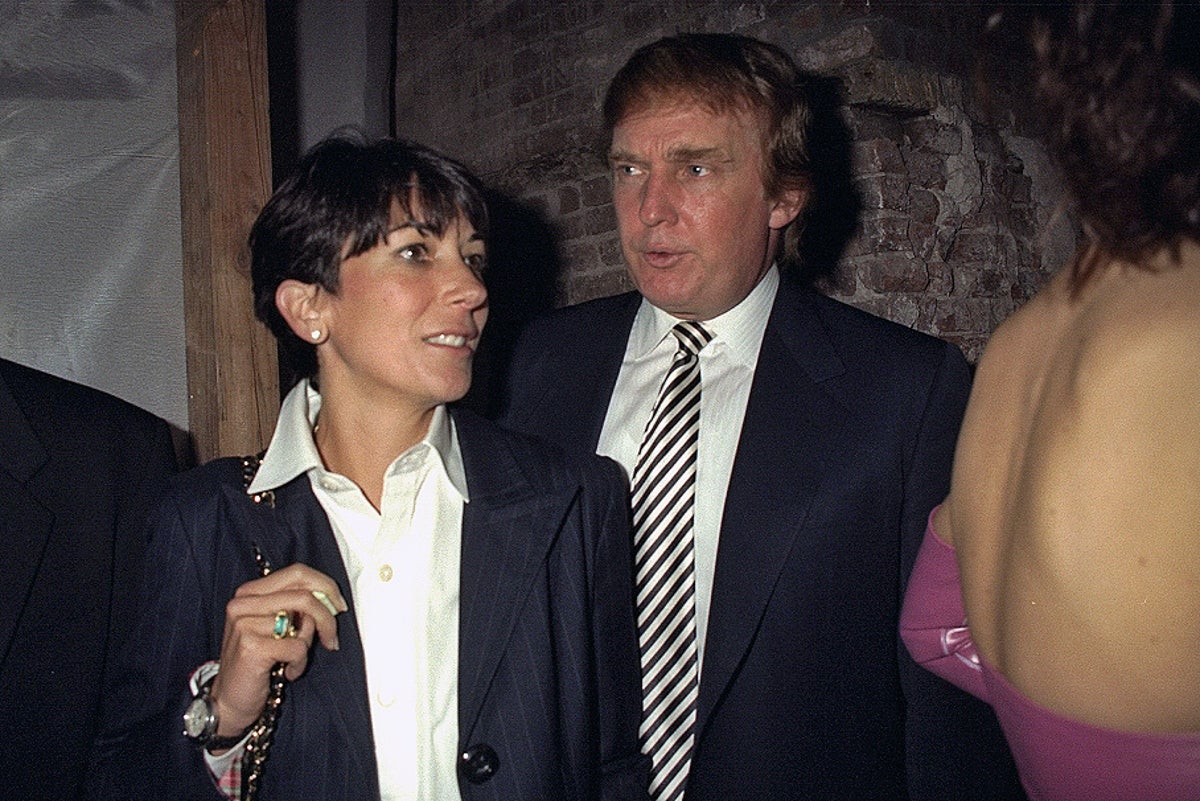
The Complex Legal and Political Landscape Surrounding Ghislaine Maxwell
Ghislaine Maxwell, a former associate of the late Jeffrey Epstein, has been at the center of a high-profile legal and political controversy. Federal prosecutors have alleged that she facilitated and participated in the sexual abuse of multiple young girls between 1994 and 2004, while enjoying a life of luxury and privilege. During this time, Maxwell and Epstein worked together to groom young girls, some as young as 14 years old, and entice them to travel to Epstein’s properties. In a 2021 trial in Manhattan, survivors testified that Maxwell had taken their passports and sexually abused them.
Prosecutors argued that Maxwell played a key role in creating a culture of abuse and silence around Epstein. A federal judge overseeing the case noted that Maxwell was pivotal in the abuse of the victims. Despite being sentenced to 20 years in prison, Maxwell is not scheduled for release until 2040. She has appealed her conviction to the Supreme Court, which the Department of Justice opposes. Legal experts suggest that her best chance for early release is through a presidential pardon.
President Donald Trump, who has a long-standing relationship with Epstein, has not made any negative statements about Maxwell or the jury’s verdict. He has not ruled out the possibility of pardoning her, despite the public scrutiny surrounding his past association with Epstein. This has raised concerns among victims and legal experts alike.
Maxwell's attorney, David Markus, has stated that she would welcome a pardon. However, there are serious questions about whether those involved in her case have considered the impact on the victims. Liz Oyer, a former Justice Department pardon attorney, has criticized the lack of discussion about how victims might feel about these conversations.
Teresa Helm, a survivor who testified against Maxwell, has expressed concern that a pardon would undermine the justice system. Annie Farmer, another witness and Epstein accuser, has warned that pardoning Maxwell would be problematic and a loss for survivors.
On August 11, Maxwell is scheduled to appear for a jailhouse deposition requested by the GOP-led House Oversight Committee. Her attorneys have asked for immunity protections and have also appealed to Trump for clemency. They claim that if she receives clemency, she would be willing to testify openly before Congress. However, critics argue that her claims may not be trustworthy, given her history of lying under oath and failing to show responsibility for her actions.
Democratic Senators Dick Durbin and Sheldon Whitehouse have called for a public commitment from the Justice Department not to advocate for a pardon or commute Maxwell’s sentence. They have also raised concerns about the involvement of Deputy Attorney General Todd Blanche in interviewing Maxwell, rather than the prosecutors who were familiar with the case.
The Trump administration has faced criticism for its handling of the Epstein case, including the firing of Maurene Comey, one of the prosecutors who brought the case against Maxwell. Durbin and Whitehouse warned that Maxwell’s documented record of lying and desire for early release could lead her to provide false information or withhold information in exchange for a pardon.
When charges against Maxwell were first announced in 2020, Trump claimed he wasn’t following the case but wished her well. Later, when asked about pardoning her in exchange for cooperation, he said he was “allowed to do it.” However, he later stated that he couldn’t talk about pardons while Blanche continued to speak with Maxwell.
Maxwell’s trial was seen as a public reckoning against Epstein, who died in his jail cell in 2019 before his own trial. Judge Alison Nathan emphasized that Maxwell was being punished for her role in the abuse, not in place of Epstein.
The case has also been intertwined with wider conspiracy theories, including claims of child trafficking by Democratic figures, which have fueled allegations that the president is involved in a cover-up. The failure to release files related to the Epstein case has further fueled these suspicions.
Elon Musk has amplified allegations that Maxwell intends to implicate Democratic officials in the investigation. Any revelations from Maxwell’s testimony, combined with Trump’s potential pardon, could generate significant political distractions.
A recent report by The Wall Street Journal accused Trump of writing a bawdy birthday card to Epstein, which he has denied. The authenticity of the message and the allegations against Trump remain uncertain, but Maxwell may hold the key to these claims.
In summary, the legal and political landscape surrounding Ghislaine Maxwell is complex and fraught with controversy. The potential for a presidential pardon raises serious concerns about justice, accountability, and the impact on victims. As the situation unfolds, the broader implications for the justice system and public trust remain to be seen.

Post a Comment for "Trump Considers Pardoning Ghislaine Maxwell: Can Trust Be Restored?"
Post a Comment