Trump Cancels U.S.-India Trade Talks Amid Putin Meeting
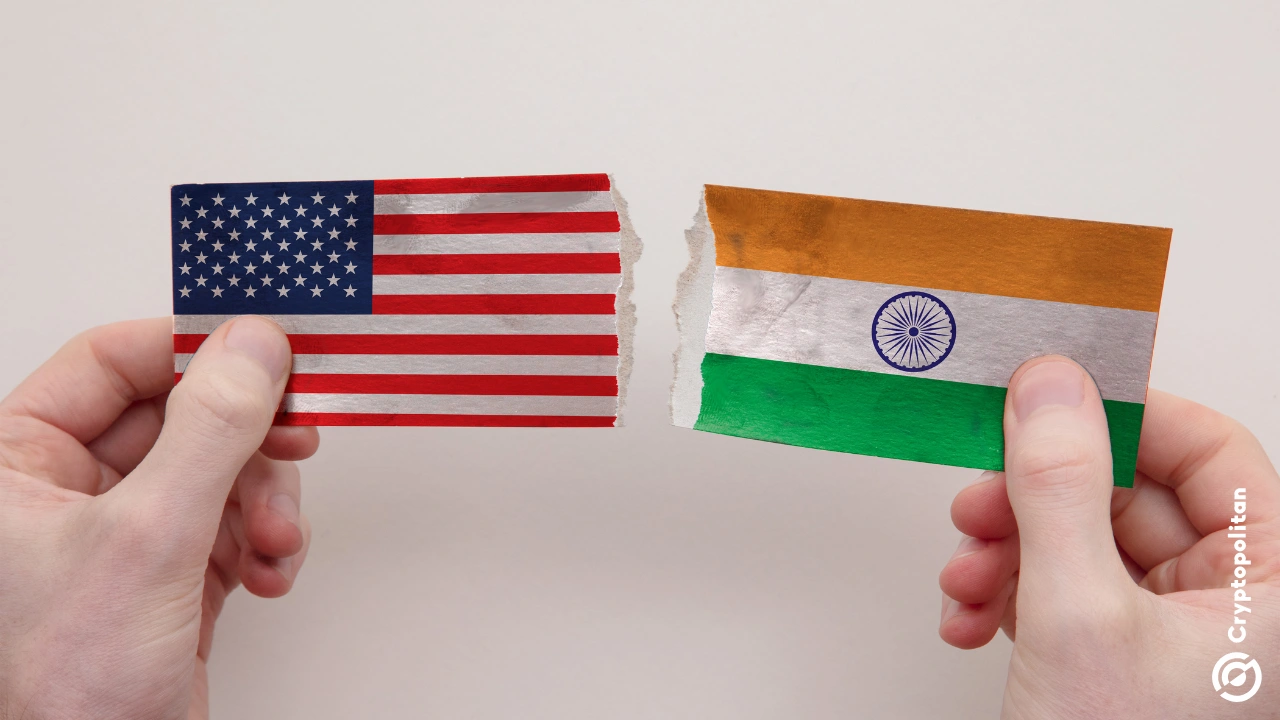
U.S.-India Trade Tensions Escalate as Trump Cancels Key Diplomatic Visit
The United States and India have experienced a significant escalation in trade tensions following President Donald Trump’s decision to cancel a scheduled trade visit to New Delhi from August 25 to August 29. This move came just one day after Trump met with Russian President Vladimir Putin, marking a critical turning point in the already strained relationship between the two nations.
The cancellation of the trade visit has halted progress on a long-standing trade deal that had been stalled for years. It also dealt a blow to Indian exporters who were hoping to avoid the new U.S. tariffs that were set to take effect on August 27. These tariffs, which impose an additional 25% tax on Indian imports, were a direct response to India’s continued purchases of oil from Russia despite U.S. pressure to cut ties with Moscow.
As a result of these new tariffs, some Indian goods will now face a 50% duty, making it one of the highest trade penalties ever imposed on a U.S. trading partner. The imposition of these taxes followed five failed negotiation rounds that repeatedly focused on the same core issues—mainly the need for India to open its farm and dairy sectors, as well as its ongoing oil deals with Russia.
India has not remained silent in the face of this development. The country’s foreign ministry has argued that it is being unfairly targeted, pointing out that other Western nations, including the U.S. and the European Union, continue to engage in trade with Russia. Despite this, Trump proceeded with the tariffs, leaving Indian exporters in a precarious position and facing potential financial losses and uncertainty.
This trade freeze is part of a broader crisis in the U.S.-India relationship, which has been one of the closest partnerships in recent decades. However, the current situation marks one of the most severe downturns in their diplomatic ties, with no clear signs of either side attempting to resolve the conflict.
Modi's Push for Self-Reliance
In response to the deteriorating relationship with the U.S., Prime Minister Narendra Modi has emphasized a shift toward self-reliance. During his Independence Day speech, Modi did not explicitly mention the U.S., but he highlighted India’s commitment to becoming more independent and reducing its reliance on foreign imports.
Modi announced that India’s own semiconductor chips would be available in the market by the end of the year. He stated, “By the end of this year, ‘Made in India’ semiconductor chips will be available in the market,” while wearing the colors of the national flag. This announcement underscores his vision for a more self-sufficient India.
In addition to the semiconductor initiative, Modi pledged to implement major tax reforms by October, focusing on the goods and services tax system. These changes are aimed at benefiting India’s middle class, a crucial voter base for his Bharatiya Janata Party (BJP).
Modi also announced the formation of a new task force dedicated to streamlining outdated regulations, reducing compliance costs, and eliminating legal barriers that hinder business operations. This initiative aligns with his long-term Atmanirbhar Bharat (Self-Reliant India) campaign, which seeks to reduce India’s dependence on external powers.
While there have been some successes, such as Apple shifting some iPhone manufacturing to India, progress has been limited due to government bureaucracy and slow approvals. India aims to reduce its reliance on imports for essential goods like batteries, fertilizers, and energy, but the closure of the U.S. trade door has made this goal significantly more challenging.
Ongoing Communication Efforts
Despite the tensions, Indian officials have expressed a commitment to maintaining communication with the U.S. Sunil Barthwal, India’s commerce secretary, told reporters that “India remains fully engaged with the U.S. in trade negotiations.” However, this statement was made just hours before the U.S. team canceled the visit without providing any explanation.
Experts suggest that the deadlock is not unexpected. C Raja Mohan, a visiting professor at the Institute of South Asian Studies in Singapore, noted that public pressure from Washington is exacerbating the situation. He said, “The Americans are making it very hard for India,” adding that Modi cannot afford to appear as if he is giving in. However, Mohan also pointed out that Modi continues to encourage his team to negotiate in a pragmatic manner.
As the U.S.-India relationship faces its most significant test in years, both sides must find a way to navigate the challenges ahead. For now, the future of their trade and diplomatic ties remains uncertain.

Post a Comment for "Trump Cancels U.S.-India Trade Talks Amid Putin Meeting"
Post a Comment