Travis County Flood Recovery May Affect 2026 Budget
Transitioning to Recovery
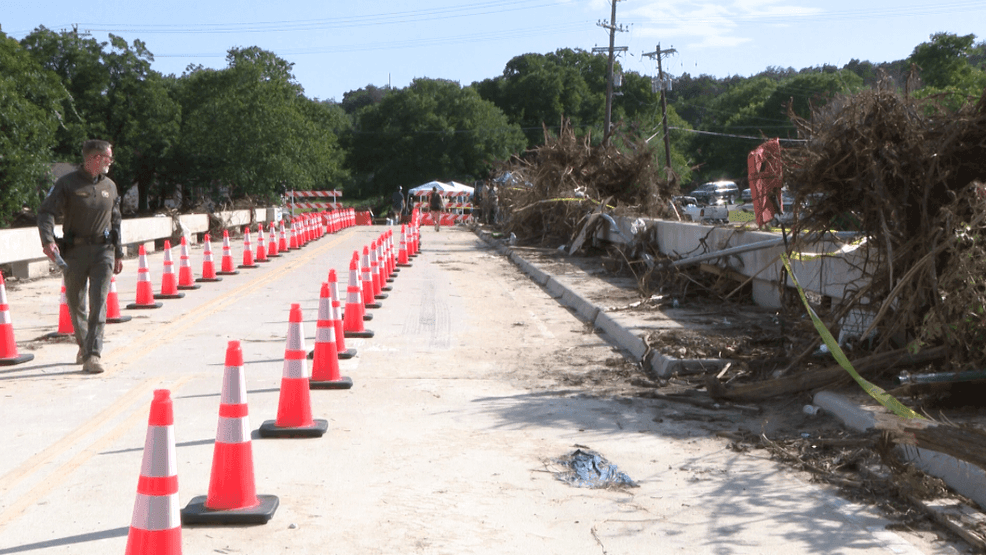
As Travis County moves into the recovery phase following the severe floods that occurred over the July 4th weekend, significant efforts are being made to repair damaged infrastructure. Key areas of focus include Kyle Creek and the Sandy Creek Bridge. However, these restoration projects come with a substantial financial burden.
Charles Brotherton, the Travis County Emergency Services Executive, has expressed optimism about the progress achieved since the flooding event. He noted that the county has transitioned from a response mode to a recovery mode in the affected areas. While there is still work to be done, officials are now in a position to proceed with the necessary repairs.
Repair Efforts at Kyle Creek
Robert Valenzuela, Director of Transportation and Natural Resources, highlighted the ongoing work along Kyle Creek. He mentioned that approximately 11 repair locations have been identified. Additionally, crews are preparing to start work on the Sandy Creek Bridge. Valenzuela explained that two repair options were considered for the bridge. The first option involved repairing the structure in parts, but this was deemed too time-consuming.
Instead, the team has chosen the second option, which involves leaving the bridge in place while supporting additional structures. This approach includes lifting the bridge, making necessary repairs, and repaving the approaches to correct the geometry. According to Valenzuela, this plan is expected to take between 30 and 45 days.
Financial Implications
The extensive repair work, including debris removal, is significantly depleting the county’s emergency reserve. Travis Gatlin, Budget Director for the Travis County Planning & Budget Office, revealed that $4 million was transferred from the emergency reserve on July 8, followed by an additional $3 million on July 15. Currently, less than $2 million remains available.
Gatlin warned that these expenditures will impact the 2026 fiscal budget. Initially, the emergency reserve was set at $15 million in the preliminary budget, but some capital projects had to be removed to accommodate the funds. To address the financial strain, Gatlin and the planning and budget office are proposing a special taxing unit for Tax Year 2025 (Fiscal Year 2026). This would involve a tax rate that is 8% above the No New Revenue Maintenance and Operations Tax Rate.
If approved by the county commission, this initiative could generate $42 million for disaster relief. Gatlin emphasized that these funds would be essential for responding to the July flooding event and for planning future disaster scenarios. Based on his experience living in Austin and dealing with disasters, he noted that such events are becoming more frequent, highlighting the need for preparedness.
Prioritizing Disaster Preparedness
While disaster preparedness programs remain a priority for the county's 2026 fiscal goals, the immediate need to address disaster-related infrastructure is taking precedence. Gatlin stated that the county will need to return to court to secure additional funds for the Big Sandy Bridge and Kyle Creek, as well as other affected areas.
The county is expected to discuss its 2026 fiscal year budget in the coming days, marking an important step in addressing both current and future challenges related to natural disasters.

Post a Comment for "Travis County Flood Recovery May Affect 2026 Budget"
Post a Comment