Trauma Nurse Who Survived Denver Plane Fire Reveals 5 Essential Travel Hacks
Lessons from a Plane Emergency: What to Do and What to Avoid
Emergencies can happen at any time, and being prepared can make all the difference. A recent incident at Denver International Airport highlighted several important lessons that could save time—and even lives—in an emergency. From the way passengers reacted to the situation to the choices they made in their everyday lives, there are valuable takeaways for anyone who travels frequently.
Don’t Waste Time Grabbing Your Luggage
During the emergency evacuation, many passengers were seen trying to retrieve their belongings from overhead bins, which only slowed down the process. According to Danielle Fette, a former trauma unit nurse and passenger on the flight, this was one of the most concerning behaviors she witnessed. “I saw people trying to grab their bags, and even pushing past children in the panic,” she said. As a nurse, her instinct was to get off the plane as quickly as possible to help others. She emphasized the importance of not getting distracted by personal items during an emergency.
Always Wear Sneakers
One of the most practical tips Fette shared is the importance of wearing closed-toe shoes. While many passengers struggled with open footwear like flip-flops, Fette was able to escape quickly because she was wearing sneakers and socks. The runway was extremely hot, and she noted that closed-toe shoes can help prevent burns. “I always wear running shoes and socks. In the past, it was for comfort, and since I’m chronically late, I often have to run through the airport. I never thought it could help me in an emergency,” she said. Her family will now avoid wearing Crocs or flip-flops on flights.
Carry Essentials on Your Body
Fette also stressed the importance of carrying essential items on your person rather than in your carry-on bag. As a frequent flyer, she typically keeps her ID, phone, battery pack, and medications in a cross-body bag stored in the front seat pocket. This allowed her to grab everything quickly during the evacuation without having to search through her luggage. “I saw so many people trying to grab their bags, which delayed the process,” she said. She recommends keeping important items accessible in case of an emergency.
Have a Pre-Flight Ritual
Another lesson Fette learned was the value of preparing before boarding. She now plans to use the restroom and have a snack before flying, something she previously overlooked. “We were on the tarmac for quite some time, waiting for the buses, and kept in quarantine while waiting for our belongings,” she explained. She also added a bonus tip: always label your carry-on with your contact information so airline officials can return your belongings if needed.
Take the Exit Row Disclaimer Seriously
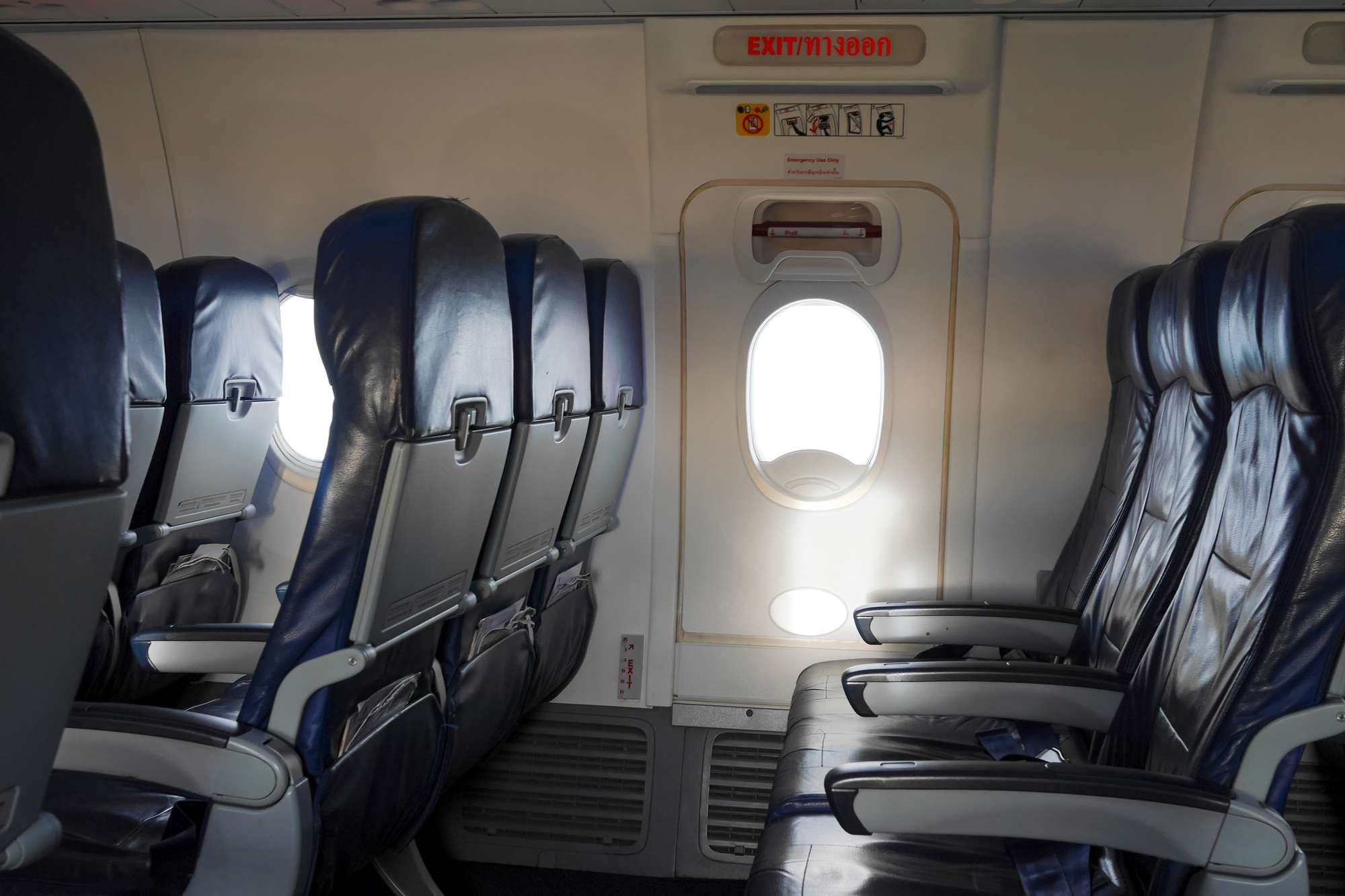
Lastly, Fette urged travelers to think carefully about choosing an exit row seat. While many people choose these seats for extra legroom, she realized the responsibility that comes with them. “I’ll often grab an exit row so I can have extra leg room,” she said. “But after this experience, I’m reevaluating whether I could really push open those doors.” She now questions whether she would be able to act quickly in an emergency if seated in an exit row.
These lessons from a real-life emergency offer valuable insights for anyone who travels. Being prepared, staying calm, and making smart choices can significantly improve safety during unexpected situations. Whether it's choosing the right shoes, packing essentials wisely, or thinking twice about exit row seats, small steps can make a big difference.

Post a Comment for "Trauma Nurse Who Survived Denver Plane Fire Reveals 5 Essential Travel Hacks"
Post a Comment