Top 6 Cat Hairball Solutions for 2025
Understanding Hairballs in Cats
Hairballs are a common issue for cats, especially those with long coats. While small amounts of ingested hair typically pass through the digestive system without problems, excessive hair can accumulate and cause blockages. This can lead to serious health issues, including intestinal obstructions that may require surgical intervention. Therefore, it's crucial to understand how to treat and prevent hairballs effectively.
The Importance of Hairball Remedies
Hairball remedies come in various forms, including gels, foods, treats, and supplements. These products are designed to help hair move more easily through a cat's digestive system. Most contain lubricants or fiber, which aid in the elimination of hairballs. When selecting a remedy, it's important to consider factors such as ingredients, ease of use, and quality certifications like the National Animal Supplement Council (NASC) seal.
Top Picks for Hairball Remedies
Best Hairball Gel Overall:
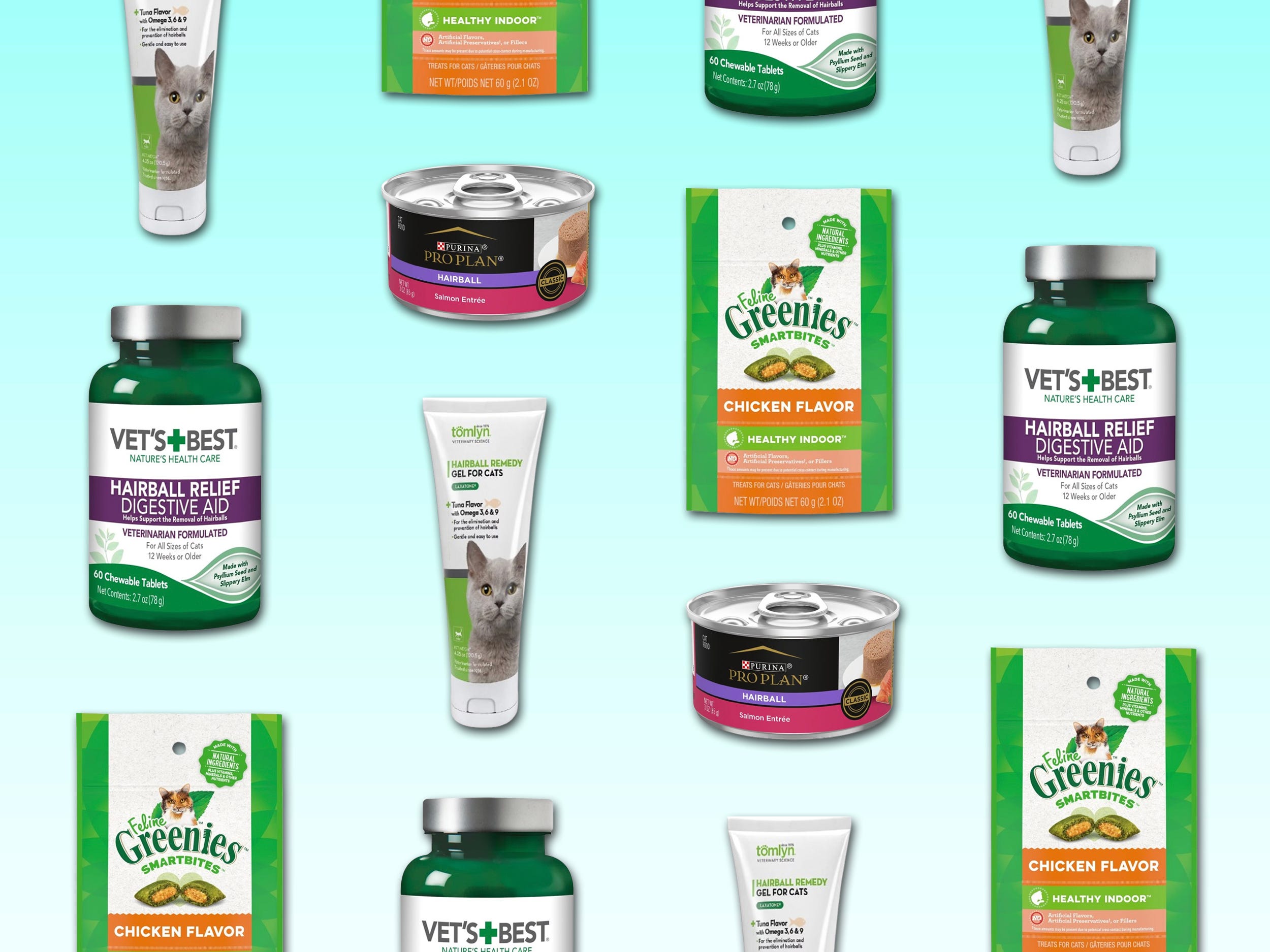
Tomlyn Laxatone Hairball Remedy Gel is highly recommended by veterinarians for its effectiveness. It contains a blend of three gentle lubricants—petrolatum, light mineral oil, and soybean oil—that help hair pass through the digestive tract. Available in flavors like catnip, maple, and tuna, this gel also includes omega fatty acids to support skin and coat health.
Best Non-Petroleum Hairball Gel:
Nutri-Vet Hairball Paw Gel is an excellent alternative for pet owners who prefer to avoid petroleum-based products. It uses natural oils and fiber to help eliminate and prevent hairballs. This gel also contains omega-3 fatty acids for a healthy coat and skin.
Best Hairball Treats:
Feline Greenies Smartbites Healthy Indoor is a top choice for hairball control treats. These treats contain petrolatum and fiber to help reduce hairball formation. They are low in calories and come in chicken and tuna flavors, making them appealing to most cats.
Best Hairball Supplement:
Vet's Best Hairball Relief Digestive Aid is a supplement that supports digestion and helps prevent hairballs. It contains fiber, probiotics, and natural ingredients like marshmallow root and slippery elm bark. This supplement is free from petroleum-based ingredients and comes in a chicken flavor.
Best Dry Hairball Control Food:
Iams Proactive Health Indoor Weight and Hairball Care is a budget-friendly option that contains extra fiber to aid digestion. It also includes omega fatty acids for a healthy coat and skin.
Best Wet Hairball Control Food:
Purina Pro Plan Hairball Adult Wet Cat Food is ideal for cats that primarily eat wet food. It has the highest fiber content among canned hairball formulas and comes in multiple flavors.
What to Look for in Hairball Remedies
When choosing a hairball remedy, consider your cat's preferences and any medical conditions they may have. Some cats may refuse certain types of remedies, so it may take some trial and error to find what works best. Always follow the instructions on the product label and consult with your veterinarian if you have concerns.
Types of Hairball Remedies
Hairball Gels:
These are given daily to eliminate current hairballs or a few times a week to prevent new ones. They often contain petroleum or mineral oil for lubrication.
Hairball Foods:
Specially formulated diets contain extra fiber to support digestion. Both dry and wet options are available.
Hairball Treats:
These treats usually contain fiber and sometimes lubricating ingredients. They are typically given daily.
Hairball Supplements:
Designed to support digestive health and prevent future hairballs, these supplements do not eliminate existing hairballs.
How We Selected the Best Hairball Remedies
Our selection process involved researching various products and consulting with veterinary experts. We prioritized products with the NASC quality seal, which indicates compliance with rigorous standards. While our experts provided valuable insights, they did not endorse specific products unless explicitly stated.
Frequently Asked Questions About Hairballs
Why do cats get hairballs?
Cats ingest hair while grooming themselves. Their tongues have tiny spikes that trap loose hair, which they then swallow. Since cats cannot digest hair, it must pass through their digestive system.
Is it normal for cats to throw up hairballs?
Occasional hairballs are normal, but frequent vomiting could indicate a problem. If your cat vomits hairballs weekly or daily, it's advisable to consult a veterinarian.
Can hairballs be dangerous?
Yes, if hair becomes lodged in the intestines, it can cause a life-threatening obstruction. Symptoms include vomiting, lethargy, and loss of appetite.
What should you do if your cat is throwing up hairballs?
Schedule a vet appointment to address the issue. Frequent hairballs may indicate an underlying condition, such as a skin problem causing over-grooming.
How can you prevent hairballs?
Regular brushing is the most effective method. Shaving your cat may also help, but other measures like hairball foods and treatments may still be necessary.

Post a Comment for "Top 6 Cat Hairball Solutions for 2025"
Post a Comment