Top 12 Adorable Birds of America
The Definition of Cute: A Subjective Perspective
What makes something cute? It's a question that has no definitive answer. What one person finds adorable, another might not even notice. This subjectivity is especially true when it comes to defining cute birds. People have different tastes and preferences, which means the list of "cute" birds can vary widely depending on who you ask. To get a better sense of what people consider cute, an online poll was conducted, asking readers to vote on their favorite adorable birds in America. While beauty is in the eye of the beholder, these small, charming birds are sure to bring a smile to your face.
Northern Cardinal
Male northern cardinals are known for their striking red plumage, but female cardinals are just as endearing. Their subtle pinkish hues give them a soft, delicate look. These birds prefer platform feeders where they can easily access black oil sunflower and safflower seeds. If you don’t have extra space for a feeder, adding a tray to the bottom of your tube feeder can provide a perch for cardinals to eat comfortably.
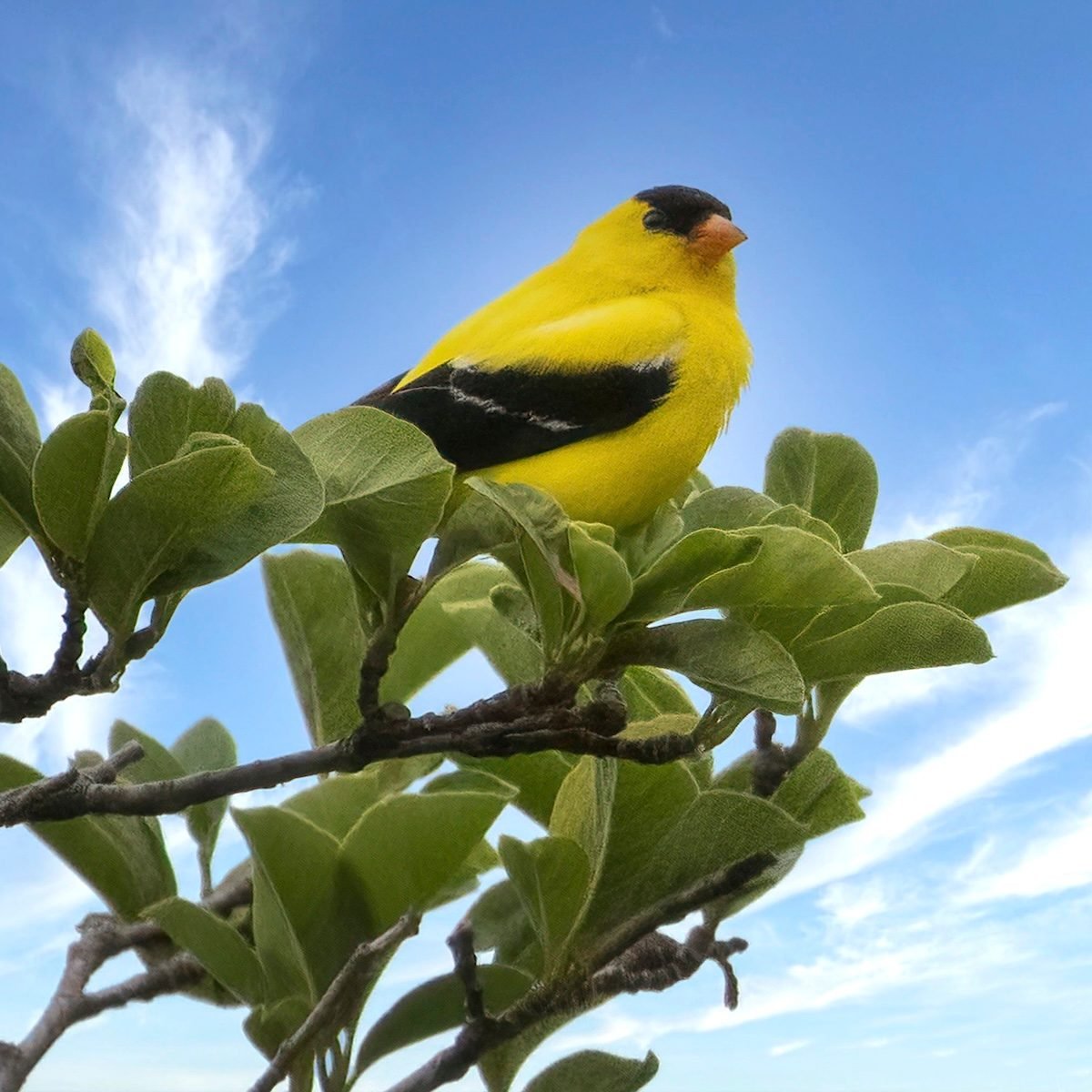
American Goldfinch
Goldfinches are bright and cheerful, glowing like beams of sunshine during the summer months. In winter, they transition to a rich olive green color. These birds are the state bird of Iowa, New Jersey, and Washington. They are particularly attracted to thistle seed, which can be placed in a tube or sock feeder. However, thistle seeds tend to dry out if stored for too long, so it’s best to buy smaller bags rather than stock up.
Backyard Tip
Using an upside-down thistle feeder can help keep goldfinches around while keeping larger, more aggressive birds away.
Ruby-Crowned Kinglet
These tiny birds resemble feathered ping-pong balls with toothpick-like legs. They move quickly, flitting from branch to branch and constantly flicking their wings. Ruby-crowned kinglets are most visible in winter along the coasts and throughout the southern states, but they also migrate to other areas. Although they primarily eat insects, they occasionally nibble on suet cakes. Their bold white eye-rings add to their charm, and their red crown feathers are usually hidden among their gray plumage.
Indigo Bunting
The male indigo bunting is one of the most vibrant blue birds found in nature, almost iridescent in appearance. Females are duller in color but can still be identified by their thicker bills. These migratory birds are common in the eastern United States during late spring and summer. To attract them to your yard, try offering white millet seed.
Ruby-Throated Hummingbird
Hummingbirds are hard to resist, and the ruby-throated hummingbird is no exception. These tiny birds, measuring 3 to 4 inches in length, are universally considered cute. To attract them, offer sugar water and grow nectar-rich flowers in your garden.
Dark-Eyed Junco
Known as snowbirds across much of North America, dark-eyed juncos are a sign of winter and holiday cheer. Once thought to be separate species, all types of juncos are now classified as dark-eyed juncos. Most have pink bills, and their white outer tail feathers flash as they fly by. These birds use brush piles for cover and feed on birdseed scattered directly on the ground.
Eastern Bluebird
Eastern bluebirds are beautifully patterned with rusty maroons against brilliant blues. They often perch in open areas and can be attracted to backyards by setting up nesting boxes. You may even spot fledglings in the summer. If bluebirds are present in your neighborhood but not in your yard, they might take mealworms from a feeder. Native landscapes with fruiting trees can also attract them.
Northern Saw-Whet Owl
Despite its name, the northern saw-whet owl is anything but menacing. These tiny owls, standing about 8 inches tall, have oversized, endearing eyes. Their calls sound like a gentle “toot, toot, toot.” The alarm notes of songbirds can sometimes lead you to a roosting saw-whet owl in dense conifer stands. You might also see them at banding programs, where researchers study their distribution in northern and western forests.
Yellow Warbler
Yellow warblers are known for their cheerful “sweet, sweet, sweet” songs. Males have a lemon-yellow hue with orange streaks on their chests, while females are softer in color. These birds primarily feed on insects and are rarely seen at feeders. To attract them, add a water feature like a bird bath or a natural-looking pond with flowing water.
Downy Woodpecker
The smallest of the woodpeckers, downy woodpeckers are familiar backyard visitors across the country. Despite their delicate appearance, they are strong enough to chisel out cavities in tree trunks. They eat a variety of foods, including seeds, fruits, and insects, and visit suet feeders year-round. High-fat suet is especially important during the winter months.
Black-Capped Chickadee
Chickadees are known for their cheerful voices and bold personalities. Laura Erickson, a scientist and nature personality, once said, “I think that I shall never see a poem as cute as a chickadee.” Carolina chickadees, nearly identical to black-capped chickadees, are found in the southeastern U.S. These enthusiastic eaters can sometimes be coaxed into eating seeds right out of your hand.
Tufted Titmouse
Tufted titmice have a distinctive crest that adds flair to their appearance. Both sexes look stylish with their pale faces and vibrant black eyes. These birds are common in the East and readily eat sunflower seeds. Watching them tackle whole peanuts in the shell is a fun sight to behold.
Honorable Mentions
While these birds didn’t make the cutest list this year, they are still worth a look: wood duck, scarlet tanager, Atlantic puffin, broad-billed hummingbird, painted bunting, snowy owl, cedar waxwing, Baltimore oriole, American kestrel, northern flicker, tree swallow, western tanager, Blackburnian warbler, blue grosbeak, and vermilion flycatcher.
Additional contributor: Stacy Tornio

Post a Comment for "Top 12 Adorable Birds of America"
Post a Comment