Top 10 Must-See Period Films from the Past 50 Years
The Timeless Power of Period Dramas
Period dramas have the unique ability to transport viewers to different eras, making history feel alive and emotionally resonant. These films go beyond mere costume design and set pieces; they use historical settings as a lens to explore timeless themes like obsession, power, and ambition. Over the decades, directors have crafted stories that span from the opulent courts of the 19th century to the gritty oil fields of early 20th-century America. Some are grand epics, while others are intimate and deeply moving. All of them remind us that history is not as distant or tidy as we might think.
The Age of Innocence (1993)
Directed by Martin Scorsese, The Age of Innocence is a masterclass in emotional storytelling. Set in 1870s New York high society, the film follows Newland Archer, played by Daniel Day-Lewis, as he navigates the constraints of duty, reputation, and forbidden love. The meticulous attention to detail—corsets, silverware, opera boxes—creates a world that feels both beautiful and suffocating. Scorsese's camera moves through this society like an anthropologist, capturing a world obsessed with appearances where love is stifled before it can flourish. Michelle Pfeiffer and Winona Ryder deliver standout performances, embodying the tension between freedom and tradition.
Lincoln (2012)
Steven Spielberg’s Lincoln is a political thriller that brings the 16th president to life with nuance and depth. Daniel Day-Lewis portrays Abraham Lincoln with quiet command, showing a leader who is both shrewd and manipulative. The film focuses on the process of passing the 13th Amendment, highlighting the backroom deals and compromises that shaped history. Spielberg's restrained visuals and intelligent dialogue make the film both intimate and monumental. It’s a powerful reminder that even the most iconic moments in history are often built on messy negotiations.
The Favourite (2018)
Yorgos Lanthimos’ The Favourite is a wild and unpredictable take on the court of Queen Anne. The film centers on a vicious love triangle between the monarch, her advisor, and a social climber. Unlike traditional period dramas, Lanthimos leans into psychological warfare, toxic relationships, and dark humor. Olivia Colman delivers a haunting performance as a queen crumbling under pressure, while Emma Stone and Rachel Weisz bring intensity to their roles. The cinematography, with its fisheye lenses and natural light, adds to the claustrophobic atmosphere of the palace.
Gangs of New York (2002)
Another Scorsese masterpiece, Gangs of New York plunges viewers into the violent streets of 1860s Manhattan. The film explores themes of race, class, and identity through the story of Bill the Butcher, played by Daniel Day-Lewis, and Amsterdam Vallon, portrayed by Leonardo DiCaprio. The film is messy and sprawling, but that’s part of its charm. It captures the brutal reality of immigrant gangs and nativist violence, offering a raw look at the roots of American ambition and conflict.
Cold War (2018)
Paweł Pawlikowski’s Cold War is a jagged, elliptical love story set in post-war Europe. The film follows the doomed relationship between two musicians, Wiktor and Zula, as their love is tested by politics, pride, and self-destruction. Shot in black and white, the film uses stark imagery to convey emotional violence beneath every interaction. The Cold War setting isn’t just a backdrop—it’s a character in itself, shaping the lives of those caught in its grip.
Days of Heaven (1978)
Terrence Malick’s Days of Heaven is a visual masterpiece that captures the beauty and tragedy of human relationships. Set in the Texas Panhandle, the film follows a fugitive laborer, his girlfriend, and a dying farmer in a doomed love triangle. Every frame feels like a painting, with Néstor Almendros’ cinematography capturing the vastness of the landscape. The narration, delivered with childlike detachment, adds a mythic quality to the story, making the characters’ struggles feel both inevitable and small against the scale of nature.
Barry Lyndon (1975)
Stanley Kubrick’s Barry Lyndon is a visually stunning and emotionally cold exploration of ambition and downfall. The film follows Redmond Barry, a petty opportunist who rises to the aristocracy only to lose everything. Kubrick’s meticulous composition and use of natural light give the film the texture of an 18th-century painting. Yet beneath the beauty lies a brutal narrative, where betrayal and bad decisions lead to a slow moral disintegration.
Portrait of a Lady on Fire (2019)
Céline Sciamma’s Portrait of a Lady on Fire is a delicate and emotionally devastating study of longing and loss. Set in 18th-century France, the film follows a painter and the woman she is hired to paint. Their relationship evolves from reluctant observation to romantic obsession, with silence and subtle gestures carrying deep weight. The film avoids clichés, focusing instead on the quiet, slow burn of two women falling in love with the knowledge that their time together is limited.
Amadeus (1984)
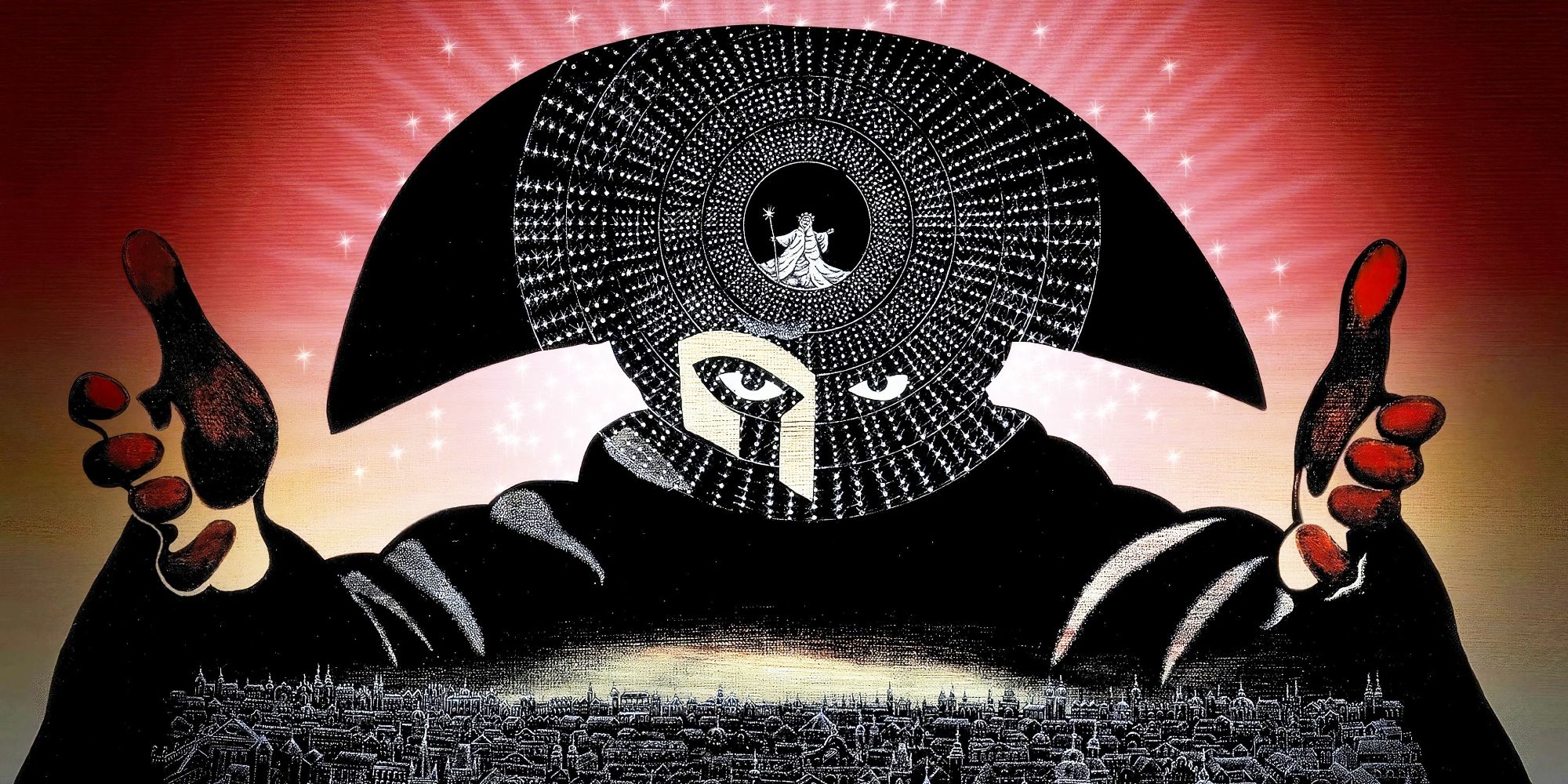
Miloš Forman’s Amadeus turns history into a dramatic opera, exploring the jealousy and admiration of Salieri for Mozart. The film blends historical events with psychological realism, creating a sweeping narrative that highlights the contrast between genius and mediocrity. The lavish costumes, music, and court politics serve as a backdrop for Salieri’s internal collapse, turning his envy into a slow-burn tragedy.
There Will Be Blood (2007)
Paul Thomas Anderson’s There Will Be Blood is a primal scream disguised as a historical epic. Daniel Day-Lewis delivers a career-defining performance as Daniel Plainview, a ruthless oil tycoon driven by ambition and greed. The film’s meticulous period detail and atmospheric visuals create a sense of dread that builds throughout. By the end, the story transforms into an operatic tragedy, exploring the cost of unchecked ambition and isolation.

Post a Comment for "Top 10 Must-See Period Films from the Past 50 Years"
Post a Comment