Three Things Every Coffee Lover Should Know Before Buying a Coffee Maker
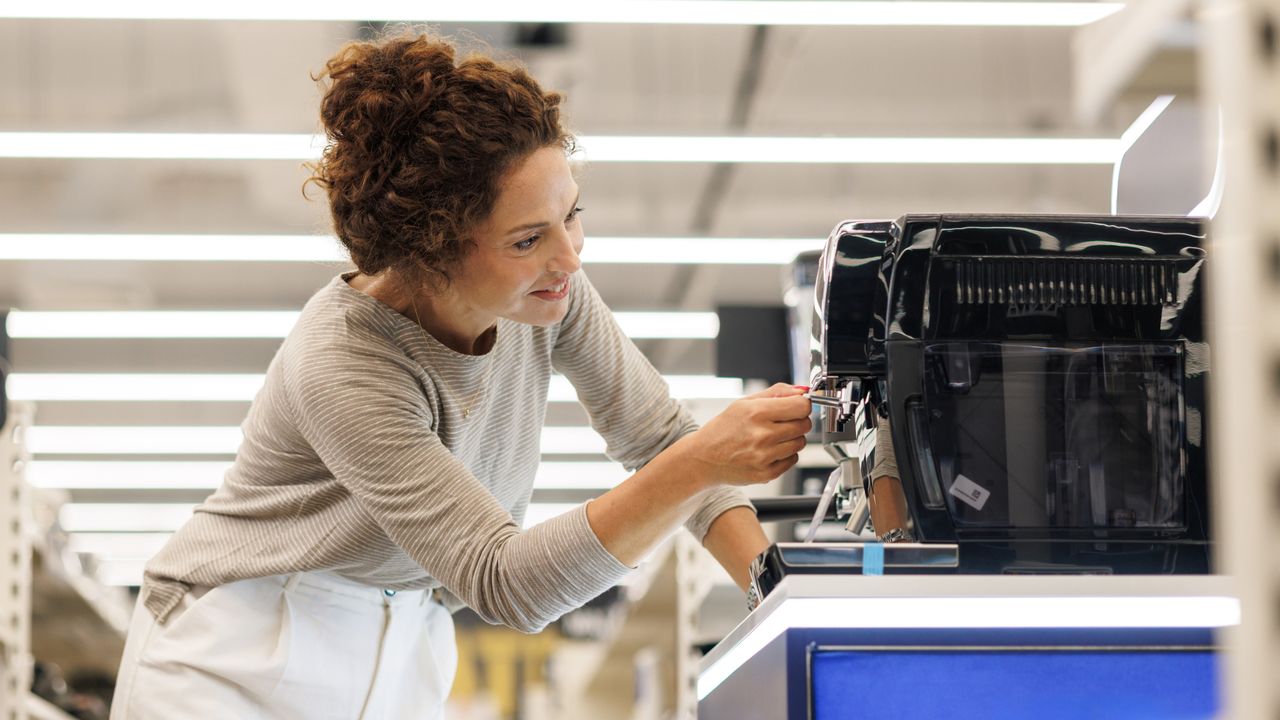
Understanding the Key Factors When Choosing a Coffee Maker
When testing coffee makers, it's essential to recognize signs that indicate a machine might not perform well. While many top-rated models consistently deliver great results, there are several aspects to consider when exploring alternatives, especially from lesser-known brands.
One of the most critical factors is consistency. A reliable coffee maker should produce the same quality shot every time, even with identical settings. If one cup is exceptional and the next is underwhelming, it could signal underlying issues. Without the ability to adjust variables like grind size or brewing temperature, it becomes challenging to troubleshoot problems or predict future performance.
The Role of Temperature Control
Temperature plays a significant role in the flavor of your espresso. Higher heat can lead to faster extraction, resulting in different outcomes even with the same beans and grind size. To maintain stable temperatures, many modern machines use PID controllers, which continuously monitor and adjust the boiler’s heat. This ensures a consistent brewing environment.
However, the boiler isn't the only component to consider. The group head, which channels hot water through the coffee grounds, can also affect temperature stability. Some high-end machines feature dual heating elements—one for the boiler and another for the group—to maintain uniform heat throughout the brewing process. Flushing the group head with hot water before brewing can help mitigate temperature fluctuations.
The Importance of a Quality Grinder
For espresso, the grind must be fine and consistent. Lower-end machines often use blade grinders, which chop beans unevenly, leading to inconsistent results. Instead, look for machines with burr grinders, which crush beans between two rotating surfaces (either conical or flat). Flat burrs typically provide more uniform grinding but are pricier and less common in entry-level models.
Material also matters. Stainless steel burrs are sharper initially and grind faster, while ceramic burrs retain sharpness longer and don’t heat up as quickly. However, they require careful maintenance to avoid damage from debris.
If you find your espresso consistently under-extracted, switching to a high-quality standalone grinder might improve results, provided it has a chute for ground coffee.
Maintenance and Longevity
Proper maintenance is crucial for any coffee maker, especially bean-to-cup models. These machines require regular cleaning to prevent mold growth, which thrives in warm, moist environments. Daily tasks like emptying the used grounds container and drip tray, washing them, and allowing them to air dry are essential.
Access to internal components, such as the brew unit and grinder, is also important. Some machines allow easy disassembly for thorough cleaning, while others may not. Features like rinsing and descaling programs are standard, but the ability to completely evaporate water from the system is a rare yet valuable feature that helps prevent mold.
Additional Tips for Coffee Enthusiasts
Maintaining a clean and well-functioning coffee maker enhances the overall experience. Whether you're using an automatic model or a manual one, understanding how to care for your equipment can make a significant difference in the quality of your brews.
For those interested in alternative options, there are various toxin-free coffee makers available, including BPA-free, glass, and metal models. Some innovative designs even push the boundaries of traditional coffee making, such as a motorcycle engine-inspired coffee maker.
If you're looking for a reliable drip coffee maker, certain models stand out for their performance and ease of use. Exploring these options can help you find the perfect fit for your lifestyle and preferences.

Post a Comment for "Three Things Every Coffee Lover Should Know Before Buying a Coffee Maker"
Post a Comment