"They're Not Going to Live Normally": A Looming Health Crisis Hits California
The Rise of Valley Fever in California
Over the past 25 years, cases of Valley fever in California have surged by more than 1,200%, according to recent reports. This rare but potentially life-threatening disease is caused by inhaling spores from the Coccidioides fungus, which naturally occurs in the soil of certain regions.
In 2000, there were fewer than 1,000 reported cases in California. However, this year, the California Department of Public Health anticipates that the number of cases will exceed last year’s record of over 12,500. The increase has raised significant concerns among health experts and researchers.
Climate Change and Fungal Growth
Shaun Yang, director for molecular microbiology and pathogen genomics at the UCLA Department of Pathology and Laboratory Medicine, explains that the recent rise in cases is closely tied to climate change. He notes that milder and wetter winters in California allow the fungus to thrive underground without being killed off by frost.
“This kind of very wet and dry pattern definitely is perfect for this fungus to grow,” Yang said. “Climate change has supercharged years of drought and rainfall, and these changes may be a big reason for the spike in cases.”
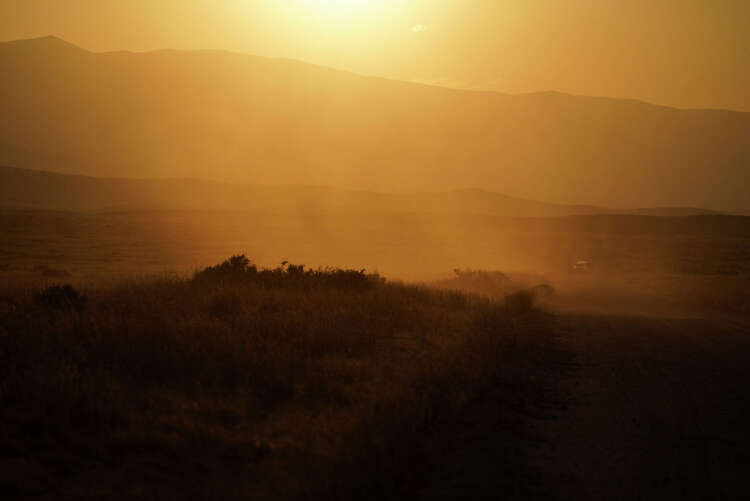
During dry periods, the spores spread as dust and soil are disturbed by construction, agriculture, or wind. Yang's lab used to see about one case of Valley fever per month, but now it often sees five cases, including occasional pediatric cases.
Impact on Children and Long-Term Effects
When children contract severe Valley fever, the infection can spread to the bones, requiring long-term treatment. “They're not going to live normally,” Yang explained. The disease can cause severe fatigue, cough, fever, night sweats, and muscle pain, lasting weeks or even months. In severe cases, the spores can disseminate throughout the body, infecting the bones, brain, or skin.
According to the California Department of Public Health, 1 out of 10 people hospitalized for Valley fever dies from the disease. While many people may not get sick or experience mild symptoms, the actual number of cases is likely much higher due to underreporting. Yang estimates that the true number could be 10 to 18 times higher than what is officially recorded.
Risk Factors and Prevention
People most at risk for developing Valley fever include those who live or work in agriculture or construction in endemic areas. Individuals over 60, pregnant women, people with diabetes, and those with weakened immune systems are also more vulnerable to serious or debilitating symptoms if they contract the disease.
Dr. John Galgiani, director of the University of Arizona Valley Fever Center for Excellence, suggests that part of the increase in reported cases may be due to streamlined reporting processes. Previously, patients had to be tracked down to confirm their symptoms before their cases were reported. Now, that requirement has been relaxed.
Galgiani cautions that while cases have increased, they are still variable, and sometimes annual numbers dip below previous levels. “The fact that it looks higher now doesn’t mean it’s going to be even higher next year,” he said.
Future Concerns and Recommendations
Galgiani also warns that climate change could push the fungus into new areas across the western United States, potentially reaching as far as the Canadian border. He emphasizes the importance of early detection and testing, especially for those who live in or have visited endemic regions.
“If you think you could be at risk and start to get symptoms, you should get tested,” Galgiani advised. For example, if someone experiences pneumonia-like symptoms in Bakersfield or other endemic areas, they should seek medical attention.
Conclusion
Valley fever is a growing public health concern in California, driven by climate change and environmental factors. As the disease continues to spread, understanding its risks and taking preventive measures becomes increasingly important. With ongoing research and improved awareness, health officials hope to better manage and mitigate the impact of this fungal infection.

Post a Comment for ""They're Not Going to Live Normally": A Looming Health Crisis Hits California"
Post a Comment