They Tried to Break Lucy Connolly, but Britain Stands With Her
A Year of Anger and Consequence
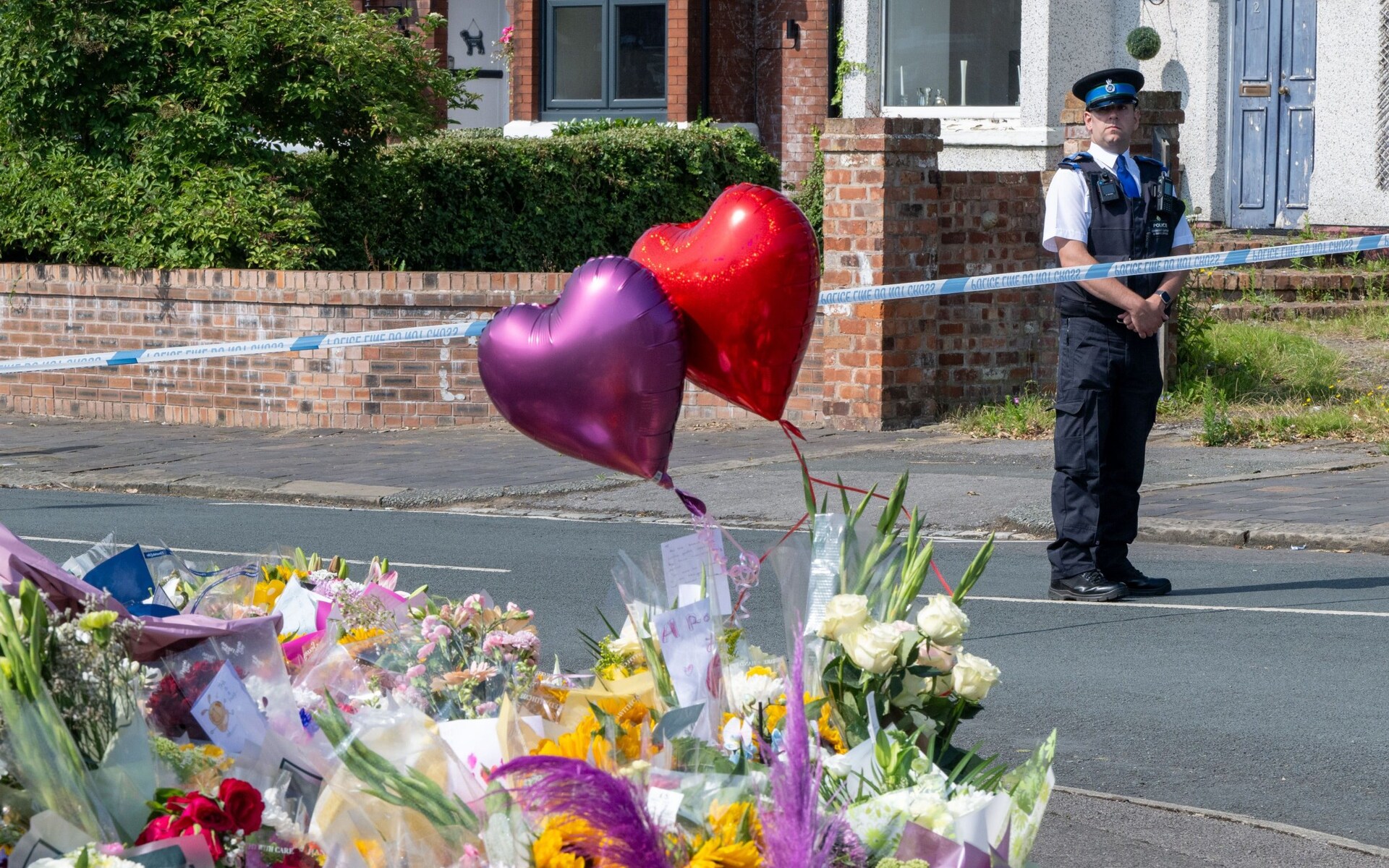
Exactly one year has passed since the tragic massacre in Southport, where three young girls were murdered and several others injured at a Taylor Swift dance club. The attack, which shocked the nation, was initially described by authorities as unrelated to terrorism. However, many questioned this narrative, especially given the nature of the crime and the fact that the killer had been linked to Islamic State threats against pop stars. This led to speculation that the perpetrator may have been influenced by extremist ideologies.
Lucy Connolly, a childminder from Northampton, found herself at the center of a national debate after she posted a tweet expressing her outrage. Her message, which called for “mass deportation” and even suggested setting fire to migrant hotels, was met with immediate backlash. Within hours, she deleted the post and later apologized, claiming she was overwhelmed by grief and anger. Despite this, she was arrested and charged with inciting racial hatred.
The legal system's response to Lucy’s case was swift and severe. She was denied bail twice, despite having no prior criminal record, and eventually pleaded guilty under pressure. Her 31-month prison sentence sparked controversy among legal experts, who argued it was disproportionately harsh. Many believed the case was intended as a warning to others who might express concerns about immigration.
Lucy’s story became a symbol of the growing divide in British society. While some saw her as a voice for those worried about the impact of uncontrolled migration, others viewed her as an example of the dangers of inflammatory rhetoric. The media and government quickly labeled her as a “racist,” reinforcing a narrative that sought to suppress dissenting views.
Rising Tensions and Protests
In the months following the Southport attack, public anger over immigration has only grown. Communities across the UK, from Bournemouth to Norwich, have seen protests outside migrant hotels, where residents express their fears about the safety of their children. These gatherings have become increasingly common, fueled by reports of crimes committed by undocumented migrants.
In Epping, for example, a local Ethiopian man was accused of sexually assaulting a 14-year-old girl just days after arriving in the UK. This incident, along with a rise in crime in the area, has led to widespread concern among residents. Many feel that the government has failed to protect them from what they see as a growing threat.
Protesters argue that these demonstrations are not driven by racism but by a desire to protect their communities. Orla Minihane, a Reform UK council candidate, has spoken out against the media’s portrayal of such groups as “far-Right.” She insists that the people involved are ordinary citizens who have had enough of what they see as unchecked immigration and its consequences.
Political and Legal Controversies
The case of Lucy Connolly has also highlighted broader issues within the UK’s political and legal systems. Critics point to the stark contrast between her sentencing and that of other high-profile cases. For instance, a former Labour MP who admitted to physically assaulting a constituent received a lenient sentence, while Lucy, who made a single controversial tweet, faced a lengthy prison term.
This disparity has led to accusations that the government is selectively targeting individuals who speak out against immigration. The use of the Online Safety Act to monitor and censor online discussions has further fueled concerns about free speech. Platforms like X have been criticized for removing content related to immigration, including videos of MPs discussing issues like grooming gangs.
A Changing National Conversation
Despite the controversies, the conversation around immigration and national identity has shifted significantly over the past year. Lucy’s words, once dismissed as extreme, now resonate with many who feel unheard. The phrase “If that makes me racist so be it” has become a rallying cry for those who believe the government has failed to address their concerns.
Political figures like Nigel Farage have echoed these sentiments, blaming rising crime rates on unchecked immigration. Meanwhile, public support for parties like Reform UK, which oppose large-scale immigration, has grown. Polls show that opposition to immigration is now at 75%, reflecting a deepening divide in the country.
As Lucy Connolly awaits her release, her story continues to inspire debate and action. Many believe she will be celebrated as a hero when she walks free, representing the voices of millions who feel their concerns have been ignored. The question remains: how long can the government continue to suppress these voices before the tide turns?

Post a Comment for "They Tried to Break Lucy Connolly, but Britain Stands With Her"
Post a Comment