The ultimate guide to nipple shields and groundbreaking tech advances
Understanding Nipple Shields and Their Role in Breastfeeding
If you’re experiencing discomfort while breastfeeding, issues with your baby’s latch, or concerns about whether your baby is getting enough milk, you’re not alone. These challenges are common during the early weeks of nursing, and there are tools available that can make a significant difference. One such tool is the nipple shield, which has evolved over time to become a more effective and confidence-building aid for nursing mothers.
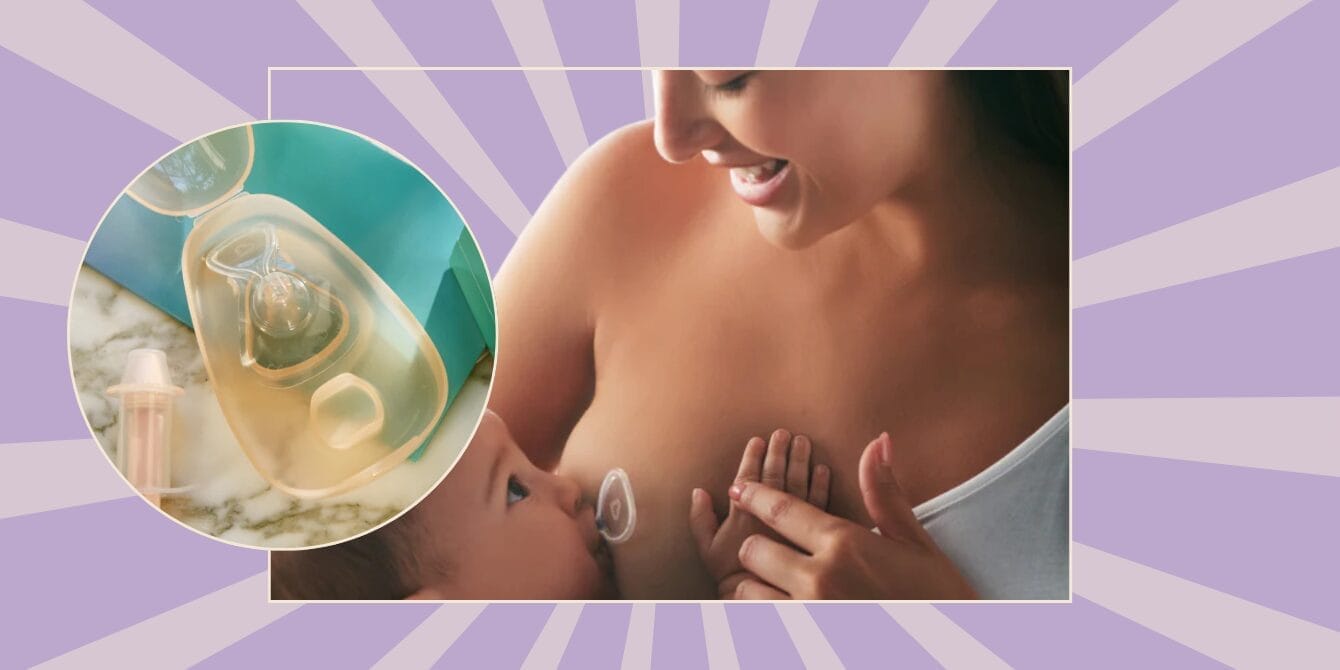
Nipple shields are thin, flexible covers made of silicone that fit over the nipple and areola during breastfeeding. Unlike older, thicker versions, modern shields are designed to be ultra-thin and barely noticeable once your baby latches on. They serve as a gentle intermediary between mother and baby, helping with latch difficulties, reducing pain, and offering reassurance during those uncertain early days of nursing.
When Nipple Shields Are Most Useful
Dr. Mona Amin, a board-certified pediatrician and breastfeeding advocate, explains that nipple shields can be especially helpful for mothers facing specific challenges. These include:
- Struggling with latch issues, particularly with flat or inverted nipples
- Experiencing “nipple trauma phobia,” where mothers worry about their baby irritating their nipples
- Facing pain that makes direct latching difficult
- Feeling anxious about whether their baby is receiving enough milk, even after working with a lactation consultant
- Having early weight gain concerns and needing extra reassurance during feeds
- Supplementing but wanting to maintain at-breast feeding
However, it’s important to note that not every mother-baby pair needs a nipple shield. If latch and milk transfer are already going well, there may be no benefit to using one.
The Revolutionary Change: Visual Milk Transfer Confirmation
One of the most exciting developments in nipple shield technology is the ability to see milk transfer in real time. Traditional shields have been passive tools, offering support for latch and pain relief without feedback on what’s happening during a feed. Now, innovations like the Munchkin Flow Nipple Shield+ feature a built-in milk channel that allows mothers to observe their milk moving as their baby nurses.
“This visual confirmation changes the game,” Dr. Amin explains. “It helps reduce one of the biggest stressors for new mothers: ‘Is my baby getting milk?’” From a clinical perspective, this feature provides tangible, instant feedback that can offer peace of mind and help mothers feel more confident in their breastfeeding journey.
The Impact of Confidence on Breastfeeding Success
Confidence plays a crucial role in successful breastfeeding. Stress and doubt can affect milk production and the overall effectiveness of feeds. When a mother sees milk flowing during a feed, it removes some of the guesswork and helps her relax. This relaxation can lead to better oxytocin release, supporting milk ejection and making feeds more productive.
Studies of the Munchkin Flow Nipple Shield+ show that 87% of mothers continued breastfeeding at 12 months, compared to the national average of just 39.5%. This highlights how visual confirmation can create a positive ripple effect, increasing the likelihood that mothers will continue breastfeeding when they feel secure in their ability to nourish their baby.
Understanding What You’re Seeing: Normal vs. Concerning Patterns
Visual confirmation doesn’t just provide reassurance—it also helps mothers understand normal feeding patterns versus potential concerns. Dr. Amin notes that seeing milk flow intermittently, especially in the early weeks, is often completely normal since letdowns come in waves. However, if there’s no visible movement despite good latch and suckling, it could indicate a possible supply or transfer issue worth investigating with a lactation consultant.
The key is that visual confirmation gives mothers one more piece of information to pair with other clinical indicators like weight gain, diaper counts, and feeding behavior.
When Not to Use a Nipple Shield
While nipple shields can be incredibly helpful, they aren’t right for every situation. Dr. Amin would avoid recommending a shield if:
- The baby has a cleft lip or palate that prevents effective suction
- There’s a significant tongue tie or oral restriction that needs addressing first
- The mother has a well-established, pain-free latch and strong supply—adding a shield wouldn’t improve outcomes
- The shield is being used as a substitute for getting needed lactation support for persistent issues
Proper Use and Transition
Getting the right fit is crucial for both comfort and effectiveness. Nipple shields come in different sizes, typically ranging from 16mm to 24mm. The shield should fit snugly over your nipple without being too tight or too loose. Proper positioning involves centering the shield over your nipple, ensuring it adheres well to your skin, and helping your baby latch onto the shield just as you would for direct breastfeeding.
Monitoring effectiveness involves watching for signs that your baby is actively transferring milk—rhythmic swallowing sounds, jaw movement, and (with visual confirmation technology) visible milk flow. Planning your transition is also important. While some babies need a gradual transition, most adjust and can feed without a shield over time.
Addressing Common Concerns and Misconceptions
Dr. Amin frequently addresses common worries among mothers, including:
-
“My baby will never go back to the breast without it.”
This is the most common fear, but many babies do adjust and can feed without a shield over time. -
“It will lower my milk supply.”
Older, thicker shields could impact stimulation, but modern, thin shields like Flow—when properly fitted—have not been shown to significantly affect milk supply. -
“It means I’m failing at breastfeeding.”
Shields are simply a tool, not a reflection of a mother’s ability. Using one is about finding solutions that work for the mother-baby pair.
Setting Yourself Up for Success
When starting with a nipple shield, Dr. Amin recommends:
- Clarifying the purpose of using it to measure progress
- Planning for transition if the goal is to eventually feed without it
- Monitoring feeding effectiveness by tracking wet diapers, weight gain, and baby’s behavior after feeds
- Getting follow-up support from a lactation consultant
- Ensuring proper fit and care according to manufacturer instructions
The Bottom Line
Nipple shields, especially those with visual confirmation technology, represent a significant advancement in breastfeeding support tools. They’re not a cure-all, but for the right mother-baby pairs, they can provide crucial support during those challenging early weeks. As Dr. Amin explains, the reassurance offered by these tools can be powerful, especially in the first few weeks when confidence is fragile and anxiety can interfere with letdown.
Remember, there’s no shame in using tools that help you and your baby succeed. Breastfeeding is a learned skill for both of you, and sometimes a little extra support can make all the difference in your journey. Always consult with a lactation consultant or healthcare provider before starting to use a nipple shield to ensure proper fit and to address any underlying latch or supply concerns.

Post a Comment for "The ultimate guide to nipple shields and groundbreaking tech advances"
Post a Comment