The Truth Behind SpaceX's Starship for Mars Colonization
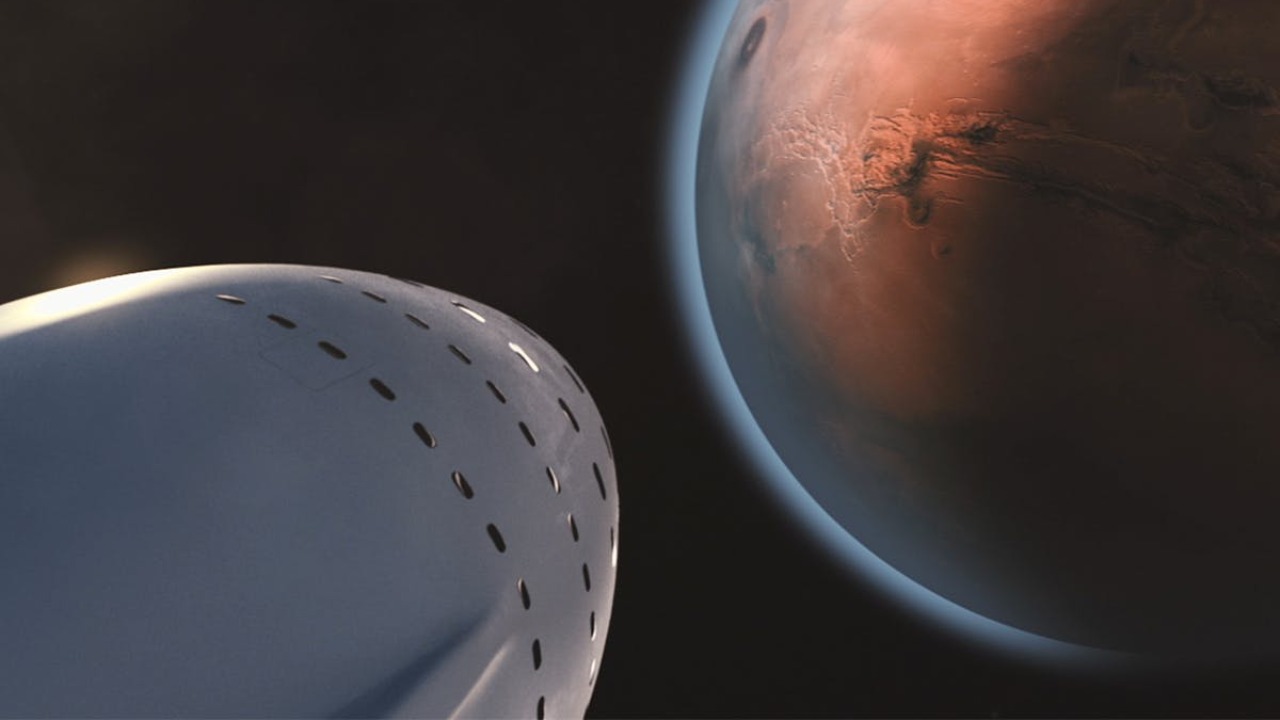
The Vision Behind Starship
Elon Musk’s dream of establishing a self-sustaining city on Mars is more than just a technological aspiration—it's a bold philosophical mission. He envisions a future where humanity becomes a multiplanetary species, ensuring the survival of our species against potential existential threats such as natural disasters or global conflicts. This vision extends beyond mere survival; it's about creating a new frontier for human civilization, promoting scientific discovery, and opening up economic opportunities.
Musk believes that by setting up a colony on Mars, we can expand our understanding of the universe and push the boundaries of what is possible. The idea of Mars as a "backup" for Earth is not only about safeguarding human life but also about embracing the spirit of exploration and adventure that has driven human progress throughout history.
The Role of Starship in Mars Colonization
Starship is at the heart of this ambitious plan. Designed as a fully reusable spacecraft, it aims to revolutionize interplanetary travel by making it more cost-effective and accessible. Unlike traditional spacecraft that are discarded after a single use, Starship can be relaunched multiple times, significantly reducing the per-mission cost. This reusability is key to achieving large-scale human and cargo transportation between Earth and Mars.
The capabilities of Starship are essential for the development of a sustainable colony on Mars. It is designed to carry up to 100 passengers along with necessary supplies, fuel, and equipment. This capacity makes it ideal for long-term missions, allowing for the establishment and maintenance of a human presence on the Red Planet.
Technological Innovations of Starship
Reusability and Cost Efficiency
The fully reusable design of Starship represents a major breakthrough in space travel. By minimizing the costs associated with each mission, SpaceX is making interplanetary travel more feasible. This approach contrasts sharply with earlier spacecraft like the Space Shuttle, which were only partially reusable and still incurred high maintenance costs. Starship’s innovative engineering and materials make it a game-changer in the quest for affordable space travel.
Advanced Propulsion Systems
One of the most significant advancements in Starship is the development of the Raptor engines. These engines use liquid methane and liquid oxygen, both of which could potentially be produced on Mars, enabling refueling and long-term sustainability. The high efficiency and thrust-to-weight ratio of the Raptor engines allow Starship to perform extended duration space travel and deep space missions.
These propulsion systems are crucial for overcoming the challenges of vast interplanetary distances. They provide the necessary thrust and flexibility for various mission profiles, making the dream of reaching Mars more achievable.
Challenges and Criticisms
Despite its promise, the path to Mars colonization is filled with technical and logistical hurdles. Landing on Mars requires precise navigation and control, while refueling and maintaining life on the planet pose additional challenges. Long-duration space travel also presents significant technical difficulties, including radiation exposure and psychological effects on astronauts.
Addressing these challenges requires innovative solutions and extensive research. Ongoing studies focus on creating a viable atmosphere and growing food on Mars, which are essential for sustaining life. Overcoming these hurdles is critical to realizing Musk’s vision of a human settlement on Mars.
Skepticism and ethical concerns also surround the project. Some question the feasibility of establishing a human settlement on Mars, citing the immense resources required. Ethical debates arise regarding the priorities of space exploration versus addressing pressing issues on Earth, such as poverty and climate change. These concerns highlight the need for careful consideration and balanced dialogue as humanity moves closer to interplanetary exploration.
Impact on Space Exploration and Beyond
Starship is reshaping the landscape of international space exploration efforts. Its development has sparked both collaboration and competition among space-faring nations and companies, driving innovation and investment in the sector. Countries like China and Russia are accelerating their own space programs in response, while partnerships with NASA and other agencies highlight the collaborative potential of space exploration.
The influence of Starship extends beyond SpaceX, inspiring a new era of space exploration where private companies play a pivotal role. This shift is redefining the dynamics of the space industry and encouraging a more global approach to exploring the cosmos.
Societal and Economic Implications
The potential economic benefits of a new space economy are substantial. The commercialization of space travel and the development of technologies for interplanetary missions could generate new industries and create jobs, boosting economic growth. As humanity expands beyond Earth, the possibilities for resource extraction and scientific research could unlock new opportunities for advancement.
The cultural impact of humanity’s expansion into space cannot be understated. It represents a new chapter in human history, inspiring generations to dream bigger and reach further. As we stand on the brink of becoming a multiplanetary species, the societal implications of such a transformation are profound, challenging us to reconsider our place in the universe.

Post a Comment for "The Truth Behind SpaceX's Starship for Mars Colonization"
Post a Comment