The Surprising Trick for the Crispest Salad Ever
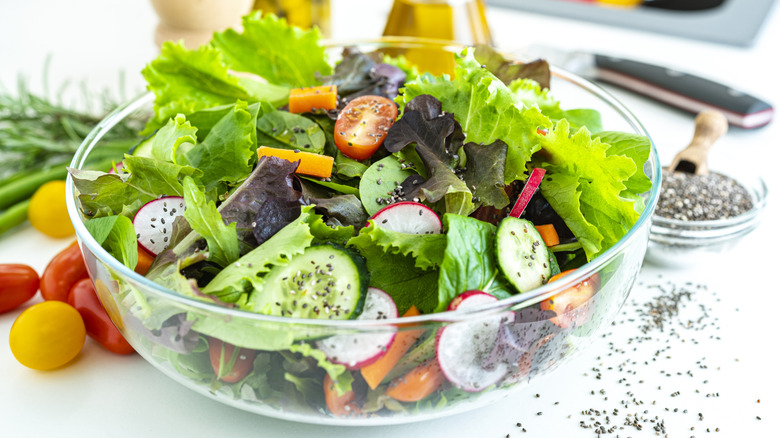
The Secret to Crisp Salads: A Time-Honored Technique
Have you ever wondered why restaurant salads always seem so crisp and refreshing, while your homemade versions often end up drooping and limp? The answer lies in a technique that has been around for thousands of years. It's not just about the ingredients or the dressing — it's about how you prepare them. The key is using ice water to revive your salad greens and vegetables, transforming them from soggy to spectacular.
This method is rooted in plant science and is more than just a simple trick. Submerging chopped ingredients in a bowl of ice water can dramatically improve their texture and freshness. If you're aiming for ultra-crunchy carrots, perky lettuce leaves, and celery that snaps like twigs, this technique is essential. Even pre-packaged salads can benefit from a quick chilling bath. Adding a splash of lemon juice to the water can enhance the effect, turning any wilted greens into fresh, crisp bites.
Understanding Turgor Pressure
At the heart of a vegetable’s crunch is a natural phenomenon called turgor pressure. This is the internal water pressure inside plant cells. When vegetables are freshly harvested, their cells are plump and taut, much like tiny water balloons. However, once you slice, peel, or let them sit out, moisture begins to escape, causing the cells to lose their firmness. That’s when your salad starts to go limp.
By plunging cut salad ingredients — especially root vegetables and tubers like radishes, carrots, and celery — into ice water, you help rehydrate those cells, restoring their natural pressure and firmness. This process revives the texture and gives your salad that desired crispness.
The Role of Pectin
Another important factor in achieving a crisp texture is pectin, a natural fiber found in the cell walls of plants. Pectin acts as a structural component, similar to mortar between bricks. In root vegetables and tubers, it helps maintain their shape and firmness. When exposed to cold temperatures, pectin firms up, adding even more snap and structure to your salad.
The reaction of pectin to cold is one reason why ice water does more than just keep your vegetables fresh. It actively tightens the cellular matrix, giving your produce that signature crisp texture. Combined with the effects of restored turgor pressure, this creates a perfect balance that turns ordinary ingredients into a crunchy delight.
The Science Behind Cold Water
The icy temperature plays a crucial role in preserving the quality of your vegetables. Cold water slows down enzymatic activity and prevents oxidation, which is the process that causes cut vegetables to brown and soften. Instead of drying out on your cutting board or in the fridge, your veggies absorb moisture while staying vibrant and firm.
The chilling effect encourages water to move into the cells via osmosis, reviving wilting produce and making it snappier with every passing minute. Just 15 to 30 minutes in an ice water bath can dramatically transform the texture of your salad. For added convenience, you can cut your vegetables ahead of time and let them chill right up until serving.
Tips for Maximum Crispness
To get the best results, make sure your ice water is cold enough and use a large bowl to allow the vegetables to be fully submerged. You can also add a few ice cubes to maintain the temperature. For extra flavor, consider adding a squeeze of lemon juice or a pinch of salt to the water. These small additions can enhance the overall taste and texture of your salad.
Whether you're preparing a simple green salad or a more elaborate dish, incorporating an ice water bath into your routine can make a world of difference. It's a simple, effective technique that brings new life to your vegetables and elevates your meals to the next level. So next time you're prepping a salad, don't skip the chill — your taste buds will thank you.

Post a Comment for "The Surprising Trick for the Crispest Salad Ever"
Post a Comment