The Spinners' 'Pick of the Litter' Celebrates 50 Years
The Origins and Evolution of Album-Oriented Romantic Soul
The emergence of album-oriented romantic soul can be traced back to May 1968, when the Delfonics released their groundbreaking song “La La Means I Love You.” This track was inspired by the earlier cooing ballad style of artists like Smokey Robinson, Marvin Gaye, Barbara Lynn, Baby Washington, and Little Anthony. The accompanying album marked the beginning of a new Philadelphia music movement characterized by vocals that conveyed genuine love, sincerity, and respect for one’s romantic partner. The rise of black-owned FM radio stations playing R&B helped propel the genre into the mainstream.
A Landmark Album in the Genre
Fast forward to the end of this timeline, one of the last landmark albums in the romantic soul genre before the rise of disco was the Spinners’ “Pick of the Litter,” released 50 years ago this month. This record became the vocal group’s highest-charting LP on the Billboard 200, peaking at No. 8, and it reached No. 2 on the soul album chart. The album’s single “They Just Can’t Stop It (Games People Play)” climbed to No. 5 on the Billboard Hot 100 and No. 1 on the soul chart.
Changing Demographics and Musical Shifts
The market was ripe for this kind of music. In the early 1970s, the rise of second-wave feminism and the increasing occupational gains by Black women created a new demographic for soul albums by male vocal groups. These albums leaned less on funk and bravado and more on passion, emotion, and tenderness.
Thom Bell: Architect of the “Philadelphia Sound”
Both the Delfonics’ first album in 1968 and the Spinners’ “Pick of the Litter” were produced by Thom Bell, one of the most influential and successful composers, arrangers, and orchestrators in the romantic soul genre. In 1975, he won a Producer of the Year Grammy for his work as an architect of the “Philadelphia Sound.” This style was known for its falsetto soul singing, intricate vocal harmonies, and lavish strings and brass arrangements.
The Spinners and Their Influential Sound
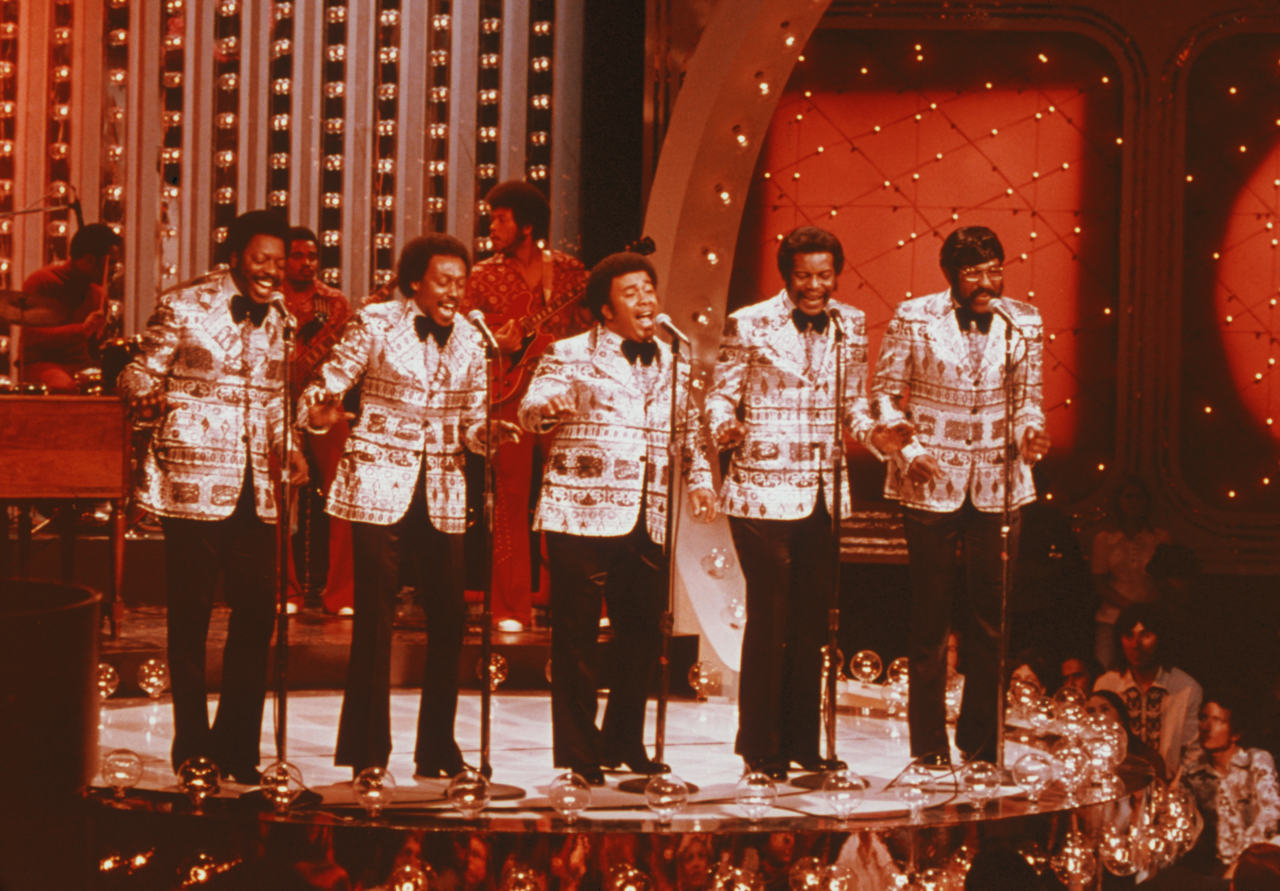
The Spinners consisted of vocalists Bobbie Smith, Philippé Wynne, Henry Fambrough, Pervis Jackson, and Billy Henderson. On “Pick of the Litter,” six house musicians at Philadelphia’s Sigma Sound Studios provided backing, along with horns, strings, and three female background singers. The LP, along with the Spinners’ previous studio albums, influenced a wide range of artists, including Barry White, Hall & Oates, the Doobie Brothers, the Eagles, and Elton John.
Key Tracks and Musical Elements
The opening track, “Honest I Do,” by Sherman Marshall, Phillip Pugh, and Thom Bell, functions as an album overture, setting the romantic-soul tone with lyrics such as, “Honest I do need love and you do too.”
Bell plays piano on the intro to his ballad “I Don’t Want to Lose You,” with Fambrough on lead vocal. Like many of Bell’s memorable arrangements, this one begins with a melodic verse, ascends dramatically to a transitional verse, and resolves in the chorus. Linda Creed’s lyrics focus on male commitment: “I don’t want to lose you, I couldn’t love you more, more / Tell me love will remain though we may change.”
The pace picks up with “Love or Leave,” where Smith’s lead vocal and the background singers create a gospel effect. Horns and strings add layers to the track. “Sweet Love of Mine” is a midtempo ballad by Vinnie Barrett and Bobby Eli, similar to their hits “Sideshow” for Blue Magic and “Love Won’t Let Me Wait” for Major Harris.
Exploring Themes of Love and Loss
Fuzz guitar, bass, and a guitar picking at a single note kick off “All That Glitters Ain’t Gold,” with Wynne on lead vocal and lyrics that draw a parallel between a mother’s aphorism and choosing a mate. The song has the feel of “The Rubberband Man,” which Bell and Creed would co-write for the Spinners in 1976.
“You Made a Promise to Me” is one of the LP’s two breakup ballads. The protagonist reflects on a failed relationship and his mate’s unwillingness to work at it: “Just like the bee, roses attract you / They lead you on your way / When flowers fade away.”
The High Point of the Album
“Games People Play”—by Bruce Hawes, Joseph B. Jefferson, and Charles Simmons—is the album’s high point. What makes it compelling is the way three singers share the lyrics at different points. Smith sings about arriving late for a date, finding she’s gone, and the need to escape the disappointment: “I gotta get away, gotta get away I don’t . . .” Backup singer Evette Benton picks up the lyric: “. . . know where to go / It’s hopeless so / I guess I’ll leave it alone.” Jackson jumps in as a co-narrator with a rich basso voice to fill in parts, starting with “12:45,” the time the late date heads home.
The song’s chorus is a huge release, featuring Bell’s soaring string orchestration, drummer Andrew Smith’s emphasis on the fourth beat, and all singing: “Games people play / Night or day they’re just not matchin’ / What they should do / Keeps me feelin’ blue.”
A Song of Hope and Unity
An oboe sets the mood on “Just as Long as We Have Love.” Fambrough sings lead and is soon joined on the duet by Dionne Warwick, who wasn’t credited on the album jacket. It’s a song of hope: “Baby, just as long as we have love, we’ll have it all.”
The Decline of the Genre
By the fall of 1975, album-oriented romantic soul had run its course. Relationship and commitment ballads quickly gave way to dance anthems that celebrated bachelorhood and one-night stands. “Pick of the Litter” would be one of the last old-school pleas for fidelity.

Post a Comment for "The Spinners' 'Pick of the Litter' Celebrates 50 Years"
Post a Comment